

OSCE Supports Stronger Governance for Female Labour Migration in Uzbekistan
When women return home from working abroad, they bring back far more than financial support - they bring new skills, unique perspectives, and untapped potential for Uzbekistan’s economy. But how can we ensure they have the right tools and support to thrive back home?
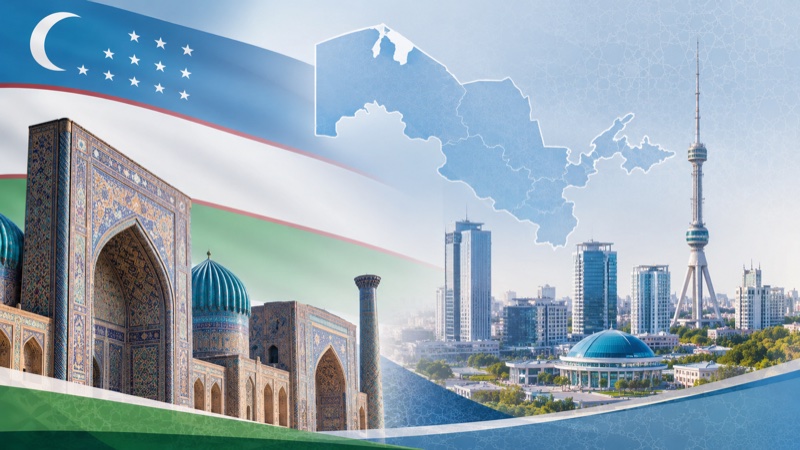
The Organization for Security and Co-operation in Europe (OSCE) is advocating for enhanced governance to support female labor migration in Uzbekistan.
Upon their return from working overseas, women bring back not only financial contributions but also new proficiencies, distinct viewpoints, and untapped potential that can benefit Uzbekistan's economy. The question remains how to ensure they possess the necessary tools and assistance to flourish upon their return.
To tackle these issues, the OSCE Project Co-ordinator in Uzbekistan, in collaboration with the Committee of Family and Women and national entities involved in labor migration governance, organized a seminar in Tashkent. The event aimed to discuss the experiences of female labor migrants, pinpoint ongoing challenges, and explore practical strategies to bolster their economic reintegration.
While migration presents transformative opportunities, women often encounter specific difficulties, ranging from navigating local job markets to accessing financial resources upon their return.
The discussions drew upon data and insights gathered throughout the project, as well as the practical expertise of government bodies and international organizations dedicated to assisting female labor migrants and returnees.
Umida Abdullaeva, First Deputy Chairperson of the Committee on Family and Women of the Republic of Uzbekistan, stated, "Extensive efforts are underway in Uzbekistan to support migrant families and provide them with diverse assistance. In partnership with the OSCE Project Co-ordinator in Uzbekistan, we are implementing a cascade training program focused on the economic reintegration of returning women. We will train trainers who will help them acquire in-demand professions, IT skills, and financial literacy."
The seminar served as a collaborative forum, uniting government institutions and international organizations to share experiences, discuss current obstacles, and identify practical, gender-sensitive approaches to improve labor migration governance and facilitate women's economic reintegration.
Ambassador Antti Karttunen, OSCE Project Co-ordinator in Uzbekistan, emphasized the critical role of multi-stakeholder collaboration in developing secure, inclusive, and empowering migration frameworks:
"Effective and gender-responsive labor migration governance is about creating opportunities for women to return home with confidence, apply the skills and experience they have gained abroad, and contribute fully to Uzbekistan's economic and social development."
The event also featured a high-level panel discussion with representatives from the OSCE PCUz, the Committee of Family and Women, the Migration Agency, the Ministry of Employment and Poverty Reduction, and IOM. The discussion focused on strengthening institutional cooperation and enhancing support services for female labor migrants throughout the entire migration cycle.
This seminar is part of the OSCE Project Co-ordinator in Uzbekistan's two-year initiative, "Promoting Effective Female Labour Migration Governance and Economic Empowerment of Women Returnees." The project assists national partners in reinforcing gender-responsive labor migration governance, improving institutional cooperation, and expanding opportunities for the sustainable economic reintegration of returning women. Funding for the project is provided by Germany, Norway, Türkiye, and the Republic of Korea.