

Kazakhstan VAT Refund for Grain Trade Awaits Parliament Vote
Kazakhstan expects Uzbekistan to restore VAT refunds for grain traders, but the final decision depends on approval by the country's newly elected parliament.
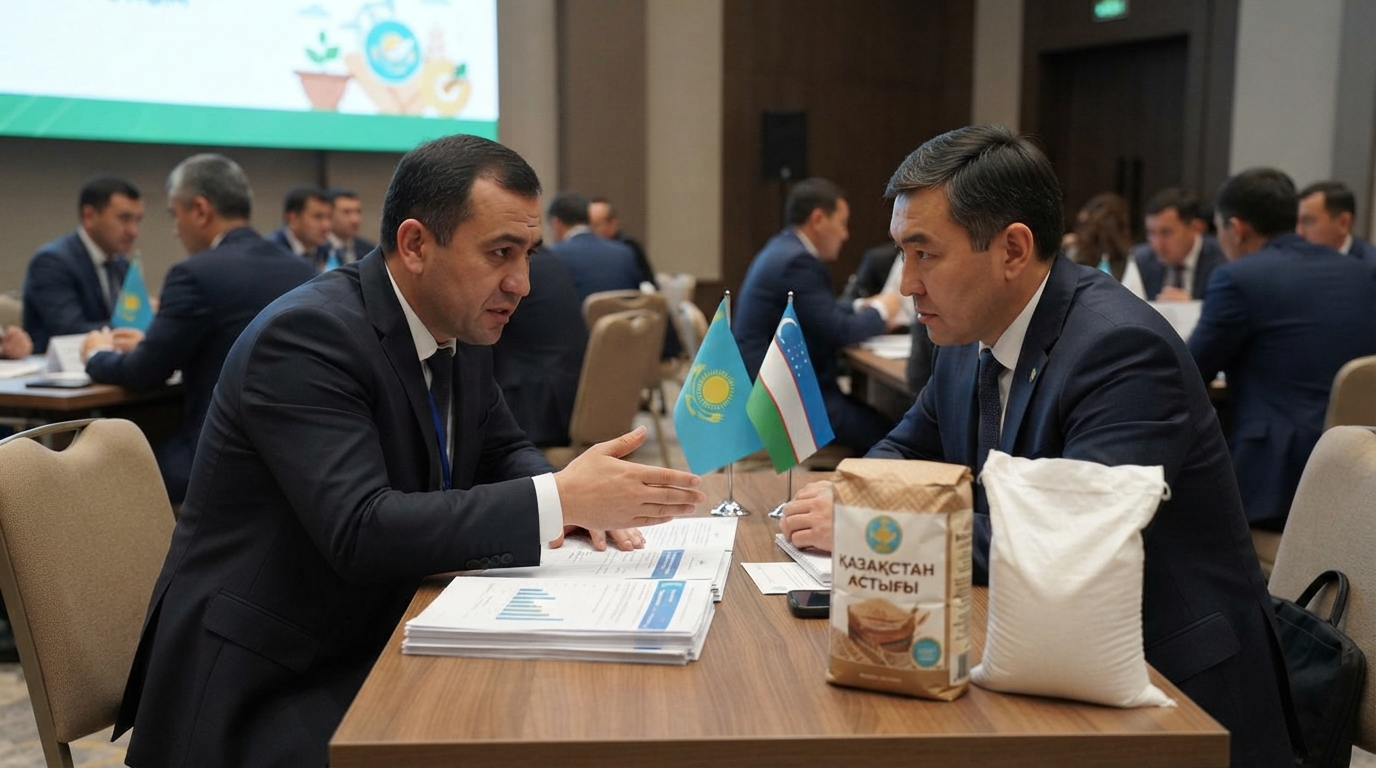
**Kazakhstan's VAT Refund for Grain Trade Awaits Parliamentary Approval**
**Tashkent, Uzbekistan (UzDaily.uz)** – At the Uzbekistan-Kazakhstan Business Forum in Tashkent, representatives from the grain and flour sectors of both Uzbekistan and Kazakhstan voiced concerns regarding a reduction in VAT refunds for Uzbek traders importing Kazakh grain. Additionally, the issue of counterfeit flour, marketed under Kazakh brands in Uzbekistan and Afghanistan, was brought to light.
Uzbekistan annually imports approximately 4 million tonnes of grain from Kazakhstan. One Uzbek entrepreneur in the sector stated that his company and its partner alone import about 1 million tonnes each year.
Since March of this year, traders exporting grain to Uzbekistan have experienced a fivefold decrease in VAT refunds, dropping from 100% to 20%.
An Uzbek ministry official, responsible for the financial portfolio, confirmed that this matter had been discussed with their Kazakh counterparts. He stated, "Many entrepreneurs from Kazakhstan have raised this issue with us. We discussed it within the Ministry of Agriculture and with members of parliament. We also presented it to Deputy Prime Minister Serik Zhumangarin. As a result, a decision has been made to return to the mechanism that was in place last year before these changes."
According to the official, authorities are currently developing the legal language for this mechanism, including whether it will be applied retroactively to the current year. The final decision rests with parliament. He added, "A new parliament is currently being elected, and the final decision will be taken there. So we need to wait a little longer. The government's position is generally to return to the previous mechanism, but the details have not yet been finalised."
Kanat Sharlapayev, Chairman of the Presidium of Kazakhstan's National Chamber of Entrepreneurs Atameken, provided a summary of the situation. He noted, "The Ministry of Economy, the tax authorities and the Ministry of Agriculture have officially agreed to restore the previous mechanism. We now need members of parliament to vote for it, and that is expected to happen in September. From my experience, if three government bodies have reached agreement and the National Chamber supports it, the chances of approval are high."
Kazakhstan, according to its own figures, ranks sixth or seventh globally in grain exports and second in flour exports. The country's wheat processing capacity is estimated at around 11 million tonnes, with 4-5 million tonnes currently being processed. Kazakhstan has approximately 200-300 flour mills, producing up to 4 million tonnes of flour annually, with half supplied to the domestic market and half exported.
Participants also raised concerns about the sale of counterfeit flour in Uzbekistan and Afghanistan, which is being sold under the brands of Kazakh producers. An industry representative indicated that the persistent problem of counterfeit flour products, marketed under Kazakh brands in Uzbekistan and Afghanistan, necessitates further action, including enhanced border controls in both Uzbekistan and Afghanistan.
The discussion concluded that flour is frequently repackaged within Uzbekistan under Kazakh branding before being shipped to Afghanistan. Afghan traders reportedly request Kazakh packaging due to its market reputation. Participants observed that the quality of these repackaged products may differ from the original, posing reputational risks for Kazakh manufacturers among end consumers.
To conclude the discussion, both parties agreed to designate responsible representatives for the flour milling sector to continue addressing issues related to pricing, quotas, and brand protection.