

Buy Now Pay Later rules to bring refunds and rejections
Consumers should be better protected as Buy Now Pay Later lenders now require authorisation to operate.
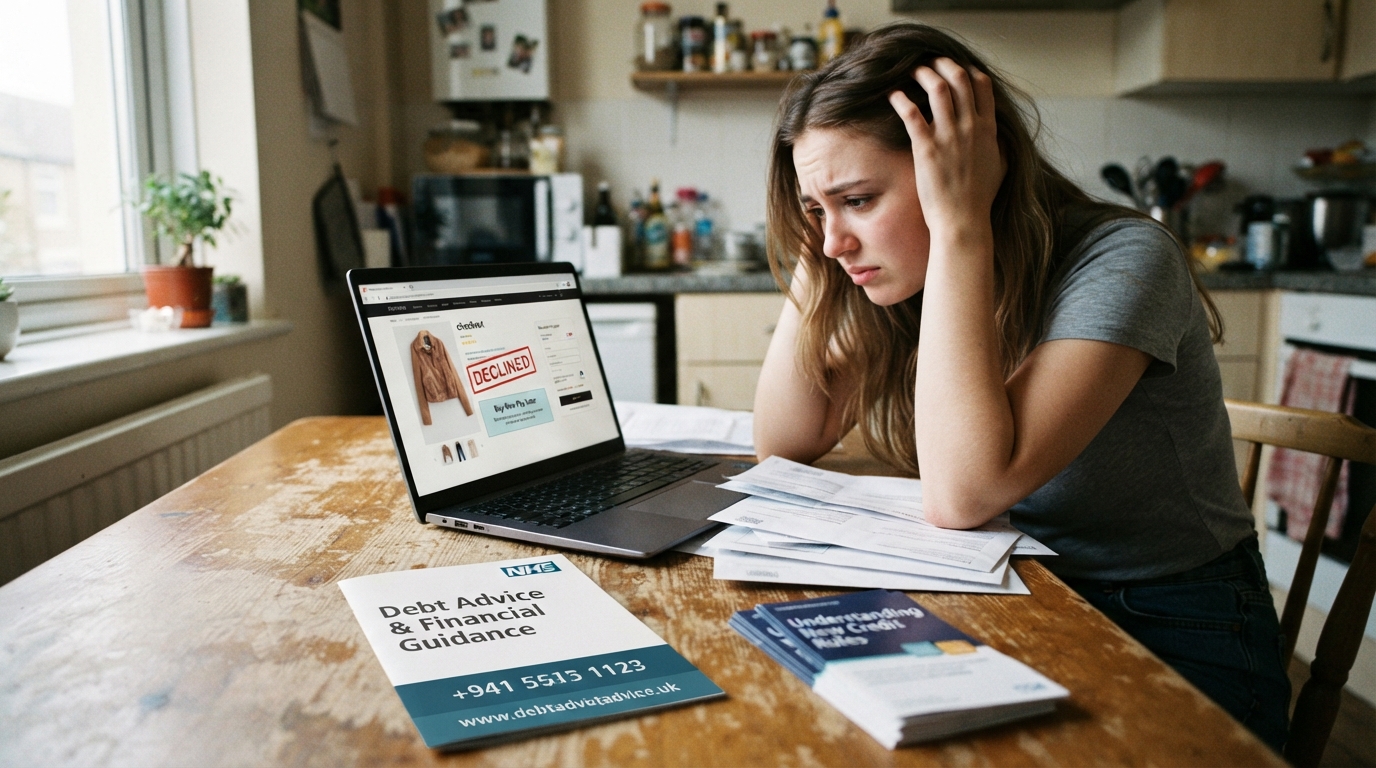
New Buy Now Pay Later Regulations to Introduce Refunds and Loan Denials
Consumers utilizing Buy Now Pay Later (BNPL) services will benefit from enhanced rights, although some may face loan rejections as new regulations take effect.
Starting Wednesday, BNPL lenders are required to obtain approval from regulators to operate, which will provide shoppers with improved access to refunds and independent resolutions for unresolved complaints if issues arise.
Companies like Klarna and Clearpay have emerged as major players in the market, enabling consumers to make interest-free payments in installments. However, advocates have frequently labeled the broader sector as an unregulated "Wild West."
Concerns have been raised that new affordability assessments for each BNPL transaction may result in some individuals being denied access for the first time, potentially driving them towards predatory loan sharks.
"While regulation is certainly necessary and welcomed, our recent study indicated that nearly half of those likely to be denied have not missed a BNPL payment," stated Kate Pender, CEO of the non-profit Fair4All Finance, which advocates for fair and accessible financial services.
"The need for credit does not simply vanish when it becomes inaccessible, and individuals are often forced to seek out more expensive or unregulated options."
Only lenders authorized by the Financial Conduct Authority (FCA) will now be permitted to provide BNPL services, aligning them more closely with credit card issuers and banks that offer loans.
This change also entails:
- Customers can now escalate unresolved complaints regarding BNPL services to the Financial Ombudsman Service (FOS) for independent review, with the FOS anticipating around 2,000 cases by the end of March.
- Consumers can request refunds and compensation for faulty goods over £100 from the BNPL provider (known as section 75), similar to protections already available for credit card purchases.
- Shoppers must successfully complete an instant and automatic assessment to demonstrate they can repay the loan; otherwise, the BNPL purchase will be blocked.
- Borrowers will receive clear upfront information about the loan, including the consequences of missed payments, and will be directed to free debt advice if they encounter financial difficulties.
Regulators assert that stricter oversight will help prevent individuals from making impulsive purchases that they cannot afford, accumulating excessive debt, and facing late payment fees.
However, Pender estimated that between 10% and 30% of BNPL users could fail "conservative" affordability checks, which are determined by each lender, potentially leaving many unable to purchase essential items.
Loan sharks would be "thrilled at the prospect," she remarked to BBC News, particularly affecting younger individuals or those with previous repayment issues who are more likely to be denied.
BNPL has gained significant popularity among 18 to 24-year-olds, although it is widely used across all age demographics.
Numerous debt charities have welcomed the new regulations, which they claim have been long overdue. They continue to advise consumers to pause and reflect before making purchases through BNPL, considering whether they would have bought the items without the option of credit.
They also highlight that some retailers' proprietary BNPL offerings will not be subject to the new regulations.
The advice service Money Wellness reported that its data indicates consumers are increasingly spreading smaller purchases across multiple BNPL agreements rather than using the service for occasional high-value items.
"Our concern isn't with Buy Now Pay Later itself, but rather what can occur when individuals begin to rely on multiple forms of credit just to make ends meet," said Matthew Sheeran, the external relations manager.
Tim Riesner shared his experience of falling into financial trouble after taking out various loans, including BNPL, when his circumstances changed.
"It didn't feel like debt; it felt convenient. You're shopping online, and it offers 'split it, pay later.' You think you're being responsible. But you can end up with multiple plans at once," he explained.
"Before you know it, it's thousands. Add in loans, credit cards, and bits of finance here and there, and suddenly I owed £24,000."
His financial situation deteriorated after he had to leave a well-paying construction job due to vision problems.
"Nobody should feel sorry for me. I'm an adult. I knew what I was doing. The responsibility is mine. However, advertising is very enticing. It pulls you in because our society promotes the idea that you can have it all right now," he told the BBC.
After a challenging period, he reached out to the charity Business Debtline, where staff assisted him in organizing his debts and obtaining a Debt Relief Order, and he is now on the path to becoming debt-free.
Jack Sporcic, a debt adviser at National Debtline, emphasized, "We urge consumers to treat Buy Now Pay Later just like any other form of borrowing.
"We frequently see individuals using Buy Now Pay Later for everyday necessities such as food, energy bills, and household essentials."
As mortgage debts rise, many remain unaware of the assistance available.
One million additional UK homeowners are expected to