

Belgium says a Canadian intern is suspected of spying at Nato. Here's what we know
The suspect was working as an intern in Nato's Supreme Headquarters Allied Powers (Shape) Europe in Mons, Belgium.
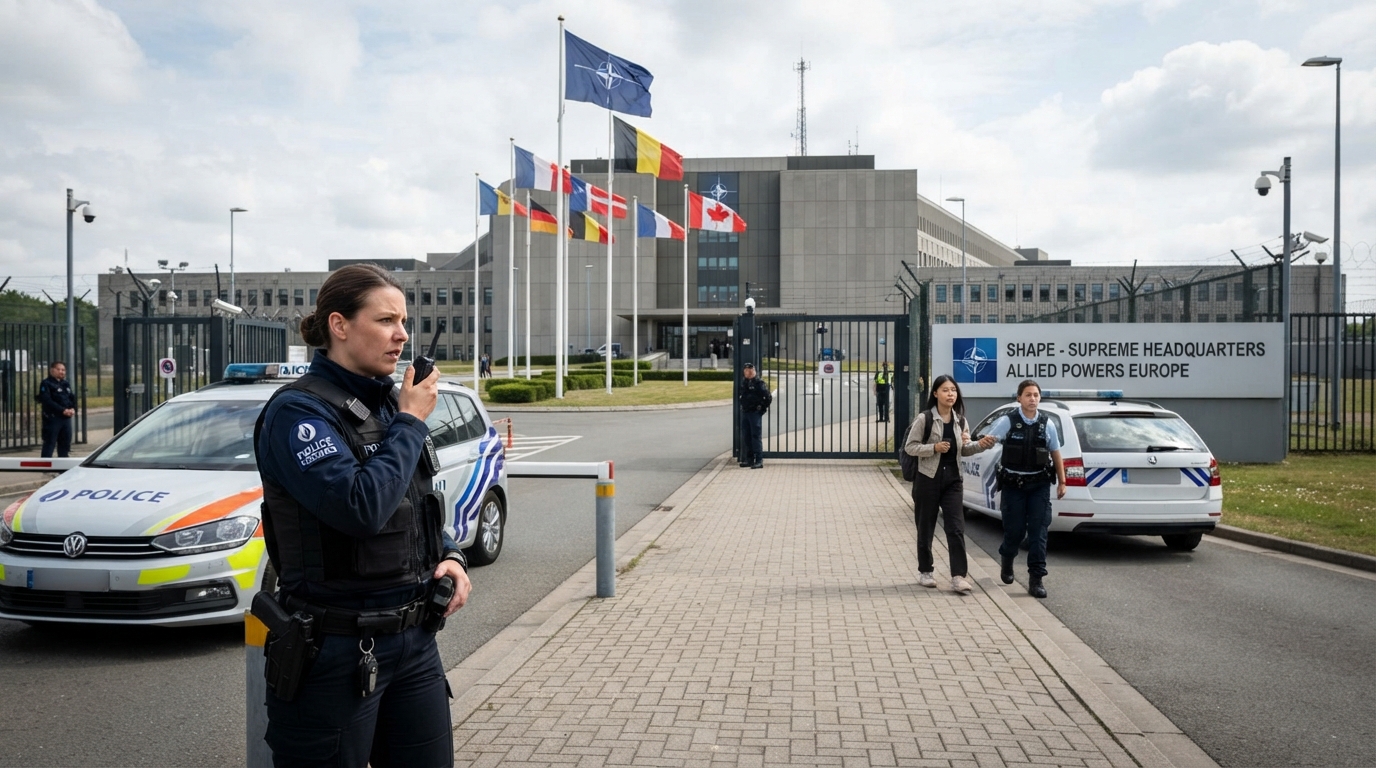
A Canadian intern is suspected of espionage at NATO, according to Belgian authorities. The individual, identified as a Canadian woman of Chinese descent, was apprehended for allegedly spying while interning at NATO's Supreme Headquarters Allied Powers (Shape) Europe in Mons, Belgium.
Belgium's Federal Prosecutor's Office initiated an investigation after receiving a tip from NATO security services. This led to searches of the suspect's residence and workplace within the NATO headquarters.
In a statement released Saturday, the prosecutor's office confirmed, "She is suspected of spying on behalf of a third country and of being a member of a criminal organization."
While officials have not yet publicly identified the woman, reports indicate her behavior, such as lingering near NATO buildings and asking unusual questions, raised concerns. The Belgian Prosecutor's Office informed Euronews that the suspect has been ordered into one-month pretrial custody.
The woman was an intern at Shape, the central military headquarters for NATO's Allied Command Operations, which is responsible for planning and executing all operations for the military alliance. Both Canada and Belgium are members of NATO. The BBC has reached out to Shape for comment.
The specific "third country" for which the suspect was allegedly spying has not yet been disclosed by officials.
According to Shape's website, the host country of an intern is responsible for their security clearance, which in this instance would be Canada. The BBC has contacted Canadian police for comment. The Shape website notes that the time required for security clearance varies by NATO member state, ranging from eight weeks to 18 months, with the vetting process commencing once an intern is selected.
A spokesperson for Global Affairs Canada confirmed to Canadian news outlets that the Canadian government makes decisions regarding security clearances for Canadians working in international organizations based on "security assessments provided by CSIS," the Canadian Security Intelligence Service.
A NATO spokesperson informed US media that the alliance "remains fully committed to protecting Allied personnel, safeguarding classified information, and maintaining the trust and security upon which the Alliance depends."
The Royal Canadian Mounted Police stated they are assisting Belgian law enforcement partners but declined further comment.
During a news conference this week, Canada's Minister of Public Safety, Gary Anandasangaree, stated that the country "will continue to investigate the processes we have and the security screening." He added, "In this particular case, I think it's important to get to the bottom of what happened."