

Why we bought our first home with a 100% mortgage - despite the risks
The share of UK mortgages with smaller deposits is the highest it's been since 2008. The BBC spoke to borrowers about how they manage the risks.
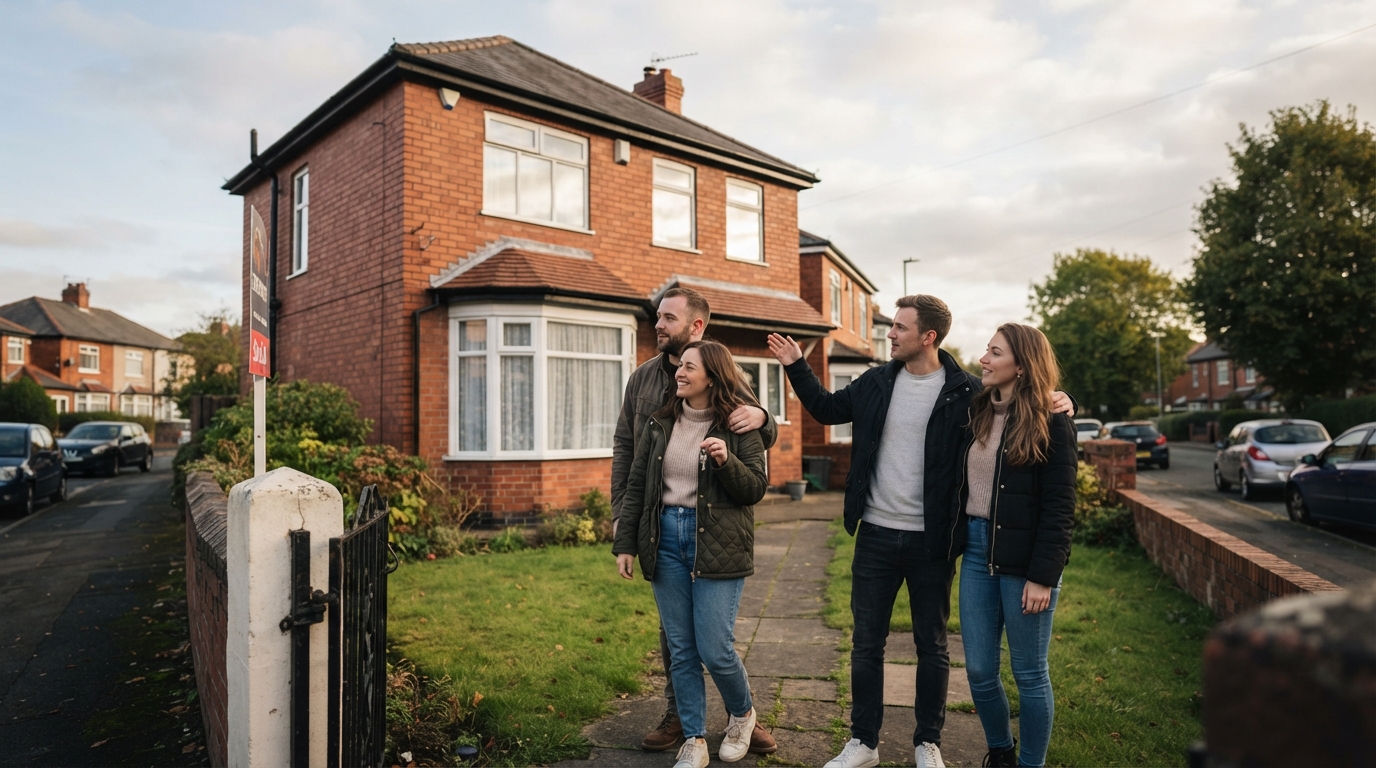
Why we bought our first home with a 100% mortgage - despite the risks
The couple know the dangers that come with their no-deposit mortgage
Until last year, Conroy, 32, and his partner Amber, 28, saw little chance of buying a home of their own. They were renting in central Manchester, where they both work, and could not manage to save for a deposit.
Then they found a relatively niche, and in some experts’ view riskier, kind of mortgage that provided an answer.
Skipton Building Society’s Track Record mortgage covers 100% of a property’s value, meaning the borrower pays nothing upfront.
Applicants have to pass strict eligibility checks and accept a higher interest rate - in Conroy and Amber’s case 5.33% fixed for five years - but they were willing to do that. In August, they bought a four-bedroom house for £242,000 in Swinton, on the outskirts of Manchester.
"I don't think it's dawned on us it's really ours," says Conroy, a video editor.
According to the Bank of England, the proportion of UK mortgages with deposits worth less than 10% of the property’s value is now at its highest level since 2008.
The average deposit for first-time buyers is currently about 20%.
This comes as lenders including Lloyds, Santander, Skipton and Yorkshire Building Society have introduced a wave of new mortgage products over the past few years covering more than 95% of a property’s value, and in some cases as much as 100%.
They say they want to help first-time buyers get onto the housing ladder as property prices keep rising and saving for a deposit remains difficult.
But these loans usually come with higher rates, are not available for every type of property or borrower, and carry risks customers should understand.
Conroy and Amber had expected to be renting for the foreseeable future.
Conroy and Amber, a solicitor, have a 25-year loan with monthly repayments of £1,500 - about what they were paying in rent.
He says they are comfortable with the higher cost because they "earn quite well" and expect their salaries to increase.
But he knows there is a bigger risk of ending up in negative equity with a no- or low-deposit mortgage. That happens when the value of a property drops below the amount still owed on the loan - leaving the borrower with potentially painful costs if they suddenly need to sell.
Conroy says they intend to overpay their mortgage during the first five years to build more equity in their home.
"There is always the element of a gamble with the property market," he says.
"But I have researched the area we moved to and don't think house prices are going to drop."
Twenty-seven-year-old Bronya and her partner George, 29, also used a low-deposit mortgage to buy their four-bedroom house in Rhuddlan, North Wales, in August.
Lloyds lent them £258,000 - roughly 98% of the property’s value - over a 33-year term, and they only needed to put down £5,000 as a deposit.
The couple pay 5.89% interest, fixed for five years, which works out at monthly repayments of £1,400 - around the same as what they paid to rent a one-bed flat before.
Bronya, a civil servant, says they could have paid a larger deposit but wanted to keep their savings for a renovation project costing more than £20,000.
They understand the risks of negative equity but believe the refurbishment will increase the value of their home.
"We also plan to stay here our whole lives," George adds, saying they are ready to ride out any falls in the property market.
The widespread use of low-deposit mortgages by borrowers who could not afford them was seen as a major contributor to the 2008 global financial crisis.
But today’s deals have much tougher affordability checks and do not create the same risks, says David Hollingworth, associate director at brokers L&C Mortgages.
Borrowers taking Skipton’s zero-deposit mortgage, for instance, must show they have kept up with their rent for at least 12 consecutive months and credit payments for the past six months.
And Lloyds will not offer one of its £5,000 deposit mortgages for new-build properties and shared ownership homes.
Hollingworth says lenders are recognising that some people have "good affordability but may be struggling to save for a deposit while paying a rent and dealing with cost of living pressures".
After a recent rule change, he adds, lenders are also allowing more "flex" on how much someone can borrow, as long as it is affordable.
Even so, he advises borrowers to use common sense.
"Think carefully - what do monthly payments look like? Are you aware that interest rates could go up?"