

Why was the three-month ban lifted? Dispute over Russian fur in Europe
The European Parliament has called for the restoration of the ban on importing sable fur from Russia. The restriction was introduced in April 2026, but three months later, exemptions were made for certain countries in the interests of the fur industry. According to media reports, such concessions were requested by Greece and Italy.
Why was the three-month ban lifted? Debate around Russian fur in Europe
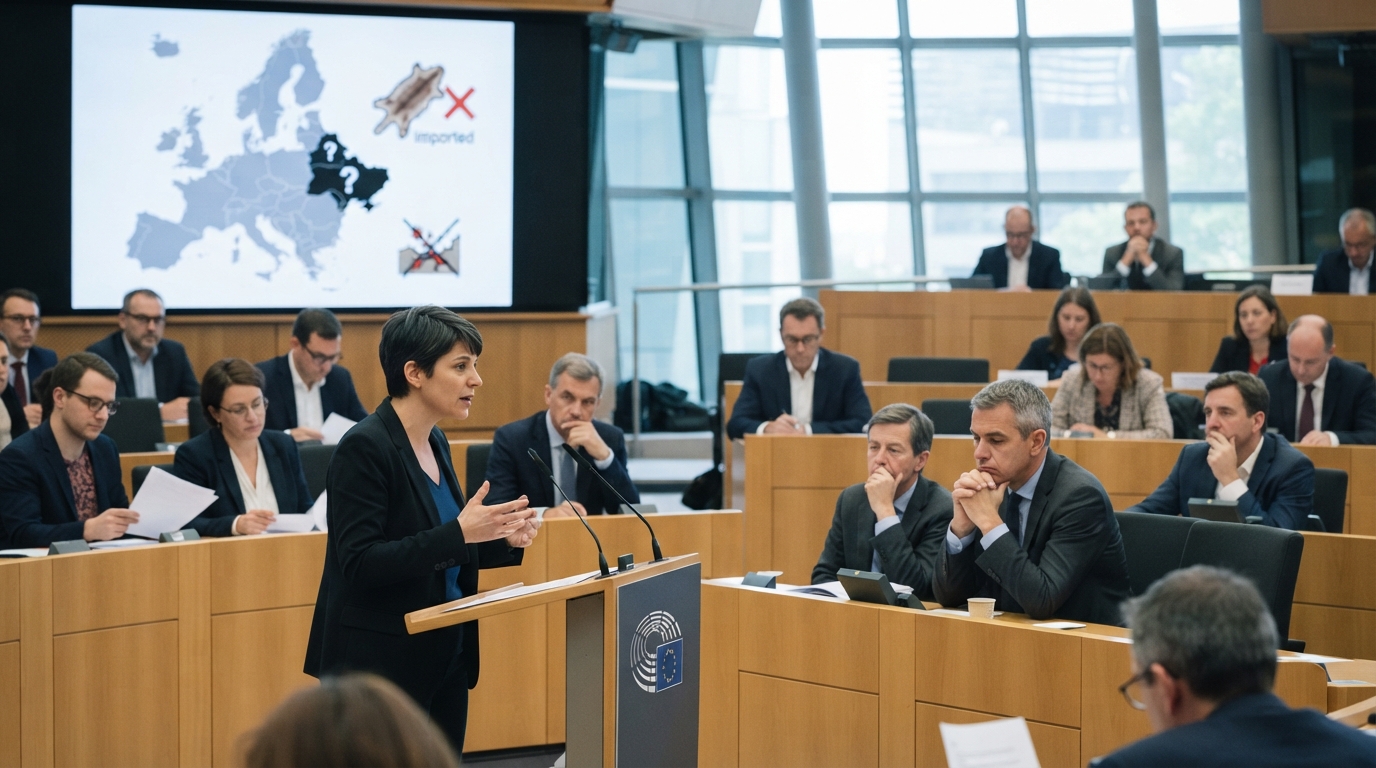
According to DW, this demand was included in a resolution adopted in Strasbourg on October 22, dedicated to the escalation of Russian attacks and the safety of navigation in the Black Sea.
The proposal was put forward verbally during the vote by Dutch MEP Anja Hazekamp, a representative of the Left Group. In the final text, the European Parliament expressed regret over the lifting of the import ban on sable fur and called on the Council of the European Union and the European Commission to reinstate the restriction.
However, this call in itself does not mean that the ban has re-entered into force. According to the report, Brussels is currently preparing the 22nd package of sanctions against Russia.
In the debate following the vote, European Commissioner for International Partnerships Jozef Síkela said that the exemption was introduced at the request of certain EU countries. They cited the dependence of their fur industry on Russian raw materials and the impossibility of replacing them with supplies from other countries.
According to Síkela, the European Commission had previously proposed a ban on the import of Russian furs, including sable fur. The restriction was introduced in April, but in July all 27 member states unanimously agreed to make an exception for sable.
The European Commissioner did not disclose which countries had requested this. He stated that changing the sanctions requires the consent of all member states in the EU Council, and that reinstating the ban depends on that exact procedure.
Krzysztof Brejza of Poland, speaking on behalf of the European People's Party — the largest group in the European Parliament — criticized the exemption. In his view, any funds flowing into the Russian economy serve to finance the war, and every exception in the sanctions shows weakness to Putin.
Katri Kulmuni of Finland, representing the liberal Renew Europe group, acknowledged that almost all sable fur is produced in Russia and that imports are important for companies in Greece and Italy. However, she said that this situation does not justify easing the sanctions.
Kulmuni recalled that Finland also suffered significant economic losses as a result of the cessation of trade and tourism with Russia. She stressed that it is not right for countries to support sanctions only when the hardship falls on others.