

Why Tesla has been caught up in a massive car recall in China
The country's biggest ever car recall affects more than four million vehicles made by Tesla, XPeng, Xiaomi and other firms.
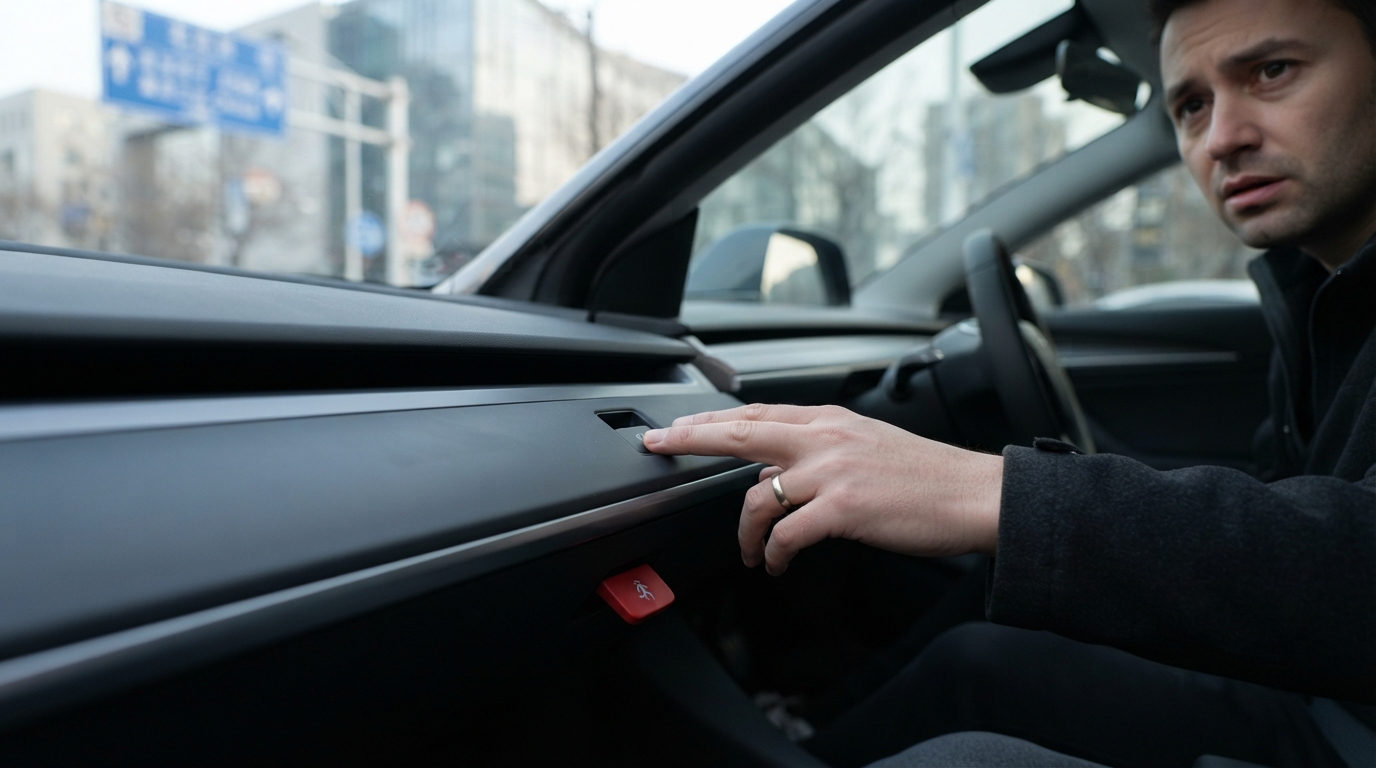
Tesla's popularization of hidden door handles has led to a massive car recall in China, impacting over four million vehicles, predominantly Teslas. This recall precedes new Chinese regulations mandating mechanical door releases on both the interior and exterior of car doors.
Hidden door handles, a common feature on electric vehicles (EVs) for their sleek aesthetic and reduced wind drag, have drawn scrutiny due to concerns about emergency egress. Stephen Dyer, a car industry analyst at AlixPartners, noted that while the design is minimalist, it can be confusing, even for him.
Beyond usability, these handles have been linked to safety issues. Nanyang Technological University associate professor Lyu Chen highlighted that electronically powered door handles, while a trend, pose "real safety concerns" when they fail to open promptly, hindering rescue efforts post-accident.
Chinese automaker Xiaomi faced intense examination after two fatal 2025 crashes involving its SU7 model, where alleged electrical failures reportedly trapped occupants. One incident in Tongling city, eastern China, resulted in three deaths. Victims' relatives claimed the doors could not be unlocked after the collision. Xiaomi stated at the time that the SU7 had mechanical emergency release handles, even without power, and was investigating. Newer SU7 models now feature door handles operable without power.
Tesla has also encountered lawsuits in the US concerning its door handle designs. In a 2024 Cybertruck crash in California that killed three college students, survivor Jordan Miller alleged that the vehicle's design trapped passengers, impeding rescue. His lawyers from The Veen Firm stated that the electronic buttons meant to open the doors failed. Tesla, in court filings, denied wrongdoing, asserting the Cybertruck met US federal safety standards. Other US cases have also reported passengers, including children, being trapped in Teslas due to door malfunctions.
China announced in February that it would ban hidden door handles, effective January 1, 2027, making it the first country to do so. New car designs without physical release mechanisms on both the inside and outside of doors will be prohibited, and car interiors must include instructions on how to open the doors. Dyer noted that China's proactive stance on these regulations, ahead of the US and EU, is likely due to its high number of EVs.
On August 21, China's State Administration for Market Regulation (SAMR) announced the recall of over four million vehicles from Tesla and major Chinese automakers like Xiaomi, XPeng, and Geely. Manufacturers were ordered to add warning labels inside doors and, for some cars, implement a software update to lower windows in a crash.
Tesla is recalling nearly three million cars, with SAMR citing that their door handles are "difficult to identify" due to their similar color to the interior trim. SAMR added that in an electrical failure, the design could prevent quick escape or "hinder rescue efforts." Xiaomi, XPeng, and Geely are recalling over 750,000 vehicles combined.
Some engineers believe these measures may not fully address safety concerns. Lim Hong Wee, an engineering instructor at the National University of Singapore, argued that the measures don't provide a mechanical way to open doors, and emergency access shouldn't rely on software. Gokul Krithivasan from SecureSafe, a risk management consultancy, added that warning labels are a "weak remedy" as panicked individuals may not read them.
It remains uncertain if similar recalls will occur outside China. The BBC understands that automakers have not yet informed US authorities of such plans. The US National Highway Traffic Safety Administration is reviewing whether to mandate emergency door-exit systems. European regulators have also identified potential hazards with hidden handles and are drafting standards to ensure functionality even without power.
Lyu Chen believes that while concealed door handles are still common in EV designs, manufacturers and regulators are increasingly focusing on door design safety. He anticipates that China's safety requirements may be adopted globally, emphasizing the principle that "emergency entry and exit should remain possible even after a loss of electrical power."