

What to know before your first trip to Egypt
Tashkent Times is an English language online-newspaper that brings all latest Uzbekistan news
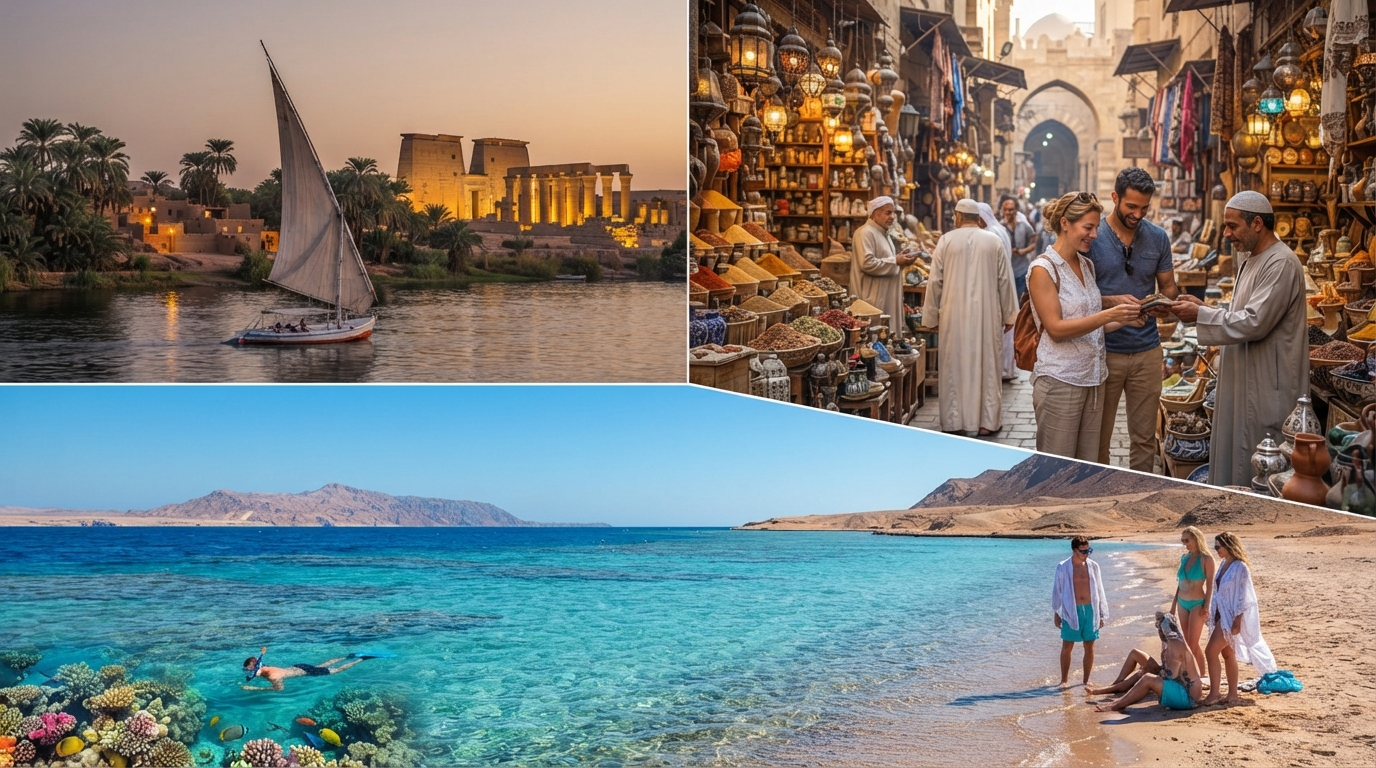
Before embarking on your initial journey to Egypt, it's helpful to understand what awaits beyond the iconic Giza pyramids, often depicted with a camel in the foreground. While this image is accurate and the Great Pyramid is indeed awe-inspiring, it represents only a fraction of Egypt's diverse offerings. The country boasts southern temples, Red Sea reefs, and tranquil Nile River cruises, presenting a richer experience than a single postcard suggests. For those just beginning to plan their Egyptian vacations, gaining insight beforehand is beneficial.
Egypt rewards thorough preparation. It's not a destination for spontaneous, unplanned exploration, at least not comfortably. The distances between attractions are considerable, the heat is intense for much of the year, and key sights are dispersed nationwide rather than concentrated in a single, walkable area. This shouldn't deter you; rather, it highlights that a smooth trip versus a frustrating one often hinges on decisions made weeks in advance.
Weather significantly influences travel planning. Upper Egypt, home to Luxor and Aswan, experiences brutal summer heat. Visiting Karnak at midday in July is an experience most travelers wouldn't repeat. The period between October and April is generally preferred, offering manageable daytime temperatures and pleasant evenings. However, this popularity means larger crowds and higher prices during these months.
For those with flexible schedules, the shoulder weeks in late October or early March often strike the best balance. The weather remains favorable, sites are busy but not overwhelmingly so, and hotel rates haven't yet reached their peak. It's also wise to consider Ramadan when setting dates. Traveling during this time is entirely feasible, and the atmosphere can be charming, but opening hours may shift, and some restaurants operate on a reduced schedule during daylight hours.
Reaching Egypt is generally straightforward from most parts of the world, though specifics vary by origin. Travelers from Southeast Asia, for example, often connect through the Gulf, which adds a layover but helps keep fares reasonable. If departing from Kuala Lumpur, comparing a bundled Egypt tour package from Malaysia against booking individual components is a worthwhile exercise. Packages frequently combine flights, internal transfers, hotels, and guided excursions into a single price, simplifying the process of arranging domestic flights to Luxor and Nile cruises independently.
Visa procedures are simple for most nationalities. Many visitors can obtain an e-visa online before departure or a visa upon arrival at the airport. However, it's prudent to verify current regulations for your specific passport rather than relying on outdated online forum posts. Carrying small bills for tips is advisable, as tipping is a customary and expected part of daily life, from baggage handlers to tomb guides.
Many first-time visitors tend to overschedule. It's tempting to try and fit Cairo, Luxor, Aswan, Abu Simbel, and a week on the Red Sea into a ten-day itinerary. While technically possible, this approach often results in significant transit time and returning home more exhausted than when you left. A more effective strategy is to define the trip's focus and forgo less critical elements.
A classic itinerary typically involves a few days in Cairo combined with a Nile cruise between Luxor and Aswan, covering the majority of ancient sites without constant repacking. If diving or beach time is a priority, consider adding Hurghada or Dahab as a distinct segment rather than a brief side trip. Travelers seeking an itinerary tailored to their own pace, rather than a fixed group schedule, often explore Egypt Tailor-Made Tours. These allow for flexibility in how long to spend at each stop and when to incorporate leisurely mornings, which is particularly useful when you might desire extra time at a temple or an early night after a long travel day.
Dress respectfully, especially outside resort areas. While full coverage isn't necessary, light clothing that covers shoulders and knees will enhance comfort and minimize unwanted attention. Carry more water than you anticipate needing; the dry air can lead to faster dehydration than you realize, with headaches often being the first symptom, mistakenly attributed to heat.
Expect to haggle in markets, and anticipate initial prices to be optimistic. This is not personal; a friendly negotiation is an integral part of the transaction. Finally, allow yourself to slow down. While the sights are extraordinary, some of the most cherished memories often come from simple moments, like enjoying mint tea on a rooftop at dusk or engaging in conversation with a boat captain who has navigated the Nile for three decades. Egypt generously rewards travelers who build a little flexibility into their schedule.