

What should you pay attention to in your diet for the heart to function well?
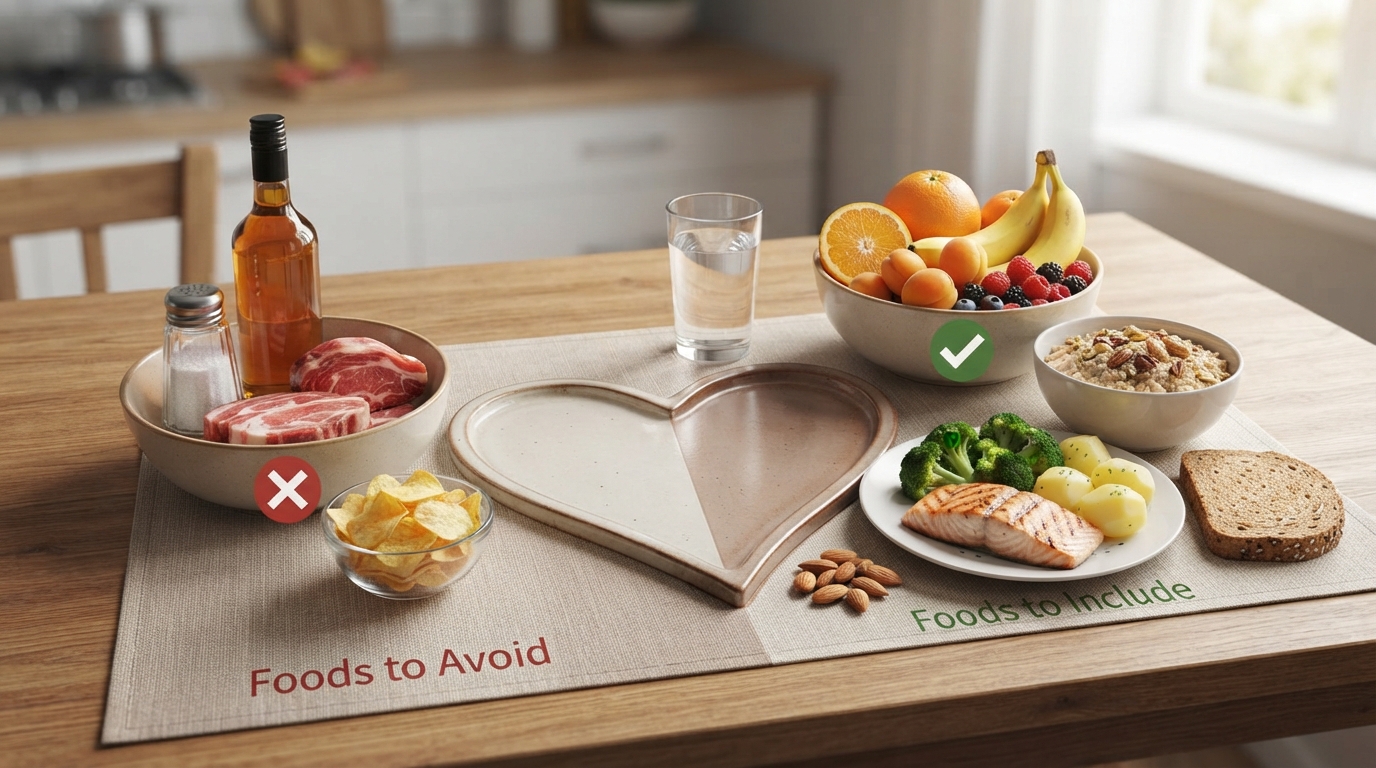
What should you pay attention to in your diet for good heart function?
A heart diet is not just a simple phrase. It was once said that "the way to a heart is through the stomach," and since then, this idea has been groundlessly supported by many. In reality, however, there is truth in this view: diet has a major impact on heart function.
A heart diet helps reduce the risk of developing existing problems related to the cardiovascular system, and also prevents any heart diseases.
What does a heart diet mean?
A heart diet — in other words, cardiotrophic nutrition — not only helps reduce the symptoms and progression of heart diseases in patients, but also significantly lowers the risk of developing cardiovascular diseases in completely healthy people. Cardiologists often emphasize that a heart diet greatly improves patients' health. For this, which products should be included in the daily diet and which ones should be completely forgotten?
What should be excluded from the diet?
The list of prohibited products in a cardio diet does not impose as many restrictions as, for example, the diet for those with diabetes or gallbladder disease. However, a cardiologist will clearly tell the patient about proper nutrition, starting with the products that should be consumed.
Alcohol. Alcohol negatively affects not only the heart but also systems throughout the entire body, causing them to fail. Therefore, it is recommended to exclude alcohol from the diet first of all.
Salt. Invisible salt crystals can have a negative impact on the heart. This is because most cardiovascular diseases are caused, in part, by an imbalance in water and salt. As the amount of sodium salts in the body exceeds the norm, excess water begins to accumulate in the cells of tissues and organs, which leads to swelling. As a result, great strain is placed on the heart muscles and blood vessels. Salt should be consumed up to 5 grams per day, only then there will be no excess pressure on the heart. In addition to pure salt, regular salted products should also be excluded from the diet.
Water. Limiting water intake does not mean stopping drinking it completely. But you will have to forget about the traditional 2.5 liters recommended by nutritionists. Cardiologists recommend that the total amount of fluid should not exceed 1 liter per day.
Fatty products. Usually, doctors advise completely excluding fatty products from the diet, but in reality, it is more logical and pleasant to apply the principle of substitution in a heart diet: you can choose poultry instead of mutton and beef, and eat fruits instead of sweets.
Caffeinated drinks. Any caffeinated drinks — coffee, energy drinks, tea — are undesirable for heart health. Instead, it is better and more beneficial to drink mineral water, fruit drinks, and herbal teas.
How to eat to maintain heart health?
Potassium and magnesium. The former ensures a normal heart rhythm, while the latter helps dilate the blood vessels that supply the heart with oxygenated blood. Potassium is abundant in apricots, prunes, citrus fruits, nuts, potatoes, buckwheat, and cranberries. Magnesium can be found in seaweed, whole grain bread, and cereal products.
Protein. It is known that protein is the main element for muscles, including the myocardium. Therefore, a protein-rich diet is very important in a cardiotrophic diet. Protein is present in low-fat milk and cottage cheese, fish, and lean meat.
Complex carbohydrates. These are not the carbohydrates found in pastries, jam, and chips, as they are truly harmful to the body. Healthy carbohydrates are found in grains and legumes.