

"We'll bomb them to hell." Trump threatened Oman if it prevented the opening of the Strait of Hormuz.
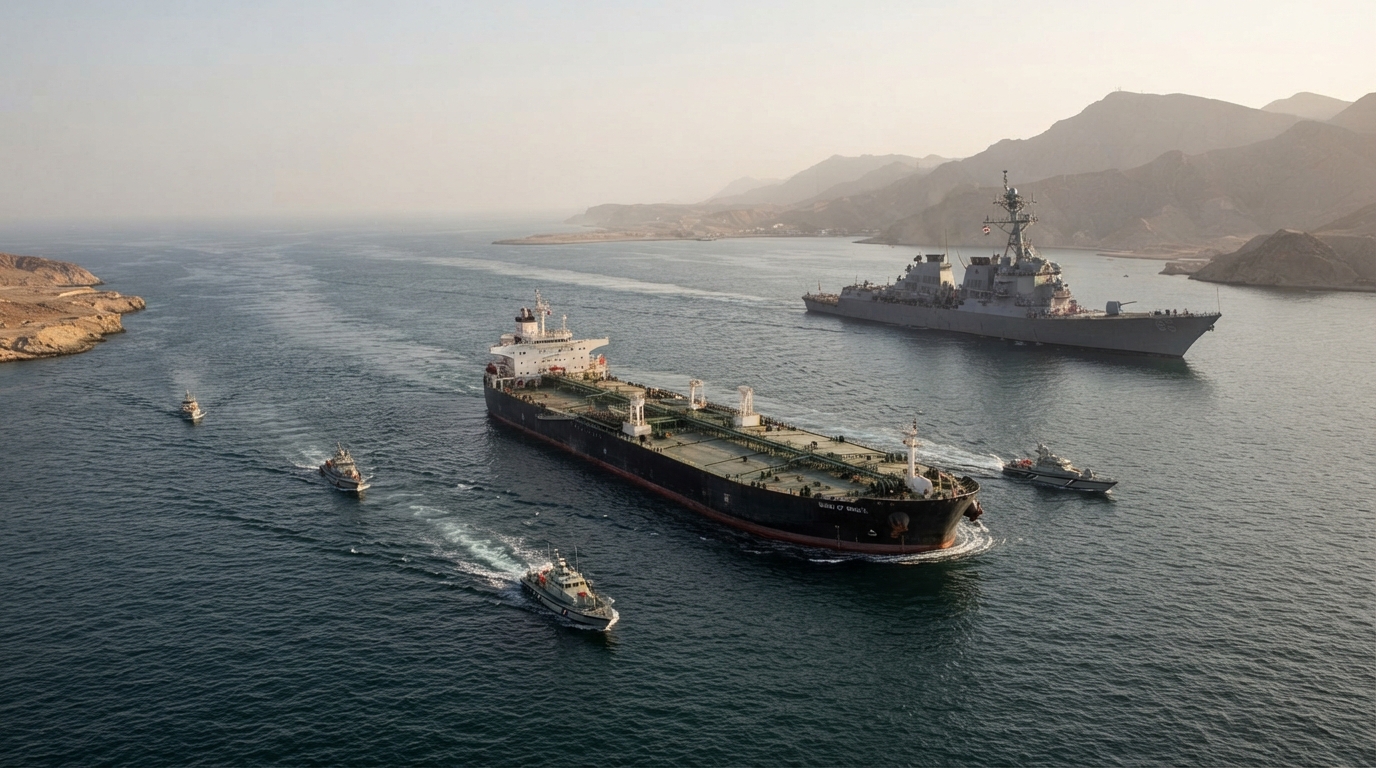
"We'll bomb them to hell." Trump threatened Oman if it interferes with the opening of the Strait of Hormuz.
Uzbekistan, Tashkent – Podrobno.uz News Agency.
US President Donald Trump threatened Oman with military force if the country impedes shipping through the Strait of Hormuz and also demanded Iran's capitulation. This statement came after the expiration of a two-month deadline set by Washington for negotiations with Tehran, which have failed to produce an agreement.
In an interview with Fox News on August 17, Trump stated that Iran should "raise the white flag of surrender." However, the American president emphasized that he is in no rush to end the conflict and is not setting new deadlines for reaching an agreement.
Separately, Trump threatened Oman with military force if Muscat "stands in the way" of the agreement on the Strait of Hormuz. This is not the first such threat against the country – Oman remains a long-standing partner of the United States and traditionally serves as a mediator between Washington and Tehran.
Iran and Oman have been discussing a mechanism for the safe passage of commercial vessels for several weeks. Iran stated that the countries had agreed on a new shipping route and were preparing a joint declaration that would take into account the interests of both countries and ensure the safety of commercial shipping.
Tehran, however, claims that the United States and Israel are attempting to undermine these agreements. The Iranian Foreign Ministry also stated that the expired 60-day period for the negotiating memorandum is of no practical significance, since, according to Tehran, Washington violated its terms shortly after signing.
The memorandum between the United States and Iran provided 60 days for negotiations on a broader agreement, including sanctions and the Iranian nuclear program. This period expired on August 17, but no final agreement was reached. The Strait of Hormuz is crucial for global energy trade. About a fifth of the world's seaborne oil shipments typically pass through it, so shipping restrictions pose risks to the international energy market.
Against this backdrop, the parties continue to exchange tough statements, but negotiations have effectively reached a deadlock. Hudson Institute expert Brian Clark told Al Jazeera that Washington and Tehran are currently making maximalist demands rather than engaging in meaningful dialogue.
As a reminder, on Monday, Iran threatened to shift from a defensive to an offensive strategy. According to Reuters, Tehran may use military force in the Strait of Hormuz and other regions if Washington fails to comply with the terms of the peace agreement in the coming weeks.