

Uzbekistan Updates Regulations for Islamic Banking Framework
Uzbekistan's Central Bank has amended eight regulations to strengthen the legal framework for Islamic banking, covering licensing, governance and prudential requirements.
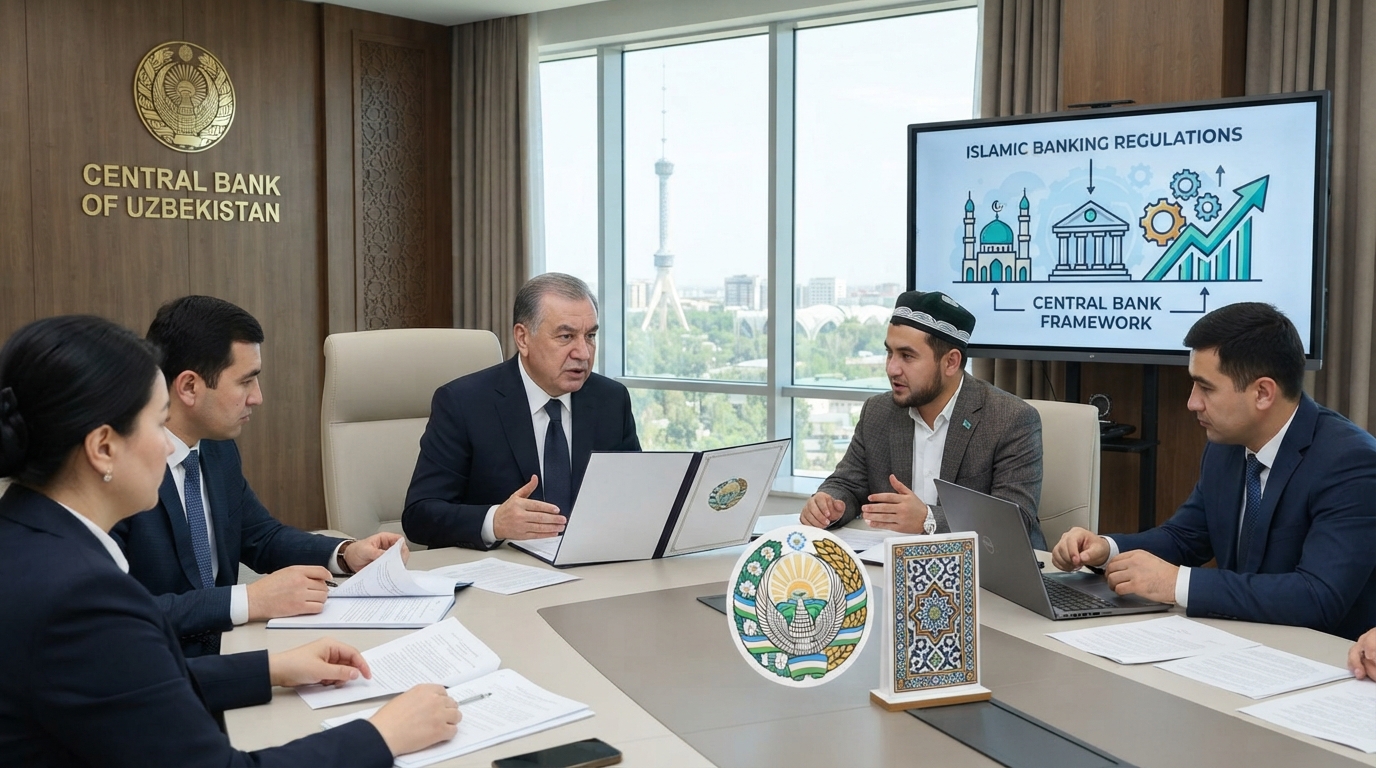
Tashkent, Uzbekistan (UzDaily.uz) — The Central Bank of Uzbekistan has revised and expanded eight of its departmental regulations, officially registering all of them, as part of its ongoing efforts to bolster the legal structure for the implementation of Islamic banking.
According to the regulator, these modifications were developed in response to recent legislative updates designed to foster the growth of Islamic banking within the nation.
The amendments impact regulations concerning several key areas: commercial banks' liquidity management, corporate governance, risk limits for single and connected borrowers, banks' internal audits, external audits of banks and banking groups, the operations of guarantee providers, contributions to the Deposit Guarantee Fund, and bank capital adequacy requirements.
Crucially, these updated requirements now extend their applicability to banks and microfinance institutions that conduct Islamic banking operations.
Furthermore, the revised regulations incorporate new stipulations governing the licensing of Islamic banking activities, the execution of Islamic financial transactions, the adoption of Islamic financial standards, the utilization of investment deposits, Islamic financial instruments, the formulation of Islamic finance policies and portfolios, and the functions of banks' Islamic finance boards.
The Central Bank stated that these amendments aim to establish the essential regulatory framework required for the expansion of Islamic banking services across Uzbekistan.