

Uzbekistan condemned the attacks on Saudi Arabia
Uzbekistan has expressed its strong condemnation of the recent attacks on the territory of Saudi Arabia and actions that threaten international shipping.
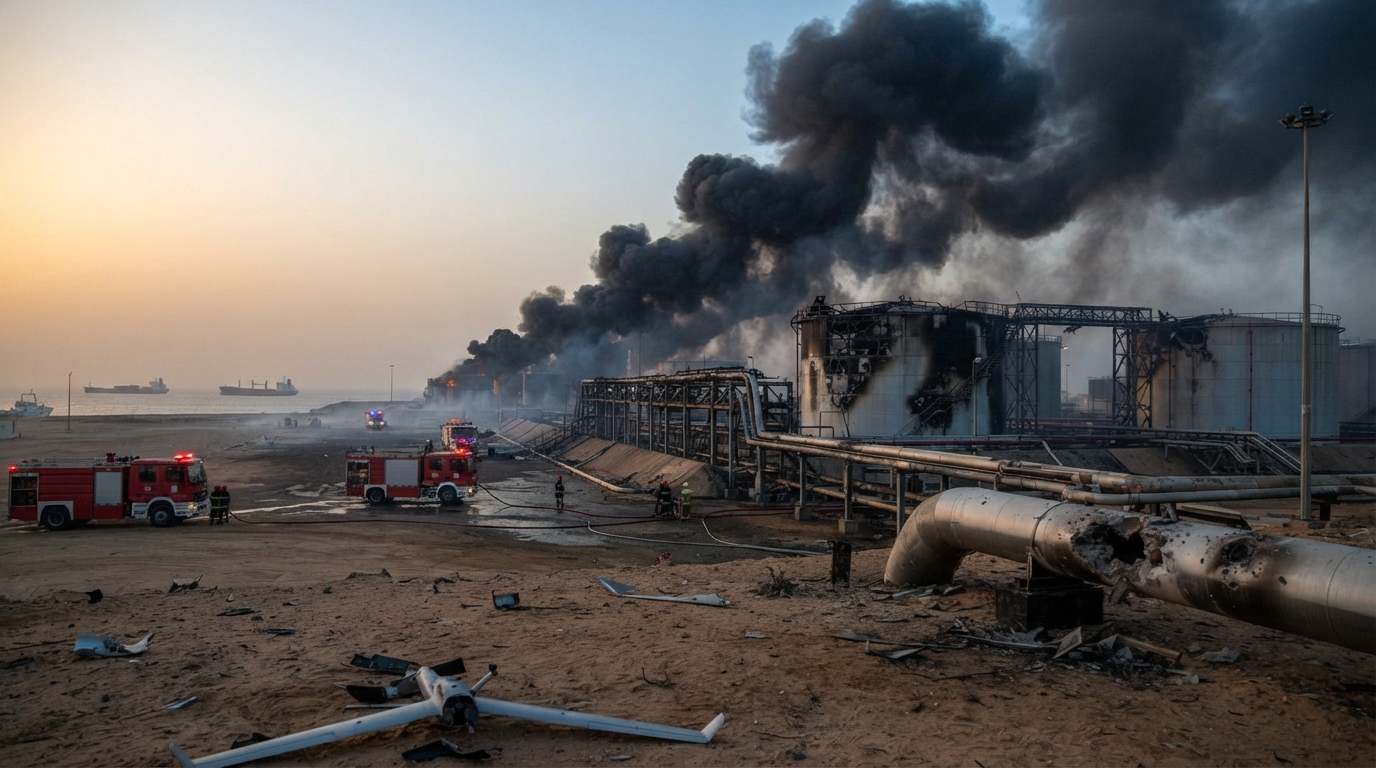
Uzbekistan Condemns Attacks on Saudi Arabia
The Ministry of Foreign Affairs of Uzbekistan expressed deep concern over the attacks carried out with missiles and drones on the territory of Saudi Arabia.
"We strongly condemn any actions involving the use of force against civilians, civilian and energy infrastructure facilities, as well as those threatening the security of the region's states and international shipping.
We believe it is necessary to strictly adhere to the norms of international law, including the principles of respect for the sovereignty, independence, and territorial integrity of states.
The resolution of the arising disputes must be carried out solely through political and diplomatic means, based on dialogue and mutual respect.
We support the efforts of the United Nations and the states of the region aimed at easing tensions in the Middle East, preventing further expansion of the conflict, and establishing a lasting peace," the MFA statement reads.
On September 8, the Houthis in Yemen launched major attacks with ballistic missiles and drones on the southern regions of Saudi Arabia. Energy and economic facilities in Abha, Jizan, Najran, and Khamis Mushait were targeted.
As a result of the attacks, more than 70 people were injured. Fires broke out at oil and gas facilities in Jizan. This is considered one of the most serious escalations since the 2022 Saudi-Houthi truce.
Additionally, on September 11–12, Saudi Arabia announced that several drone attacks were carried out on the East-West Pipeline — a strategic pipeline connecting oil fields in the east of the country with the port of Yanbu on the Red Sea.
According to Saudi data, the drones were launched from Iraqi territory. As a result of the attack, people were injured and the pipeline was damaged. Saudi Arabia stated that it would not launch a retaliatory strike for now, allowing the Iraqi government to take action instead. This pipeline had remained an important alternative route for exporting Saudi oil through the Red Sea due to the situation around the Strait of Hormuz.