

US Health Secretary RFK Jr to expand access to unapproved peptides
Health experts have cautioned against use of the drugs, citing a lack of clinical trials for humans and the unknown long-term effects.
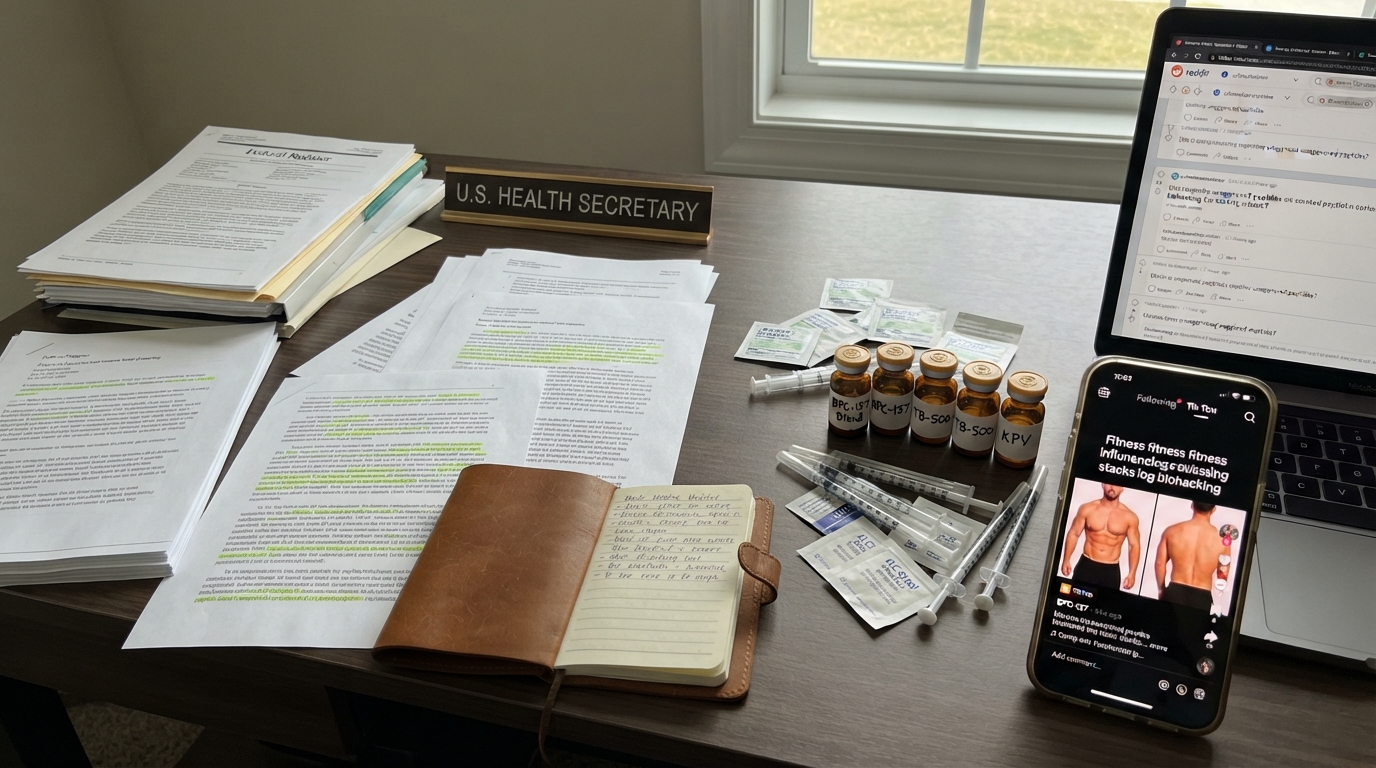
US Health Secretary RFK Jr to broaden access to unapproved peptides
US Health Secretary Robert F Kennedy Jr. has unveiled plans to ease restrictions on controversial peptides.
The plans, announced in the US Federal Register on Wednesday, state that Kennedy would permit compounding pharmacies to prepare six widely used peptides that have not been approved by the Food and Drug Administration (FDA).
In an unusual step, the draft was issued by the health secretary’s office rather than the FDA. Once the plan is formally published later this week, a two-week public comment period will follow.
Unregulated injectable peptides have gained popularity online. Experts have warned that they have not undergone clinical trials in humans and that their long-term effects are unknown.
The peptides named in the plan include BPC-157, TB-500, KPV, MOTS-c and Semax. Compounding pharmacies will be allowed to combine them to make medications.
An FDA advisory panel voted in July to relax restrictions on the six peptides. However, FDA staff members advised against doing so.
Kennedy has called himself a "big fan" of the drugs and has previously promised to loosen restrictions on them after the Biden administration cracked down on the expanding industry.
Peptides are short chains of amino acids, or small proteins, that the body naturally produces. They serve as messengers, instructing cells what to do, and are important in skin health, immune system function and hormone regulation.
Peptides have been used to treat medical conditions for more than a century. Insulin, one of the first peptide hormones discovered, helps people with Type 1 diabetes and some with Type 2 diabetes control their blood sugar levels.
But unregulated peptides have now surged in the wellness market since GLP-1s, weight loss drugs, became mainstream.
Online influencers have been promoting peptides in what they describe as "stacks" for unproven uses, saying they can be a fast way to help people appear younger, heal or improve their skin.
They have also become popular among teens on TikTok, especially boys, because of unproven claims that they help build muscle, as part of online trends known as "biohacking" and "looksmaxxing".
Health experts have warned against using the drugs, pointing to the lack of clinical trials in humans and the unknown long-term effects of the substances.