

US Congressional Staffers Are Writing Bills Publicly on ChatGPT and Claude — Politico
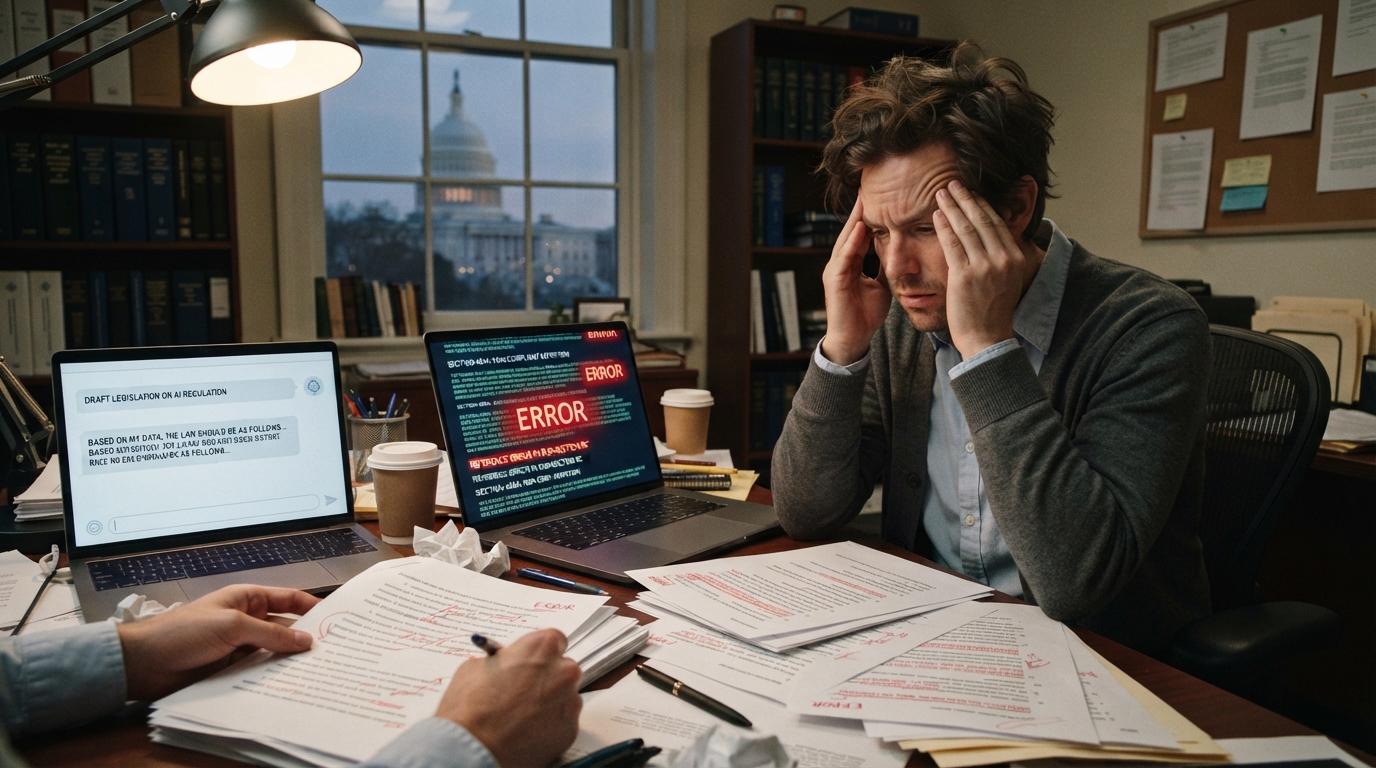
US Congressional staffers are increasingly using AI chatbots like ChatGPT and Claude to draft bills, which is causing lawmakers to miss the mark. Politico, citing eight current and former staffers who worked with the House Legal Service (OLC), reported that AI-powered bills are increasingly riddled with errors and misspellings.
According to one of the people Politico spoke to, staffers and activists are now asking Claude or ChatGPT to write the bills themselves. As a result, the OLC is spending more time correcting AI-generated documents than it would have taken to write them from scratch. In many cases, such projects are slowing down the passage of legislation, and misquoted clauses or legal definitions can lead to lawsuits.
“AI is useful in many areas,” said Daniel Schuman, executive director of the American Governance Institute, a non-governmental organization. “But it’s not capable of drafting the documents you want to become law.” Democrat Norma Torres echoed this sentiment, saying, “Overreliance on AI-generated legislation can lead to errors, unintended legal consequences, or language that doesn’t fully reflect policy goals.”
The ultimate responsibility for bills introduced lies with members of Congress and their staff, and Torres said, “That responsibility cannot be delegated to a chatbot.” Still, four congressional staffers who have worked on the bills told Politico that AI is becoming increasingly common in the House. Staff and advocacy groups rely on it in their daily work, including reviewing and drafting legislation.
“It’s absolutely terrible, and no one has thought about it yet,” said one House staffer. The long hours spent reviewing AI-written bills could encourage lawmakers to simply introduce AI-written bills instead of working with the OLC. So far, no bill in either chamber has been proven to have been entirely AI-written.
AI-written bills are often riddled with errors, such as incorrect terminology and incorrect U.S. Code references. If agency lawyers can’t prevent these errors from creeping into legislation, agencies and courts will struggle to understand what the vague laws require of them. This will lead to Congress spending even more time trying to fix past mistakes.
Compounding the problem is that the people who use AI to write bills may not disclose this. Another OLC official summed up the situation as “a betrayal of the entire legislative process to have bills written entirely by AI.”
Earlier, Canadian MP Bill Oliver accidentally read out a portion of a ChatGPT response intended for him during a speech in parliament. The MP also read out the chatbot’s explanation that the text should be “more natural and fluent.”