

UK special forces could face prosecution as Afghanistan evidence referred to police
Evidence relating to a number of detention operations carried out by British personnel between 2010 and 2013 is being examined.
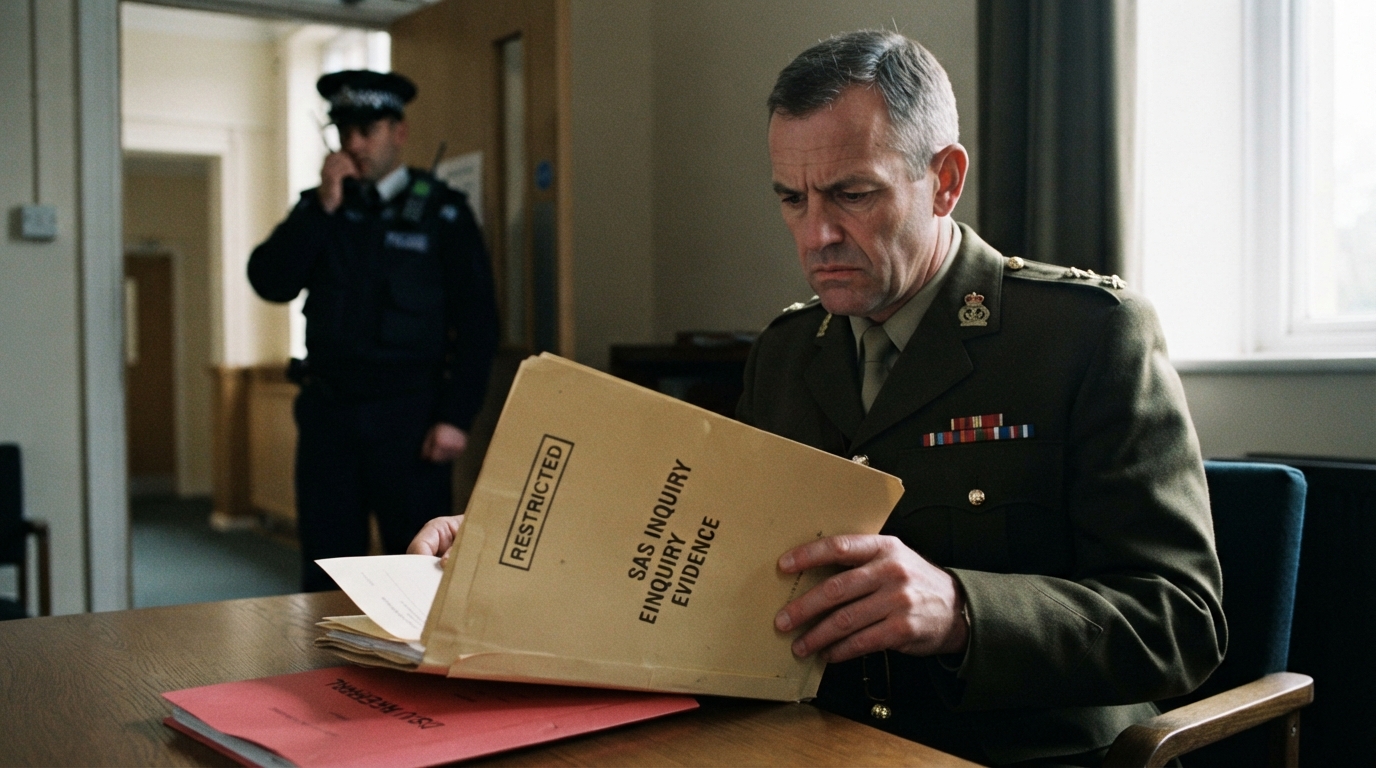
UK special forces could face prosecution after Afghanistan evidence is passed to police
Evidence suggesting that serious offences may have been committed by British personnel
UK special forces (UKSF) personnel could face prosecution after evidence uncovered through inquiries by the SAS Inquiry, indicating that serious offences may have been committed in Afghanistan, was handed to the military police.
The evidence emerged in court proceedings on Monday and marks the first time the inquiry has publicly said its findings could result in criminal prosecutions.
The referral — made by the UKFS earlier this year — was required under the Armed Forces Act, which lists Schedule 2 serious offences as including murder and manslaughter.
It concerns a number of detention operations carried out by British personnel between 2010 and 2013.
The Ministry of Defence (MoD) told the BBC that it discovered the evidence earlier this year following the SAS Inquiry investigation, and that the UKFS then referred it to the military police’s Defence Serious Crime Unit (DSCU), a specialist unit created in 2022 to handle the most serious crimes.
Court documents seen by the BBC indicate that the DSCU has carried out a scoping exercise on the evidence, but the unit has suspended any criminal investigations until the inquiry is finished.
Separately, the MoD told the BBC that it was considered inappropriate for criminal investigations to take place while the inquiry was still under way.
The Independent Inquiry relating to Afghanistan is investigating claims that the British Army’s Special Air Service (SAS) unlawfully executed people during detention operations in Afghanistan between 2010 and 2013, and that senior officials tried to conceal the true circumstances of the killings.
BBC Panorama has spent more than eight years investigating allegations that the SAS executed unarmed civilians, including children. The public inquiry was set up in 2022 after Panorama’s revelations.
The DSCU referral came to light during a High Court hearing brought by a witness to the inquiry.
The witness, a senior British military officer who served in Afghanistan, has been granted permission to seek a judicial review of the inquiry after legal teams representing military witnesses were excluded from closed-door evidence sessions with whistleblowers.
Much of the public inquiry’s evidence is being heard in secret.
Lawyers for the senior officer said the process was unfair and that the officer should have the chance to question the whistleblowers, either directly or through his lawyers, about any allegations made against him.
The inquiry’s lawyers said it "must be able to obtain highly sensitive information" from people who may be worried about giving evidence.
They said protected witnesses had expressed fears of "grievous consequences by UKSF" if their identities were disclosed.