

UK in talks with EU partners to release strategic fuel reserves if needed, BBC understands
President Donald Trump has threatened to ban diesel exports in a bid to ease prices in the US.
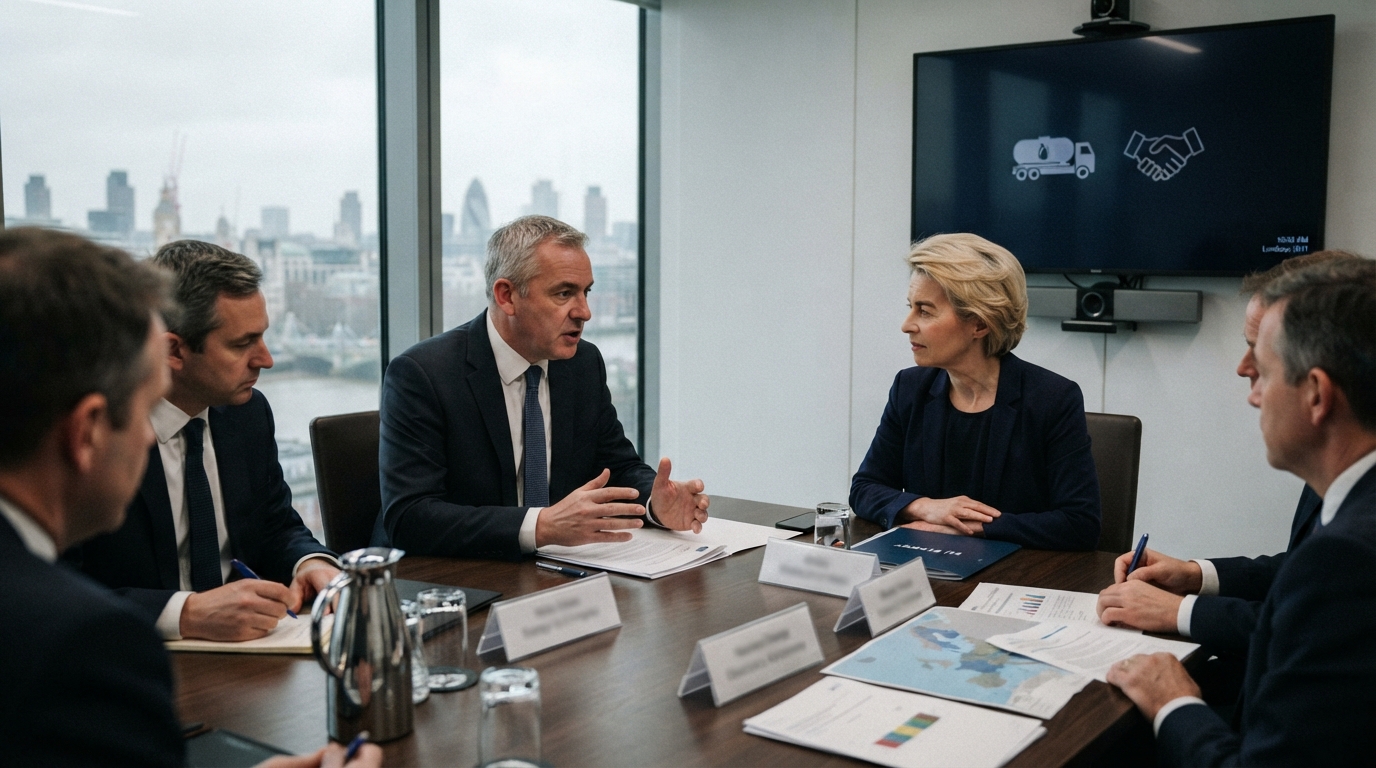
UK in talks with EU partners to release strategic fuel reserves if needed, BBC understands
Energy Minister Martin McCluskey held talks with EU counterparts about a diesel export ban
Britain is in discussions with EU partners about releasing extra strategic fuel reserves, including diesel, if necessary, the BBC understands.
The talks follow President Donald Trump’s threat to ban diesel exports from the US in an effort to bring down record fuel prices for Americans.
Diesel prices in the UK also reached record levels this week and are now hovering just below 200p per litre, according to the motoring organisation the RAC.
The US is a crucial diesel supplier to the world, exporting between 1.2 million and 1.5 million barrels a day, and experts have warned that a ban on overseas shipments could add further pressure to prices in other countries.
"We're thinking about it very seriously," Trump said at the weekend when asked about an export ban.
Energy Minister Martin McCluskey joined a call with European counterparts on Thursday to discuss the possible ban.
A source familiar with the talks told the BBC that it was sensible to prepare a coordinated response with other countries, including those across the EU, but added that European reserves remained after a coordinated release of strategic fuel stocks earlier this year.
"We have a diverse and resilient supply. We continue to engage with our international partners and the UK fuel industry," a government spokesperson said. The government has stressed that there is no reason for concern about possible diesel shortages, although prices are expected to climb further.
A European Commission spokesperson said today that there were "lots of calls, lots of meetings" taking place on the diesel situation, including with "high level contacts" in the US administration.
A meeting of the governing board of the International Energy Agency (IEA) is due to take place tomorrow.
Global petrol and diesel prices have surged since the outbreak of the US-Israel war in Iran in February. The closure of the vital Strait of Hormuz, which usually carries around a fifth of the world’s oil and gas, has driven up the cost of products made from oil.
An export ban from Russia, another major diesel supplier, has also added to price pressure.
Trump has said that keeping any spare barrels of diesel in the US would reduce domestic pump prices, giving immediate relief to drivers, truckers and businesses ahead of the midterm elections.
But David Fyfe, chief economist at Argus Media, said cutting off American supply would probably send international prices soaring.
Diesel prices have reached an all-time high in the UK, with the latest RAC figures showing average pump prices at 199.79p per litre, up from 142.38p.
Diesel is more difficult to refine than gasoline and, because it is used by the haulage industry and in agriculture, demand is very hard to reduce.
The UK depends heavily on imports. Although the four refineries in the UK produce more than enough petrol to meet demand, they do not produce enough diesel for the country’s needs.
There were 15.1 million diesel vehicles on UK roads at the end of June, according to the Department for Transport. That is down from 15.7 million a year earlier.
There were 9.8 million diesel cars, down year on year from 10.4 million.