

Uber shuts operations in Nigeria and Uganda with immediate effect
Nigeria - Africa's most populous country - is proving a tough market for ride-hailing services.
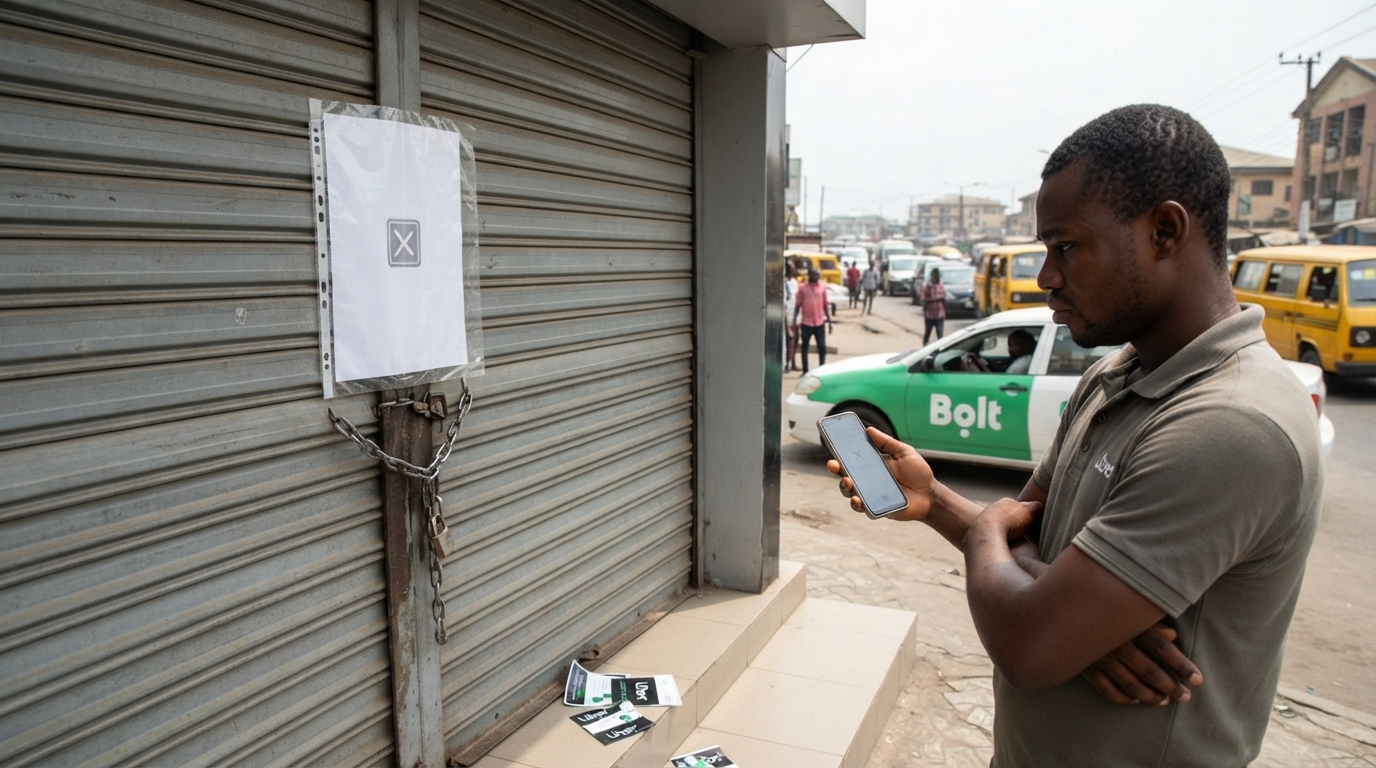
Uber has ceased operations in Nigeria, Africa's most populous nation, and Uganda, an East African country, effective immediately. This move leaves Egypt, Ghana, Kenya, and South Africa as the only African countries where the global ride-hailing giant continues to operate.
The company stated that this "difficult decision" followed a comprehensive review of its business. Uber initiated services in Nigeria in 2014, followed by Uganda two years later.
Nigerian Uber drivers have frequently voiced concerns regarding the app's low fares, especially in light of escalating fuel costs, and what they consider excessive commission charges. The company has also faced stiff competition from other ride-hailing platforms.
This announcement coincides with Uber CEO Dara Khosrowshahi's statement about a 10% reduction in the company's global workforce, part of a significant worldwide restructuring that will eliminate over 3,000 jobs.
In the past year, Uber also withdrew from Ivory Coast and Tanzania. A statement from Uber to the BBC clarified, "This decision is limited strictly to these two markets and does not impact our operations across the rest of the continent." The company reiterated its commitment to sub-Saharan Africa, citing continued strong growth and opportunities.
During its 12 years in Nigeria, Uber expanded its service offerings. In 2019, it launched a boat service in Lagos, the commercial hub, to help commuters navigate the city's notorious traffic congestion. Lagos, one of Africa's largest and busiest cities, is well-known for its extensive traffic jams that impede business activity.
Over the last decade, Nigeria has seen the emergence of various ride-hailing taxi apps, including international competitors like Bolt and inDrive, alongside several local operators. However, the Nigerian market has become increasingly challenging for all of them. Drivers have staged protests and industrial action in recent years, citing rising operating costs, inadequate fares, and poor working conditions.
The removal of Nigeria's fuel subsidy after President Bola Tinubu's election in 2023 led to a significant increase in the cost of living. The subsidy had kept petroleum product prices low for decades. This year, motorists faced another surge in petrol prices following the conflict between the US and Iran.
Uganda's Daily Monitor newspaper reported that Uber's departure would significantly alter commuting in the capital, Kampala. However, it suggested that other taxi apps such as Faras, Bolt, and SafeBoda are likely to fill the void.
Uber has pledged to support affected employees and drivers. Its help center will remain operational in Nigeria and Uganda until September 23 to address any outstanding issues.