

Two years left to the Moon? Starship passed an important test
It was reported that SpaceX's Starship spacecraft made its first orbital flight during a test on September 28, delivering satellites into orbit. Although the flight program was shortened due to engine malfunctions, the spacecraft was guided to a splashdown in the ocean. Now the main question is - will the system be ready to land astronauts on the Moon in 2028?
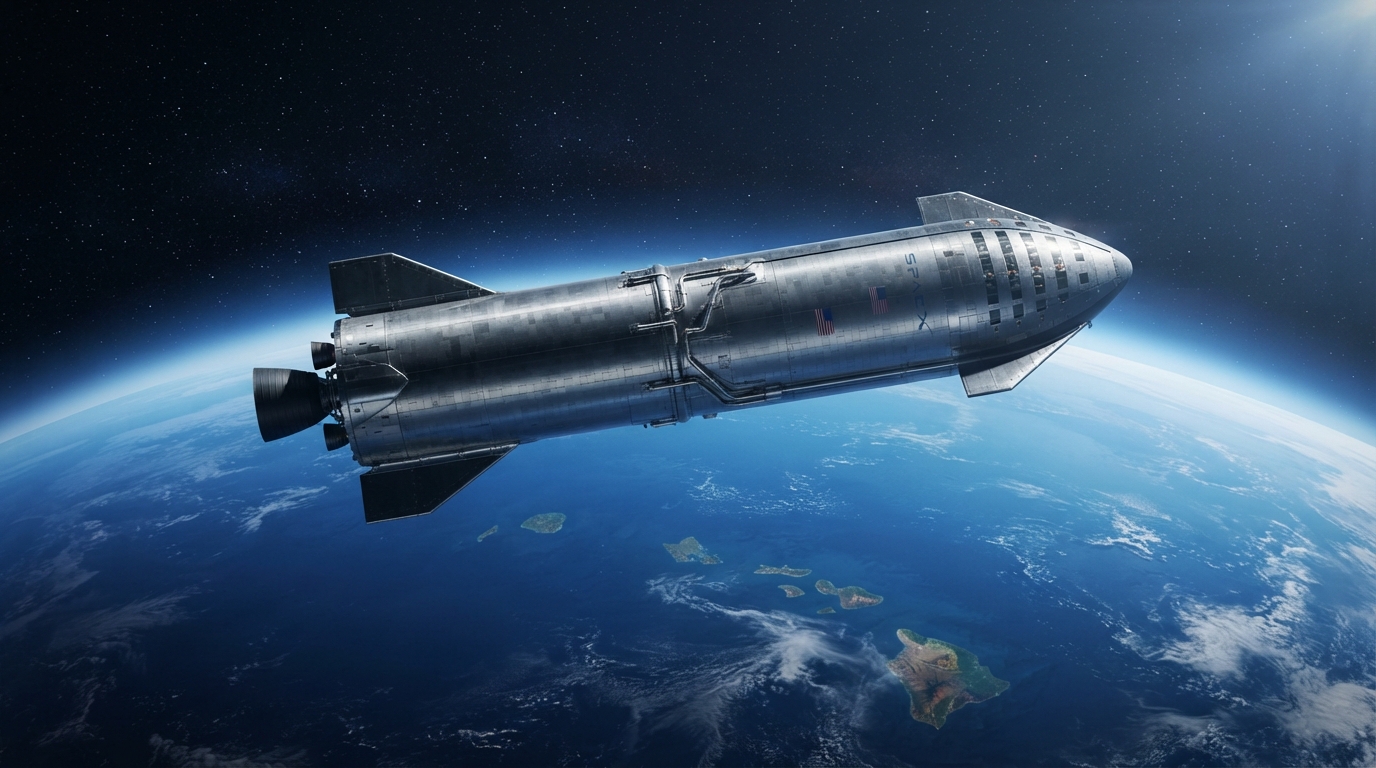
Are there two years left to the Moon? Starship passed an important test
According to the Naked Science article, the flight carried out on September 28, 2026, was the 14th test of the Starship system. Unlike previous launches, this time the ship was placed into Earth orbit and a payload was also carried.
The article notes that Starship, with a height of nearly 50 meters and a diameter of 9 meters, is described as the largest and heaviest object ever launched into orbit in a single launch.
The ship also currently serves as the second stage of the rocket. It is intended that once its large fuel tanks are refueled in orbit, it will be able to fly to the Moon or Mars.
According to the article, after the stages separated, two Raptor engines on the first stage failed to restart. The remaining engines compensated for this deficiency, and the descent of the stage proceeded largely as planned.
A problem was also observed in the second stage: one of its six engines failed. After that, SpaceX specialists assessed whether it was possible to continue putting the ship into orbit.
According to the provided information, once it was determined that the malfunction did not affect the operation of the remaining central engines, the decision was made to continue the orbital flight.
However, internal checks after entering orbit did not go as expected. The exact technical reason was not disclosed in the article. The author speculated that there might have been a problem with the engine or the fuel storage and delivery systems.
Initially, the ship was planned to orbit the Earth six times. Following deviations in technical indicators, the flight was limited to two orbits.
After that, Starship was deorbited using a braking impulse and directed toward a backup landing area north of the Hawaiian Islands. As the ship approached the ocean surface, it slowed down further, testing the landing maneuver.
The author of the article assessed that although the flight program was not fully completed, reaching orbit, delivering the payload, and the controlled return are important results for the program.