

To joke or not to joke?: How to write a good out-of-office message
As we hit peak holiday season, the BBC looks at the dos and don'ts of composing a good out-of-office message.
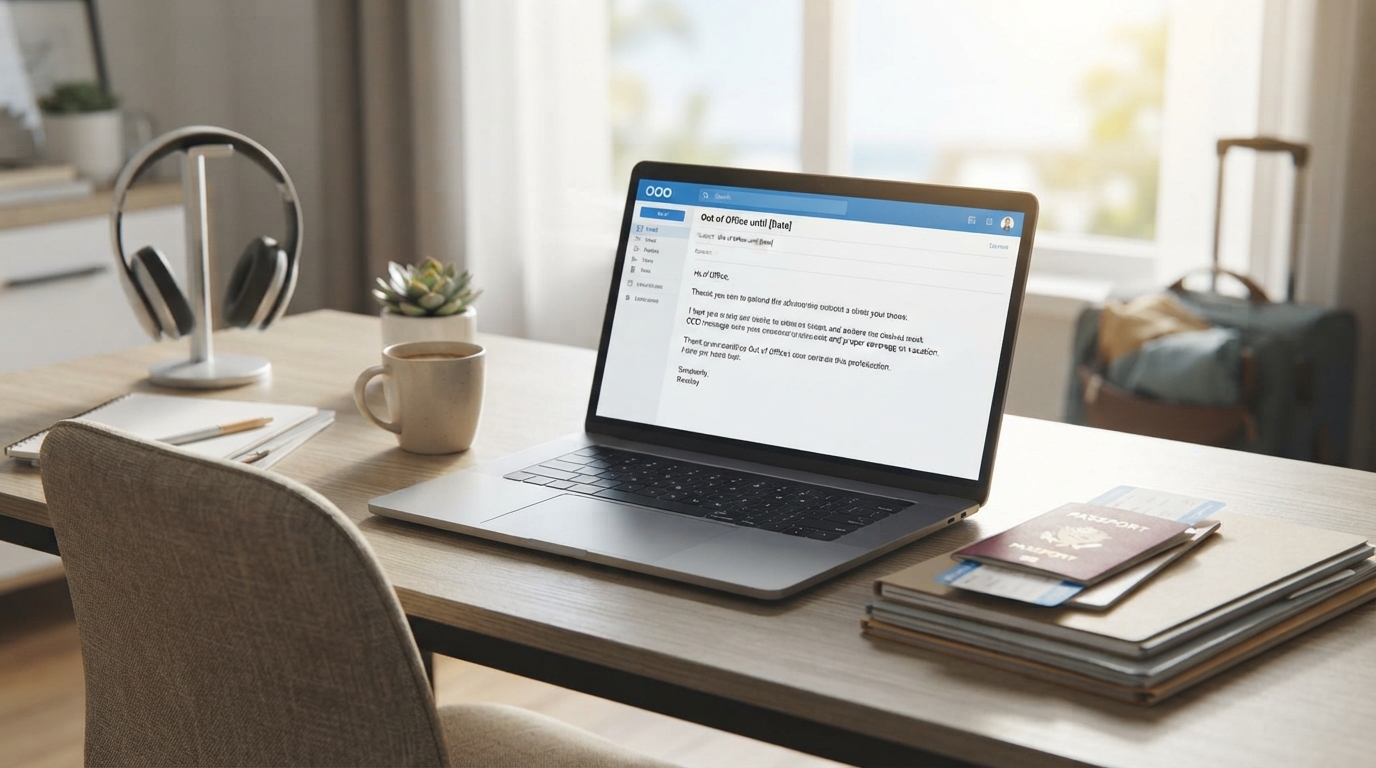
As you prepare for a well-deserved break, one final item on your to-do list is crafting an out-of-office (OOO) message. Many grapple with how much information to share, their level of availability, and whether to infuse personality or even humor into the reply.
Experts emphasize that there are clear guidelines for OOO messages, and missteps can have more significant repercussions than one might anticipate. Here are their recommendations for composing an ideal out-of-office response.
Debretts, an etiquette consultancy, advises that an effective automatic reply should be courteous and concise, specify a return date, and offer an alternative contact if suitable. However, it's crucial to avoid oversharing, such as detailing holiday plans or boasting about possessions like second homes or expensive hobbies.
Debretts cautions against revealing personal holiday specifics. Rupert Wesson, a director at Debretts, also advises against "virtue signaling" about the reasons for your time off, as it can appear "smug" or "trying too hard." He notes that while some might appreciate hearing you're spending "quality time with your family," those emailing you while they are working might find it irritating.
Conversely, a minimalist message simply stating "I'm out of office" without a return date or alternative contact can create more confusion than clarity. Charlotte Davies, a career expert at LinkedIn, explains that this uncertainty leads to "just-in-case" follow-ups because people don't know when to expect a reply or who else can assist.
Davies believes a strong OOO message accomplishes two things: it provides your dates and directs people to a backup contact. She also recommends briefing your cover person on any important matters before your departure, which benefits the sender and safeguards your break.
While a personal touch in OOOs might suit an informal team culture, be mindful that humor doesn't always translate well in email. Paul Fitzsimmons, head of sales and marketing at law firm Wilford Smith, warns that overly glib or sarcastic messages, even if amusing, can cause problems. He cites examples like "'I'm currently out of the office pretending this company doesn't exist'..." "'If it's urgent, call someone who cares'..." and "'Emails received while I'm away will be deleted unread.'"
Managing expectations regarding your availability is crucial. Adam Murfet, 41, a senior sales executive, recalls a former colleague losing a deal due to a client's negative reaction to a joke in an OOO message. However, Murfet also believes humor can help individuals stand out in an increasingly AI-driven communication landscape. His rule of thumb is to ask, "Always ask, would you put the same thing in an email?" He adds, "Anything you send will be read and people will judge you on it."
Commentators frequently express frustration with senders who claim "limited access to email" while away, as this can encourage continued contact as if they were still working. Wesson suggests that if checking emails on holiday is necessary, it's better to state, "I will be periodically checking emails," to manage expectations. Davies advises that for a genuine break, "say so clearly - something like 'I won't be checking emails during this time.'" She reminds, "Remember, in the UK you have a legal right to uninterrupted annual leave unless your contract says otherwise."
**Key Rules for the Perfect Out-of-Office Reply:**
1. **Be polite:** Begin with a greeting like "Thank you for your email," rather than an abrupt "I'm on annual leave."
2. **Provide a specific return date and backup contact:** Ensure all contact details are accurate.
3. **Be clear about your availability:** Manage expectations and explicitly state if you prefer not to be contacted.
4. **Avoid promising instant replies upon return:** A backlog is normal; "within a few days" is a more realistic promise.
5. **Target both internal and external contacts:** If using Outlook, remember to set up separate messages for each.
6. **Deactivate your out-of-office upon return:** A stale OOO can appear disorganized.
Sources: Debretts, LinkedIn