

The Tax Committee explained the recalculation of taxes for 3,600 properties.
The Tax Committee explained the tax recalculation for owners of approximately 3,600 properties and clarified the reasons for the assessments in Tashkent.
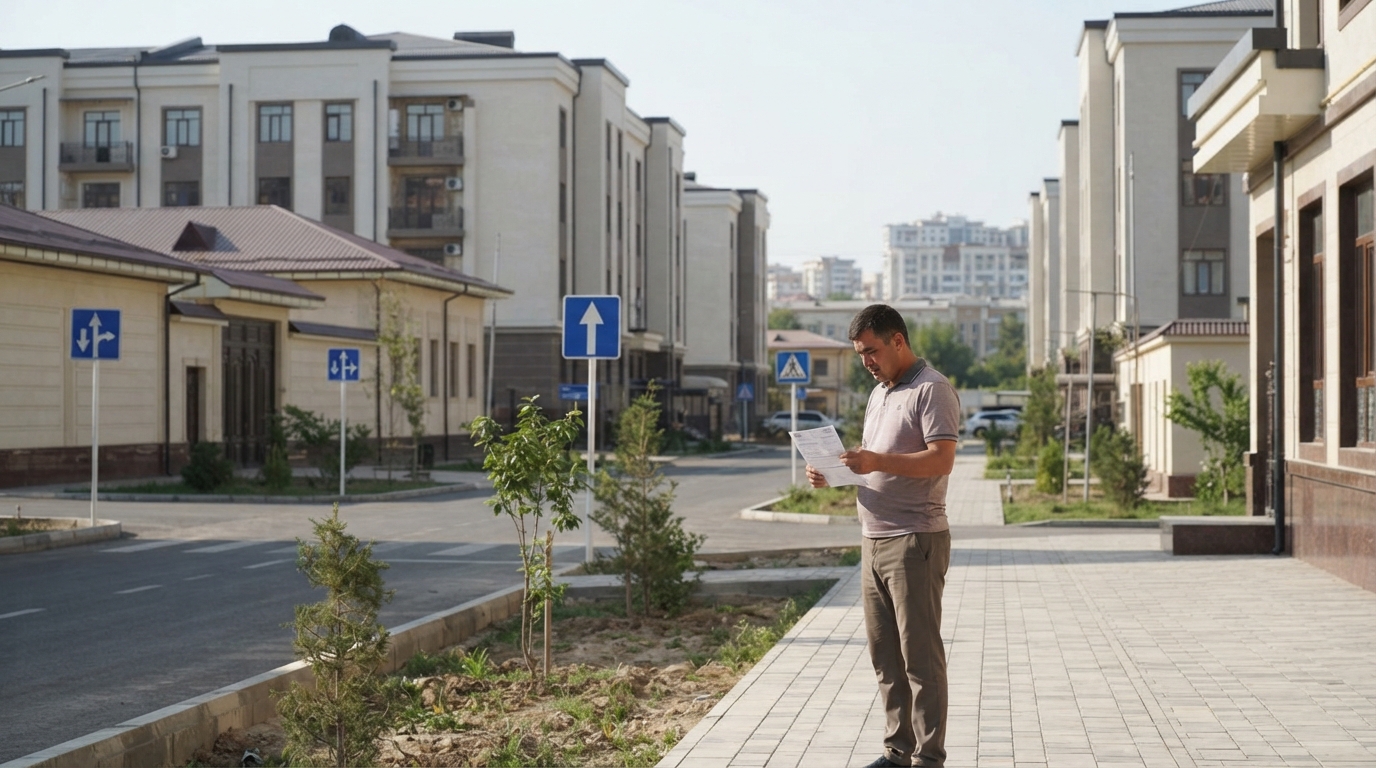
The Tax Committee clarified tax recalculation for 3,600 properties
Tashkent, Uzbekistan (UzDaily.uz) —
The Tax Committee of Uzbekistan issued a statement regarding reports of tax arrears among the owners of approximately 3,600 apartments and households. The agency stated that the assessment and subsequent recalculation of property and land taxes are based on data provided by cadastral authorities, according to a statement from the press service of the Tax Committee of Uzbekistan.
In the capital, Tashkent, the property's location zone is taken into account when determining tax liabilities, among other factors. The current zone boundaries were reapproved by the decision of the Tashkent city mayor dated March 3, 2023, under number 159-14-0-Q/23.
Based on this decision, cadastral services changed the zoning of Yuksalish Street in the Khushnud mahalla of the Yangihayot district, moving it from zone 5 to zone 4. As a result, tax authorities recalculated the rates established for Tashkent's fourth zone, starting in 2023.
This recalculation affected 144 properties. The Tax Committee stated that these actions were carried out in accordance with Article 88 of the Tax Code, which establishes a three-year statute of limitations for tax liabilities, unless otherwise provided by law.
The agency also reported that tax authorities receive information on average about 50,000 properties monthly as a result of an inventory of illegally occupied land plots and the buildings erected on them. The inventory is conducted within the framework of Law No. ZRU-937, which regulates the recognition of rights to properties associated with illegal land occupation.
The Tax Committee emphasized that in such cases, recalculations are a legally required process and are carried out in strict compliance with current tax regulations. The department also noted that incoming tax revenues are channeled into local district budgets and used to finance social protection, landscaping, and infrastructure development.