

'The future of pubs is community-owned pubs'
Community-owned pubs are "the way forward" say Essex landlords who are enjoying a successful spell.
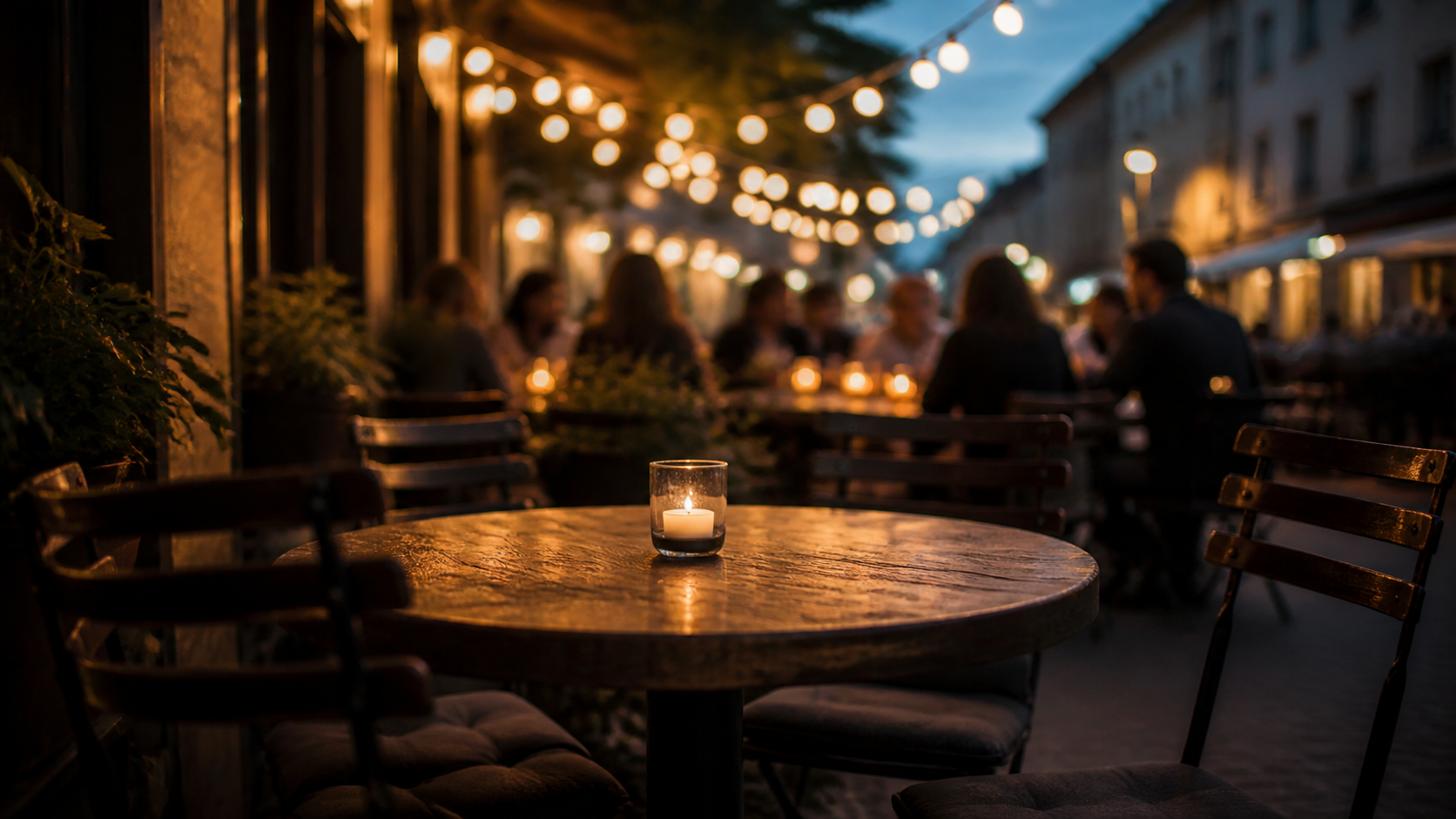
"Community-owned pubs represent the future of the industry," according to landlords in Essex. The Railway Arms in Saffron Walden, a not-for-profit establishment, is owned by approximately 400 local residents.
Data from the Campaign for Real Ale (CAMRA) reveals a significant decline in pub businesses, with 3,953 closures and 1,624 demolitions or permanent losses over the past five years. However, The Railway Arms was rescued in 2020 by a "powerful force" of 400 local patrons. Since its community acquisition, the pub has "flourished," recently earning the East Anglian CAMRA Pub of the Year award.
Landlord Graham Pearson noted a "palpable difference in atmosphere" due to the community's investment, observing its continued growth and success as "fantastic to see." He described an "anti-corporate sort of feeling," emphasizing, "this belongs to us." The Railway Arms has reverted to an "old-fashioned" pub model, eliminating music and televisions. Pearson explained, "The pub itself is devoid of background anything, so it's a place where conversation can flourish." He highlighted its broad appeal, attracting "people from 18 to 80 here, literally, and that's terrific." Pearson asserted, "I think the future of pubs is here. The people should come and look at this place and see what has happened here... this is the way forward and people should wake up." He also mentioned that some community members who had not previously visited the pub became regulars after becoming patrons.
Pearson believes that everyone needs to "wake up" and acknowledge that community-owned pubs are the path forward.
Ash Corbett-Collins, chairman at CAMRA, stated that community-run pubs offer greater "flexibility" in catering to customer preferences, including their beer selections. He observed the prevalence of "the same brands here, there and everywhere," attributing this to the dominance of major players in the market. Corbett-Collins advocates for the Competition and Markets Authority (CMA) to investigate why pubs are often restricted in "what they want to stock."
Gill Crawford, director of Mighty Oak Brewery, a microbrewery in Maldon that supplies The Railway Arms, echoed CAMRA's sentiments. She identified "access" as a greater challenge than demand for microbreweries. Crawford explained, "Many pubs are locked into contracts that heavily favour the big players, which is why you see the same brands everywhere. It's not a reflection of customer choice, it's a reflection of who controls the bar." She believes that the flexibility and "genuine freedom" of community-owned pubs are crucial for "keeping local breweries alive." Crawford added, "Community-owned freehouses are incredibly important to us. They're run by people who genuinely care about their neighbours, their town, and the character of their bar. When a pub is owned and shaped by its community, everyone benefits: drinkers, small brewers, and the local economy."
Meanwhile, the Chequers Inn in Roxwell, near Chelmsford, is celebrating its first year of operation under community ownership. Sam Metson, chair of the group, recounted how the pub was "under real threat" of conversion into a house until 400 individuals purchased shares in the building. Metson explained, "Effectively what it means is the pub is owned by its customers and the people in the community that love the pub." She emphasized the importance of pubs in rural areas, stating, "I think most people would say a village without a pub isn't really a real village, particularly in the countryside where there's not a lot else going on."
A spokesperson for the Department for Business and Trade acknowledged the "challenges" faced by many community pubs. They stated that the government has allocated £440,000 to 'Pub is the Hub,' a non-profit organization, to assist pub projects stalled due to lack of funding. The spokesperson also highlighted the prime minister's announcement of a 20% reduction in business rates, which is expected to "save thousands of locals over £1,000 a year."