

The first world case of human infection with the Chamond virus has been recorded in France. The patient died
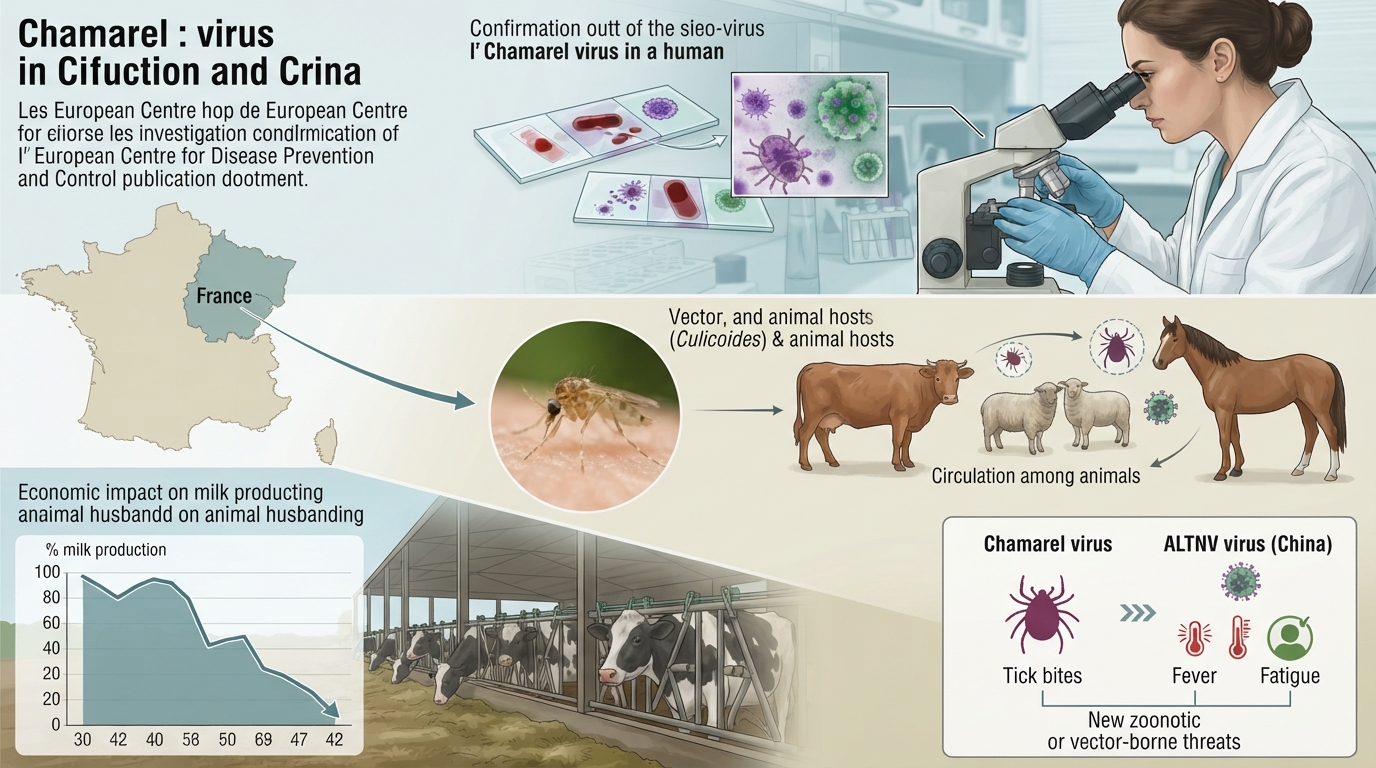
In France, a human infection with the Chamonda virus, previously identified mainly in animals, has been confirmed for the first time in the world. The patient died in early October; however, specialists are still investigating whether the infection could have caused or contributed to the death. French authorities stated that at present, no threat to the rest of the population has been detected.
According to Reuters, the patient suffered from a severe medical condition that may have made him more susceptible to infections. The leading theory of French specialists is that the infection occurred in the eastern part of the country, where the virus was circulating among animals in the spring and summer of this year.
The European Centre for Disease Prevention and Control is monitoring the situation and liaising with French authorities and partners in other European countries. The investigation aims to determine exactly how the person became infected and what role the infection may have played in his death.
The Chamonda virus is transmitted through the bites of biting midges—small blood-sucking insects. Previously, it had been detected predominantly in cattle, as well as in horses, alpacas, sheep, and goats. There are currently no commercially available vaccines against this infection.
This virus also poses a threat to livestock farming. According to a study of nine French dairy farms, milk production in infected herds fell by up to 75%.
A month earlier, Chinese scientists identified a new tick-borne virus, ALTNV, which can cause fever, severe fatigue, and a decreased platelet count.