

The development of the waqf system was discussed in Uzbekistan.
IsDBI, UNDP and the Committee on Religious Affairs discussed recommendations for the creation of a legal and institutional framework for the waqf system.
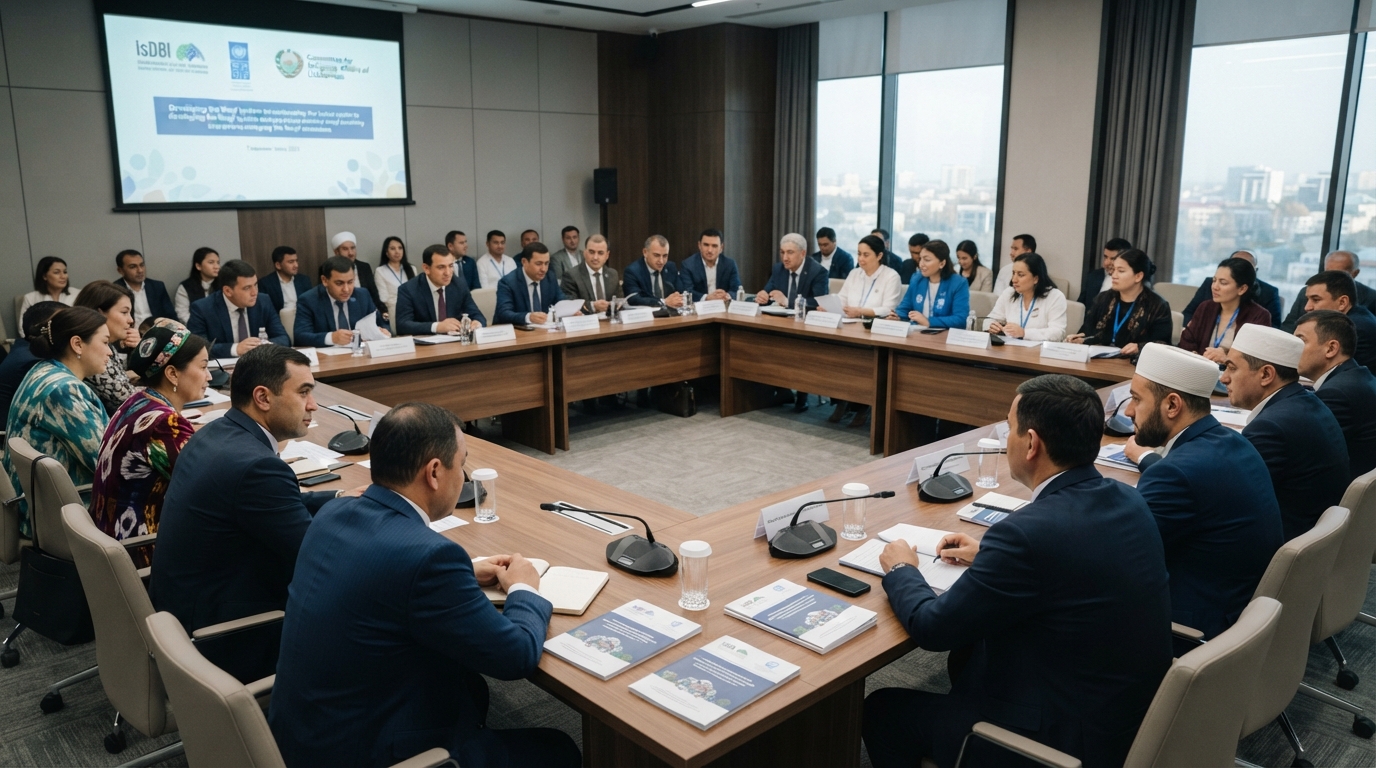
An important roundtable discussion and presentation of recommendations for the implementation of the waqf system in Uzbekistan took place in Tashkent. The event was organized by the Islamic Development Bank's Islamic Institute (IsDBI), the United Nations Development Programme (UNDP), and the Committee on Religious Affairs of the Republic of Uzbekistan.
The roundtable, held on August 3, was the first event of its kind as part of a national dialogue aimed at developing and expanding the institution of waqf. It was attended by over 40 representatives of government agencies, regulatory bodies, religious and international organizations, and the academic community.
The event was organized as part of the technical assistance project "Creating Favorable Conditions for the Development of Waqfs in Uzbekistan," which has been implemented since 2025. The project's goal is to develop the legislative, institutional, and regulatory framework, as well as strengthen technical capacity in this area.
A concept paper was presented at the meeting, containing an analysis of international experience, as well as the legal, institutional, and tax restrictions hindering the development of waqf in Uzbekistan. The document proposes a model for the system's development that is focused on practical implementation and aligned with the country's national priorities.
Participants noted that the Public Charitable Foundation "Waqf" was established in 2018. However, the current legislative framework does not yet create a comprehensive legal and regulatory environment for the full functioning of the national waqf system.
During the discussion, potential provisions for a special law on waqf were considered, including the protection of the rights of founders and beneficiaries. The possibility of creating a specialized independent body to oversee, manage, and coordinate waqf-related issues, as well as the introduction of financial and tax incentives, was also discussed.
Special attention was paid to taxation, public awareness, and human resource development. Participants also noted the potential role of waqf in reducing poverty, developing human capital, and expanding access to basic social services.
The development of the waqf system is considered in the context of Uzbekistan's broader efforts to develop Islamic finance. In June 2026, legislative amendments aimed at creating conditions for the development of Islamic banking entered into force in the country. Furthermore, the Legislative Chamber of the Oliy Majlis is currently considering a draft law "On the Capital Market," which contains specific provisions on sukuk Islamic securities.
Following the meeting, IsDBI confirmed its commitment to continue supporting Uzbekistan's efforts to create a transparent and sustainable waqf system aligned with national priorities.