

The £70 refund letter that isn't a scam
About one million people - mostly women - are owed pension tax relief and will be contacted by HMRC.
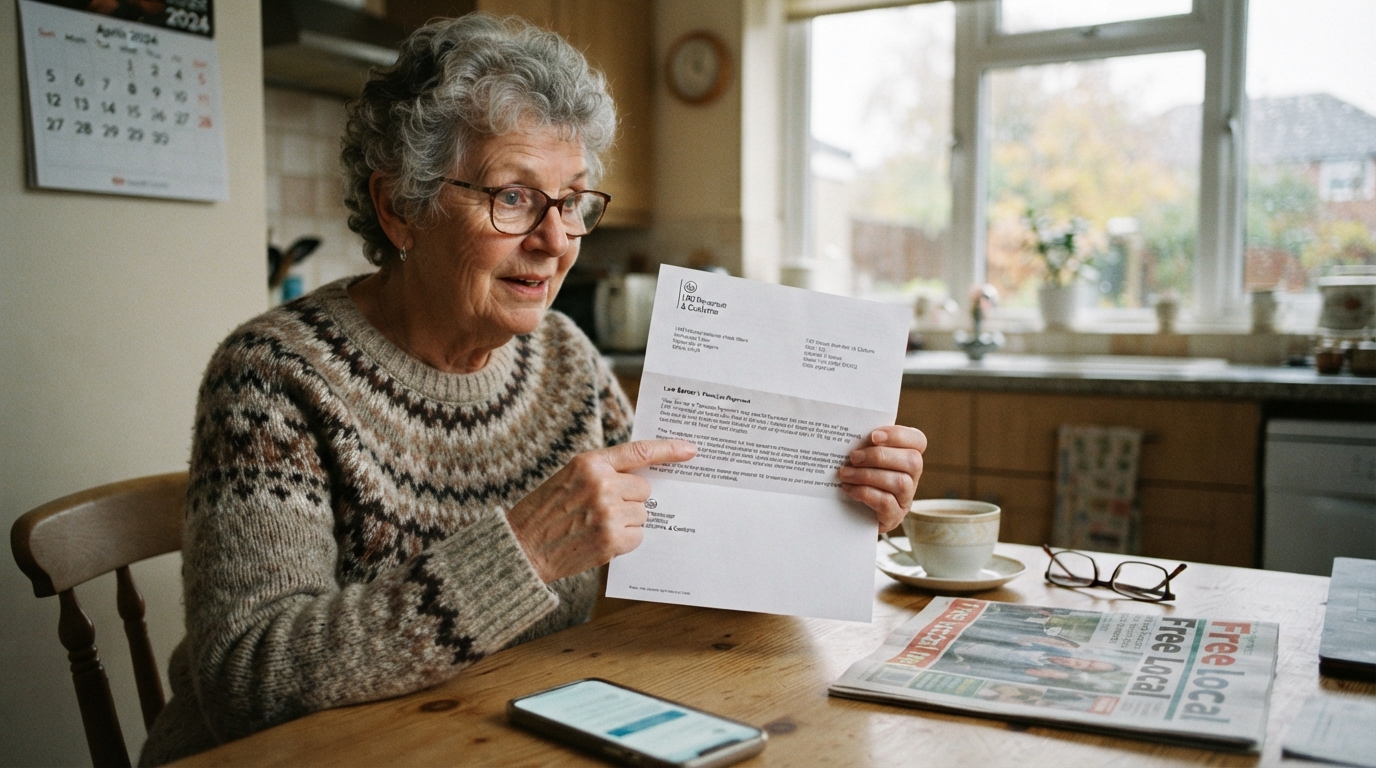
The £70 refund letter that isn't a scam
You may be one of the one million people, mainly women, who will get letters setting out how you qualify for top-up pension payments — and it is not a scam.
Those who are eligible are low earners who have missed out on money because of the way their pension is run.
Over the next few months, HM Revenue and Customs (HMRC) will send letters to people explaining how to claim the payment. In most cases, the amount will be £70, though it could differ significantly depending on individual circumstances.
Anyone who qualifies will be contacted automatically, but if you receive a letter there are several checks you can make to confirm it is real and avoid being tricked.
When you contribute to a pension, the government lets some of the money that would otherwise have gone to tax be paid into your pension instead.
This is called tax relief
For fairly complex reasons, some low earners whose employer used a pension scheme known as a Net Pay Arrangement received less than those whose pension was handled through a Relief at Source scheme.
Workers do not choose which scheme is used, so the government has decided to make up the shortfall for those who missed out, through what is called a low earner's pension payment.
Usually, they will have earned around, but not more than, £12,570 a year, which is the threshold for paying income tax.
Top-up payments will first be made for the 2024-25 tax year, with automatic payments then starting for later years.
Customers do not need to apply. If you are eligible, HMRC — the UK's tax authority — will send you information in a letter or via your online personal tax account
HMRC will not text, email or phone you about this. If you get such a call or message, it is a scam. It will also never ask you to move money, or request PIN codes or passwords.
Other ways to check that contact is legitimate include:
Making sure HMRC has your current address
Searching Gov.uk for "check if a letter you've received from HMRC is genuine", and looking for "Low Earner's Pension Payment"
HMRC also offers guidance on spotting scams
Customers will be asked to give their bank details through their personal tax account. Those who are digitally excluded will be able to call HMRC to accept the payment instead
"We know some people may be cautious about unexpected contact, which is why we provide clear information about what to expect and how to verify the contact is genuine," said a HMRC spokesman.
"Customers can check a letter is genuine on Gov.uk and should only respond via official HMRC channels."
Sir Steve Webb, partner at pensions consultancy LCP and a former pensions minister, said he was shocked by how few people the government expected to actually receive the payment.
The government has estimated the project will cost far less than if every eligible person claimed the payment.
"The process of getting these payments to the right people is going to be incredibly painful and there is a real risk of huge non take-up," he said.
"It is vital that communications are effective to make sure that people get the money to which they are entitled."
HMRC says it will launch an awareness campaign using social media and other channels.