

Ten years after Brexit: Why does Britain want to return to the EU?
Britain, which left the European Union, today feels a renewed need for close cooperation with the EU due to security, economic competitiveness, and political interests. According to polls, nearly half of the population supports re-membership. Disagreements within NATO and shifts in US policy are also influencing this. However, re-membership would require complex political, legal, and economic negotiations.
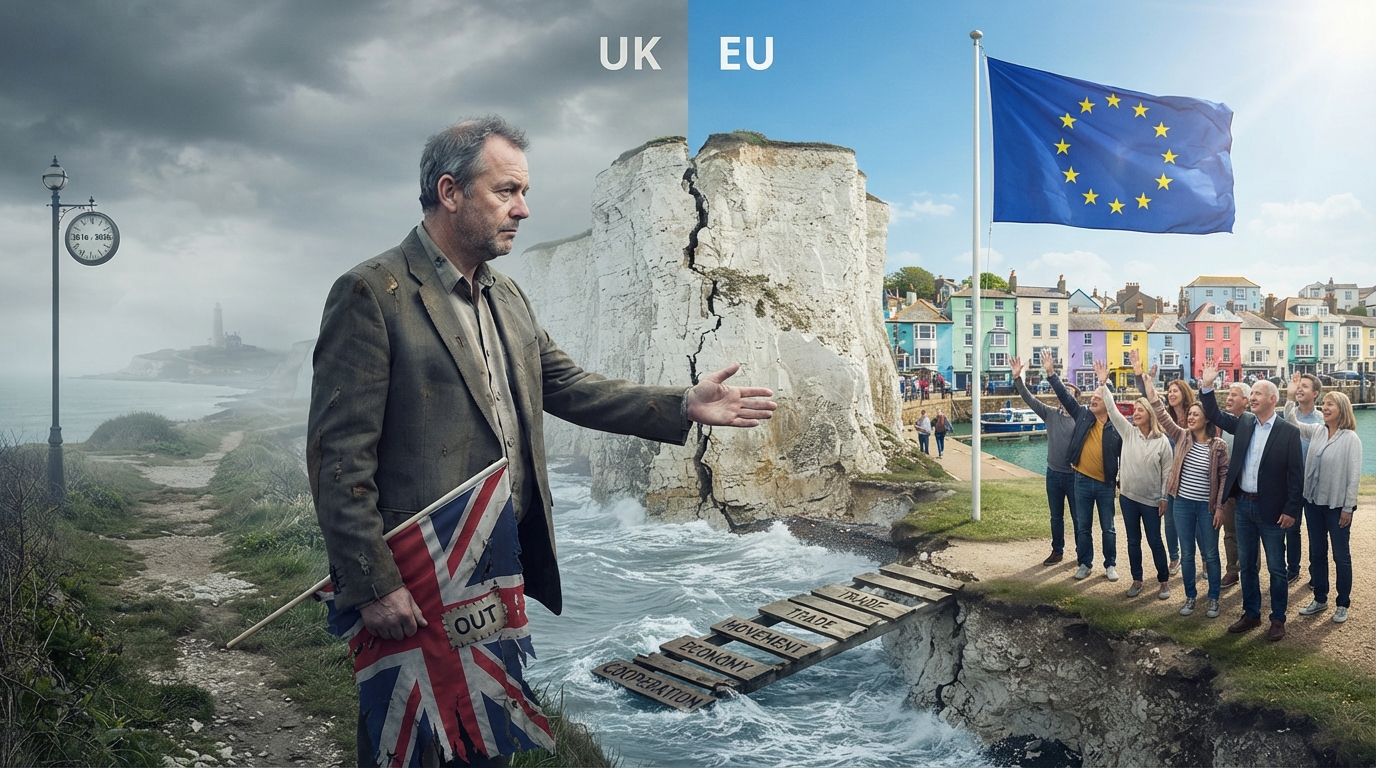
Ten years after Brexit: Why does Britain want to return to the EU?
"Brexit has done more harm than good," said British Prime Minister Andy Burnham in his speech at the Labour Party conference on September 29.
Burnham expressed his intention to review long-term relations with Europe and achieve a political consensus on the existing options. He said he would discuss this issue around the planned summit between Britain and the EU. The following day, he did not rule out that the option of a full return to the EU could also be openly discussed.
It has not even been ten years since Britain left the European Union. The referendum held in 2016 was initiated by then-Prime Minister David Cameron. In fact, there is a view that his goal was not to withdraw the country from the EU, but to exert pressure on Brussels. For the Conservatives, an actual exit scenario was not the main plan initially either.
Cameron wanted to use the threat of a referendum as a tool in negotiations with Brussels. London demanded a review of relations with the EU, more authority on migration issues, and certain privileges. However, Brussels indicated that it was not ready to deviate from the general rules. After that, Cameron decided to hold the referendum.
However, the result of the referendum surprised the British political elite itself above all. Public mood is difficult to predict accurately in advance. Voters may express one opinion in polls, but make a completely different decision in practice. Brexit was one such case. Supporters of Brexit, including politicians like Nigel Farage, argued that Britain was contributing large sums to the EU budget but receiving insufficient benefits in return.
Brexit supporters promised to restore national sovereignty, control migration, and strengthen economic independence. However, not all of these promises materialized as expected. On the contrary, new barriers to trade with the European market, labor force problems, and economic uncertainties brought additional costs to Britain. Of course, it is not correct to explain all the problems in the country's economy solely by Brexit. However, there are serious economic debates that leaving the European Union created new obstacles for trade and investment, and slowed down the development of certain sectors.