

Tehran is stepping up sanctions on ships in the Strait of Hormuz
Iran has said it could fine, detain and even seize ships that violate rules of passage through the Strait of Hormuz. Tehran has also released a list of ships it considers to be violators. The statement came amid reports that the United States has created a secret sea lane through Hormuz to transport oil.
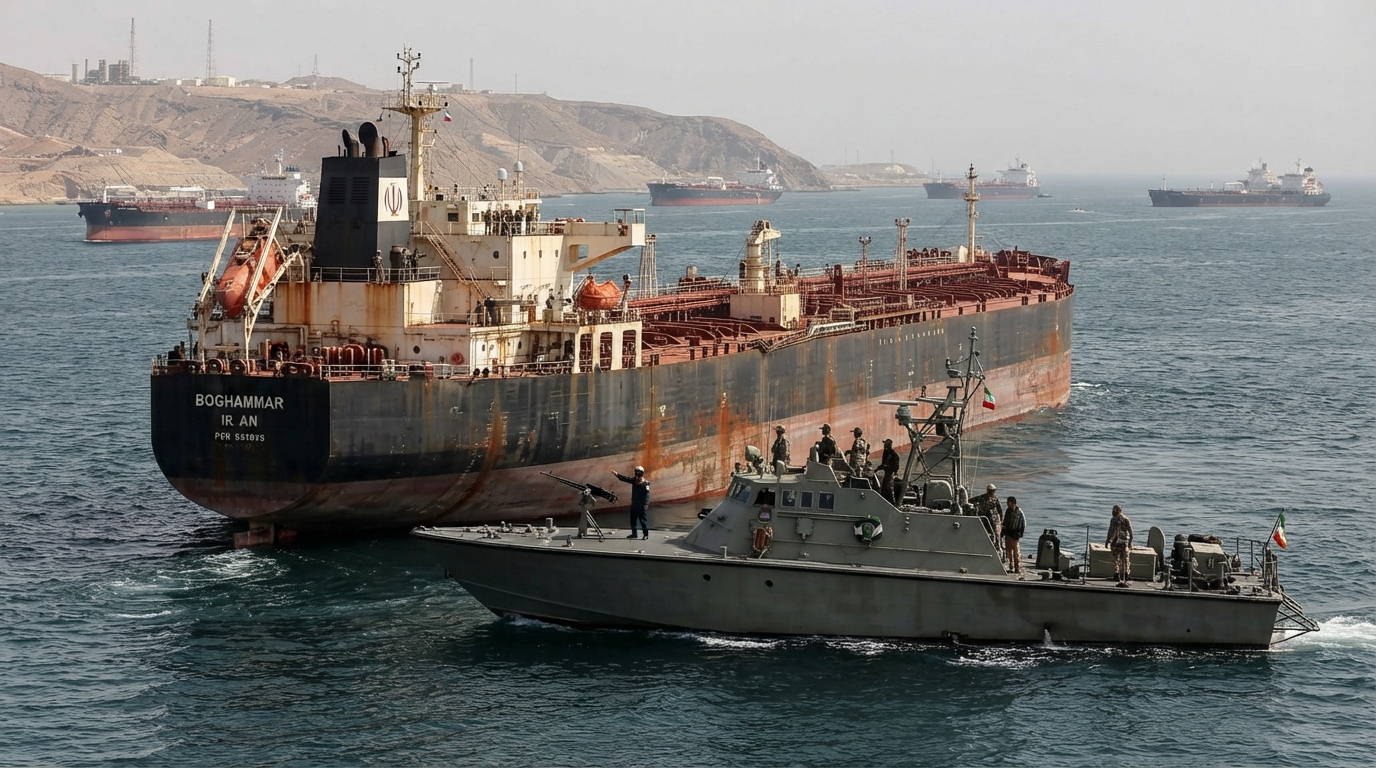
Tehran is stepping up sanctions on ships in the Strait of Hormuz.
Iran announced that it would tighten restrictions on ships that do not comply with the rules of passage through the Strait of Hormuz.
On August 23, Iran's Persian Gulf Straits Authority (PGSA) said in a statement on social media that ships that violate the rules could face various restrictions when passing through the Strait of Hormuz the next time. In particular, it said that such ships could be fined, detained and, in some cases, confiscated.
The Iranian side also called on companies engaged in cargo transportation in or outside the Persian Gulf to check the list of violators before renting a ship. A list of ships that Tehran believes have violated the requirements for passage through the Strait of Hormuz has also been published on the relevant website.
Earlier, on August 19, Axios reported that the US military had set up a secret sea route to ensure the movement of ships through the Strait of Hormuz. According to the publication, 15-20 tankers are moving through the southern channel off the coast of Oman every night. They are said to be supplying about 10 million barrels of oil to the world market per day. This is about half the volume of oil transported through the Strait of Hormuz before the war.
Axios, citing officials from the administration of US President Donald Trump, wrote that these deliveries are having a "significant impact" on the global oil market.
Earlier, US President Donald Trump announced the start of large-scale economic pressure on Iran. He said that significant sanctions could be imposed on any country that supports Tehran or continues to do business with Iran. Trump also stressed that there are currently no negotiations between Washington and Tehran.