

Swiss reject tightening of neutrality rules
In a referendum held in Switzerland, 70.15 percent of voters voted against an initiative to interpret the country's neutrality more strictly. The proposal envisaged severely limiting the possibilities of joining sanctions, as well as banning membership in and cooperation with military alliances.
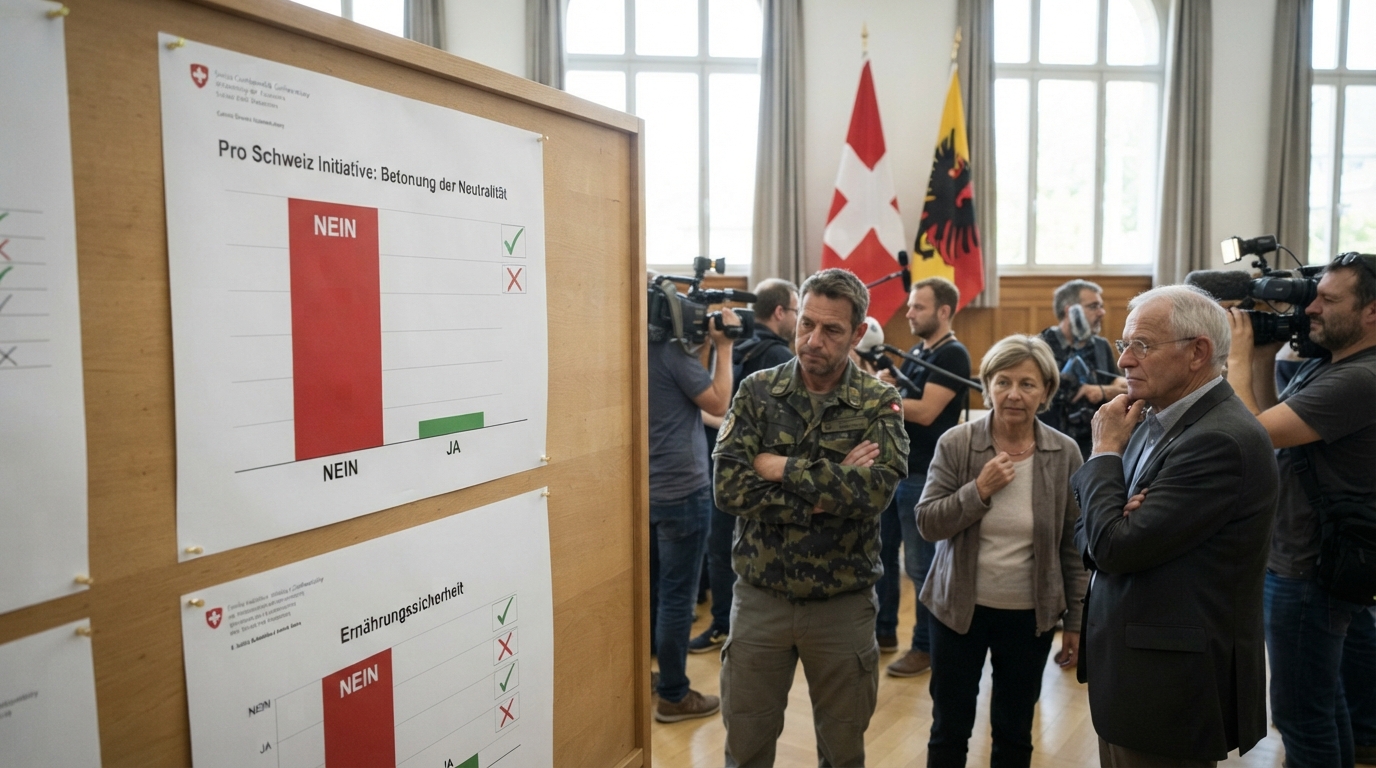
Swiss Reject Strengthening of Neutrality Rules
According to official results published on the Swiss government's website on Sunday, September 27, the "Preserving Swiss Neutrality" initiative failed to win the support of the population.
This initiative was promoted by the "Pro Schweiz" association, which is close to the right-wing conservative Swiss People's Party.
According to the authors, although neutrality is enshrined in the country's Constitution, the government weakened the principle of non-intervention by joining the European Union's sanctions against Russia due to the war in Ukraine.
The authors of the initiative proposed defining the principle of "permanent and armed" neutrality in the Constitution. This implied that the country would remain ready to defend itself militarily while maintaining its neutral status.
It also envisioned a legal ban on Switzerland joining or cooperating with military alliances such as NATO. The only exception would be if the country itself came under attack.
The initiative also envisaged comprehensive restrictions regarding sanctions. If the amendments had been adopted, the government would only have been able to introduce economic sanctions after they were approved by the UN Security Council.
Apart from the Swiss People's Party, all major political forces in the country opposed the initiative.
Foreign Minister Ignazio Cassis said in television debates that Swiss neutrality has always been applied in practice with a certain degree of flexibility.
He emphasized that neutrality should not be equated with indifference. The minister stated that Switzerland cannot turn a blind eye to violations of international law under the pretext of protecting its interests or maintaining peace.
More than 70 percent of those who voted in the referendum also did not support an initiative related to food security.