

SpaceX rocket crashes on the Moon - NASA shows new crater
A NASA spacecraft has captured images of a new crater on the surface of Earth's moon, created by the crash of a SpaceX Falcon 9 rocket earlier this month.
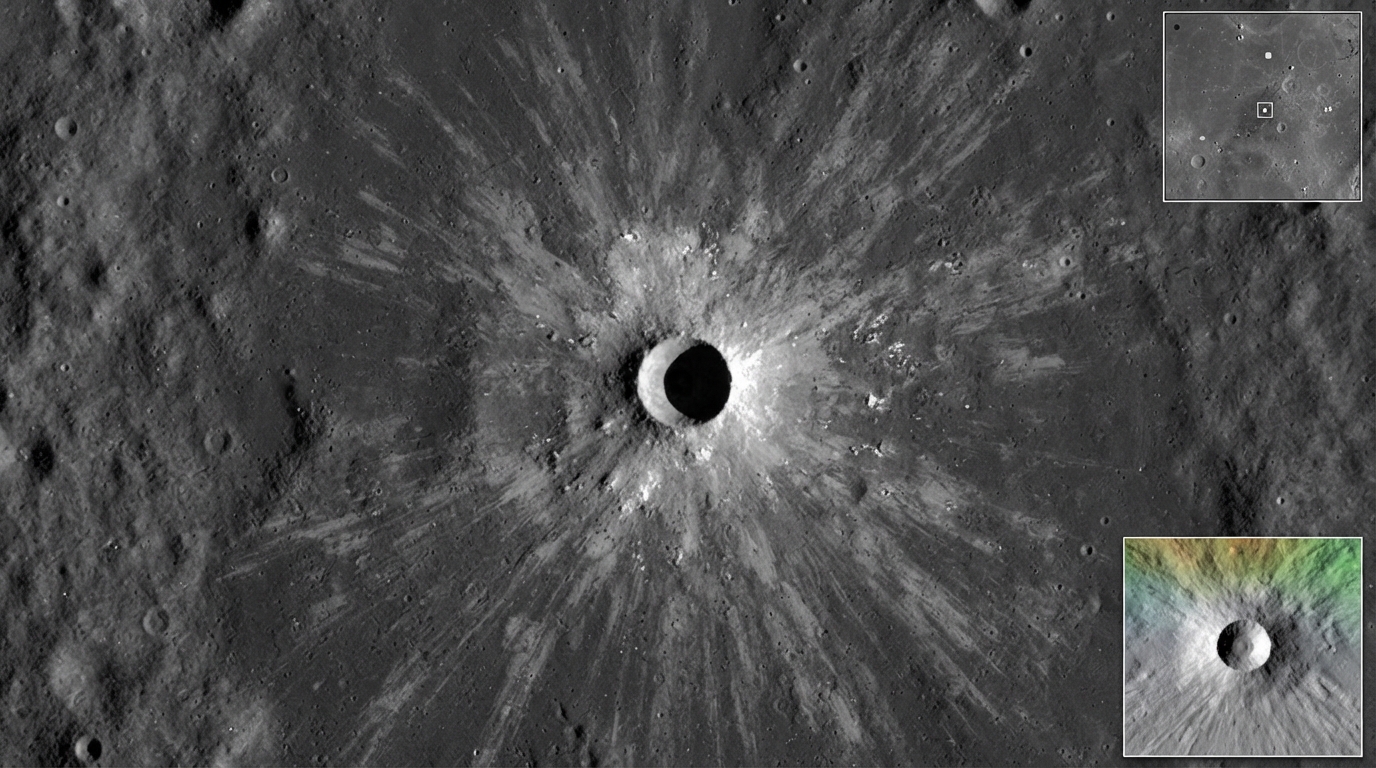
SpaceX rocket crashes on the moon: NASA shows new crater.
The upper part of the Falcon 9 rocket crashed on the lunar surface on August 5, 2026.
It was launched in January last year, delivering two landing modules with experimental equipment and small equipment to the moon. The upper part of the rocket remained in orbit, but it was inevitable that it would hit the lunar surface sooner or later. However, its current crash was not planned.
As a result of this impact, a crater appeared on the lunar surface. It was possible to photograph it a week after the crash: the photos were taken on August 11 and 12. The problem was that the Lunar Reconnaissance Orbiter spacecraft, which took the images, was moving along its orbit and had to wait for the fragments to coincide with the landing point calculated by scientists.
The first to reach the crater was the South Korean lunar orbiter Danuri. However, its images were not as clear as NASA's.
The new crater is a little more than 18 meters in diameter and about three meters deep. The lighter streaks radiating from the crater are fresh rocks and soil that have been ejected from deeper layers.
NBC News notes that the Falcon 9 rocket crash is the second known incident of rocket debris accidentally hitting the lunar surface. Before that, in 2022, a piece believed to be the upper part of a Chinese rocket hit the far side of the moon. China denies any involvement in that incident.
The rocket crash was uncontrolled, and the media acknowledges that this raises the issue of safety in space. Such space debris can pose a serious threat to the moon and other missions.