

Scientists have discovered a unique feature in the immunity of long-lived people.
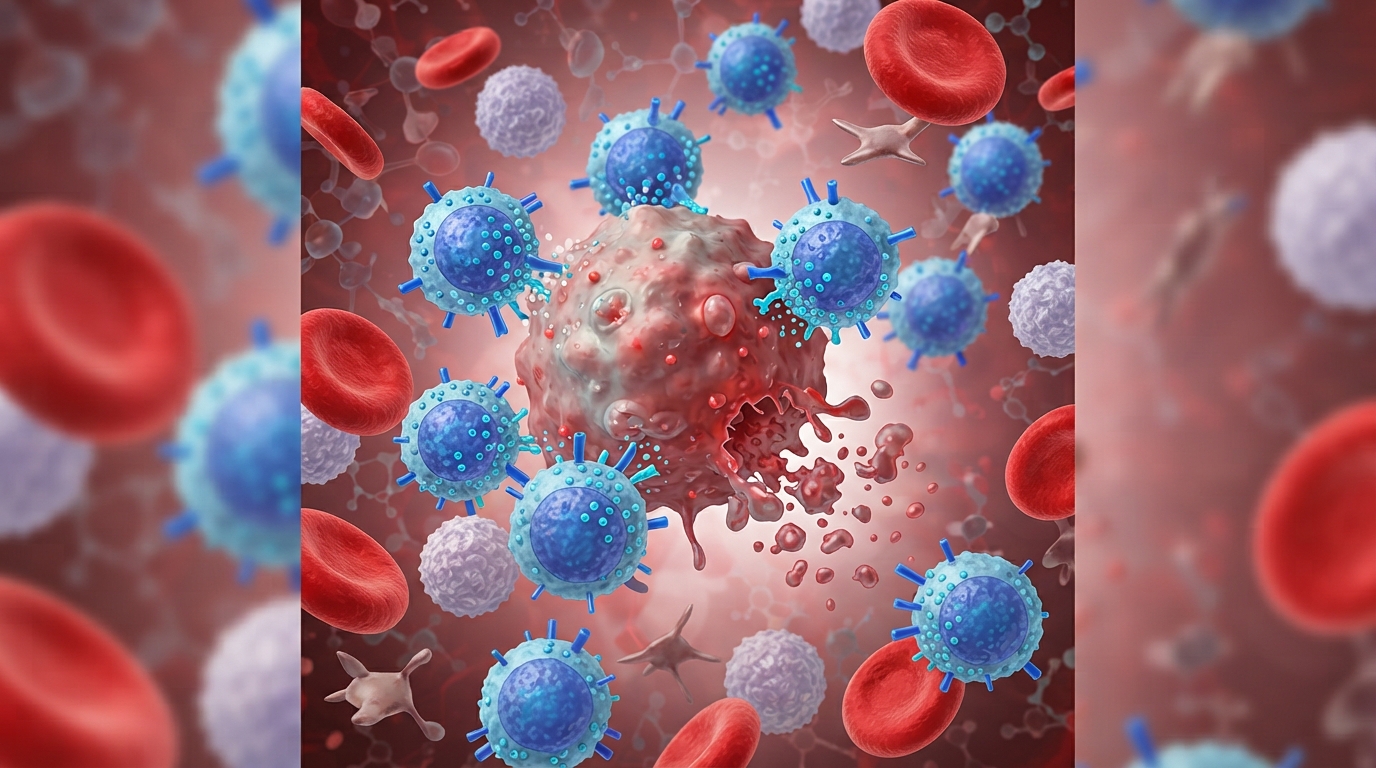
Scientists have identified a unique feature in the immune system of centenarians.
People who reach the age of 110 and older may have an unusually active immune system that retains the ability to identify and destroy potentially dangerous cells. A study conducted by Japanese scientists has shown that centenarians have a significantly increased number of rare T cells capable of destroying other cells, including potentially cancerous ones.
Researchers from Osaka University, led by biologist Kosuke Hashimoto, analyzed blood samples from 28 people, including ten centenarians aged 110 and older. In those over 100, the proportion of so-called cytotoxic CD4 T cells was significantly higher than in participants aged 70 to 90: approximately 10% versus 4%, while in those over 110, this figure reached approximately 18%.
Scientists suggest that this reorganization of the immune system begins around age 100. As we age, the body accumulates damaged and abnormal cells that can potentially lead to cancer, so the strengthening of certain types of immune cells may be the body's adaptation to these changes.
However, researchers have not yet claimed that these cells are the ones that allow people to live longer. They have found signs that some of them respond to specific immune threats, but have not been able to determine which cells or tissues are their targets. Similarities with T-cell receptors found in cancer patients suggest a possible antitumor role, but direct evidence is still lacking.
Scientists are considering the unusually active immune system of centenarians as one possible reason for their resistance to age-related diseases. However, the question remains whether this immune restructuring is the cause of exceptional longevity or, conversely, a result of the body's characteristics in people who live beyond 100.