

Schedule conflict in South Korean football: what are the players demanding?
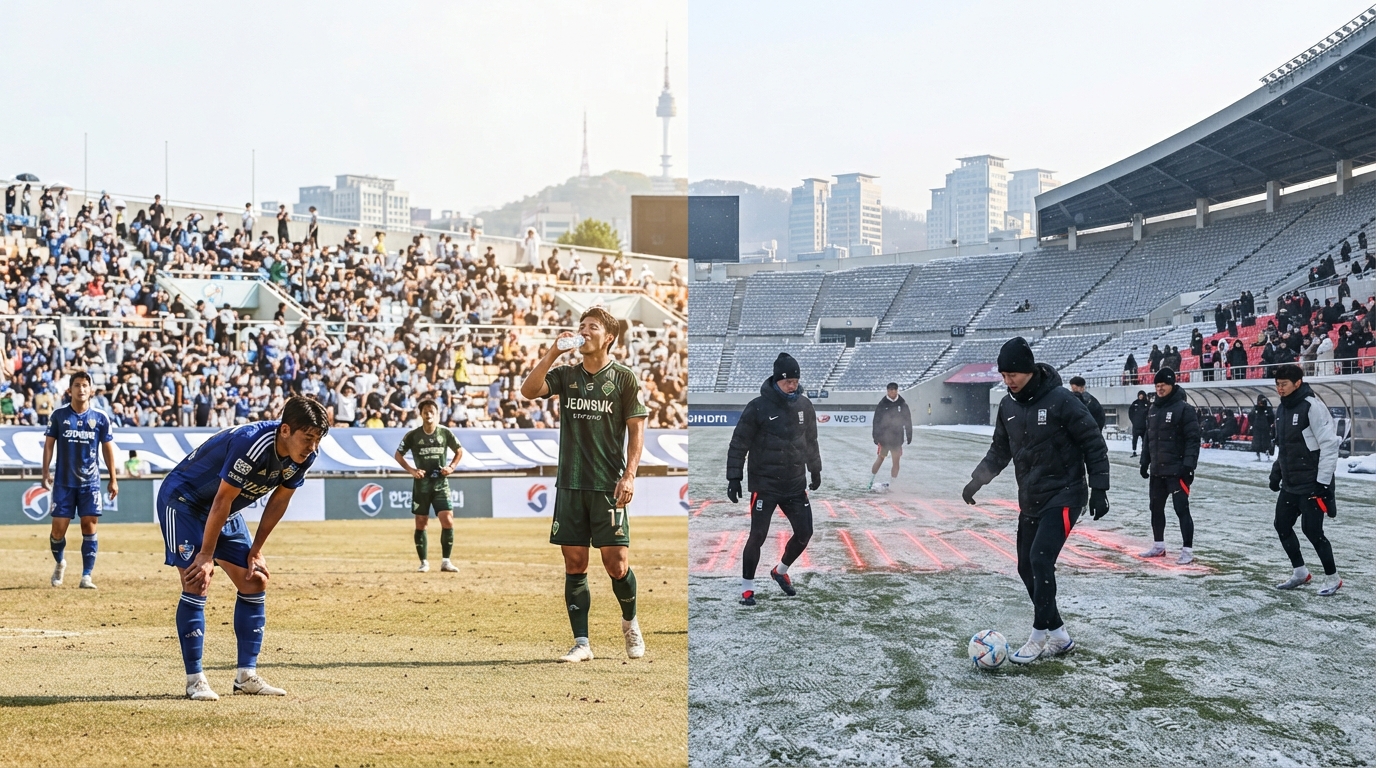
South Korean football calendar debate: What are the players' demands?
The South Korean Football Association (KFA) has proposed switching the country's football season to a fall-spring system, The Korea Times reported.
In a statement, the KFA said the move to a fall-spring system is necessary to protect players from climate change and the escalating summer heat.
The reason for this is the record-breaking heatwave in South Korea. On August 2, the temperature in the southeastern city of Yangsan reached 42.5 degrees Celsius, one of the highest ever recorded in the region. The intense heat has also forced the South Korean Baseball League to suspend games for a week.
The KFA surveyed 536 players from both the men's and women's professional leagues. 86.2 percent of them said that the heat had a negative impact on their physical condition. The most frequently reported problems among players were dizziness (64.7 percent), dehydration (56.6 percent) and headaches (32.2 percent).
The association’s president, former South Korean national team player Lee Kun-ho, said that the transition to a new calendar could be made possible by the winter break.
“Taking a break during the coldest months of winter will allow players to avoid injuries and recover better,” says Kun-ho.
However, South Korea’s harsh winters could also prevent a change in season. From December to February, temperatures drop below zero in many parts of the country and snowfall is observed. For this reason, the association is proposing to strengthen heating systems in stadiums and use hybrid turf on fields.
The Korean K-League season is currently scheduled to run from February 28 to December 6. The players are demanding a radical change to the calendar so that matches are not held during the hottest part of the summer in the future.