

Russia will intensify hybrid warfare against the West in the coming months — Danish intelligence
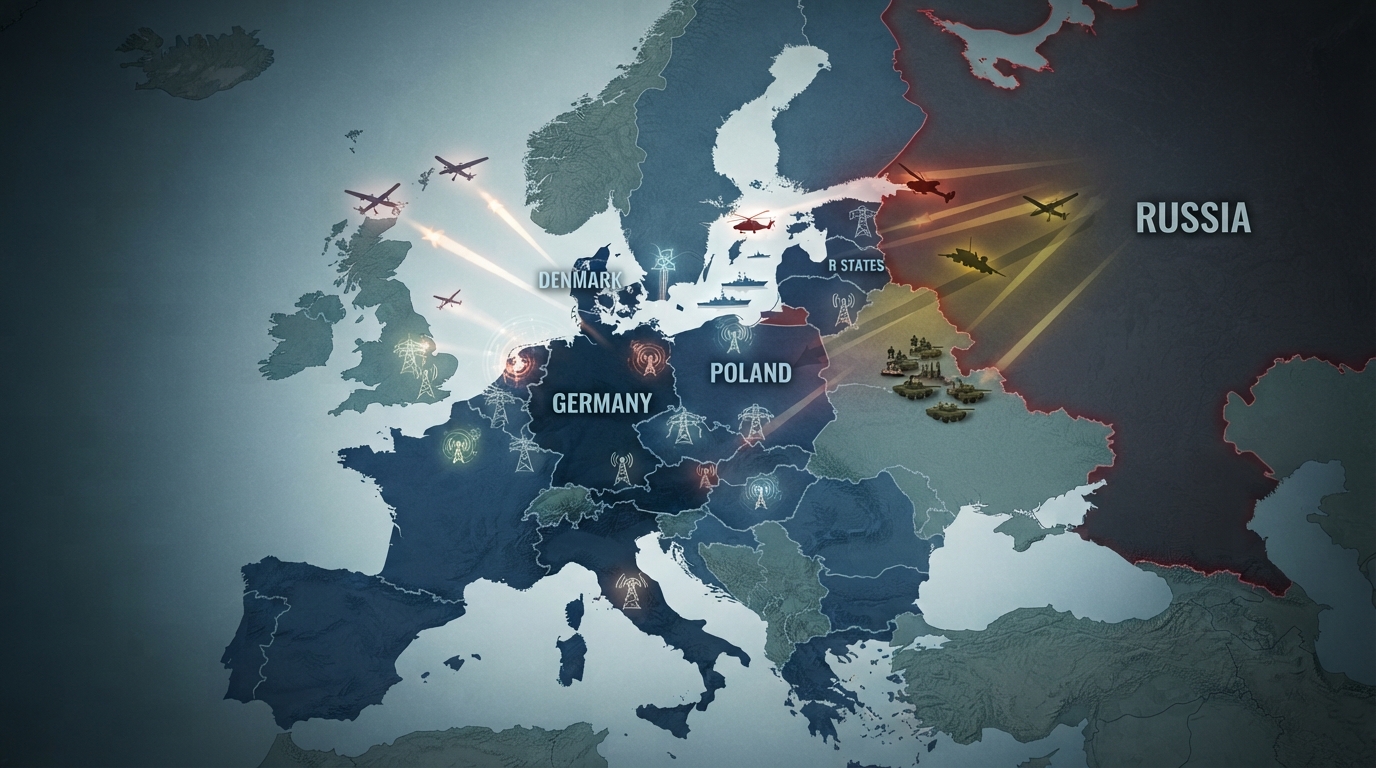
Russia may intensify hybrid warfare against the West in the coming months — Danish intelligence
There is a possibility that Russia will intensify its hybrid warfare against the West in the coming months. This was stated in a report published by the Danish Defence Intelligence Service on September 24.
Recently, hybrid warfare and acts of sabotage have once again come into focus in Europe. Germany recently accused Russia of an attempted drone attack on Leipzig/Halle Airport. Following this, European Union members called for new sanctions against Moscow.
Moscow, however, has repeatedly denied any involvement in hybrid warfare, planning sabotage, or conflicts in NATO countries.
Number of attacks expected to increase
According to the Defence Intelligence Service, Russia is expected to launch more frequent attacks against the West and NATO. The consequences of these attacks will be more severe than before. Additionally, while the likelihood of Russia striking NATO member states on its borders remains low, such a risk is gradually increasing.
"A limited military attack would be a step taken by Russia out of desperation. It, like intensified hybrid attacks, could occur in the coming months," the report says.
The head of the intelligence service, Thomas Ahrenkiel, said such attacks could include strikes with long-range weapons or drones on infrastructure supporting Ukraine. It is also not ruled out that false flag operations could be staged using Ukrainian drones.
He added that Russia could also deploy a small number of troops to the NATO border under the pretext of protecting minorities in the country.
"The goal is not to conquer the country, but to divide NATO," Thomas Ahrenkiel said.
Last week, the Danish military reported that a Russian frigate in international waters fired flare rockets twice toward a Danish military helicopter. One of the rockets flew very close to the aircraft.