

Russia rejects Ukraine's offer for ceasefire in Black Sea
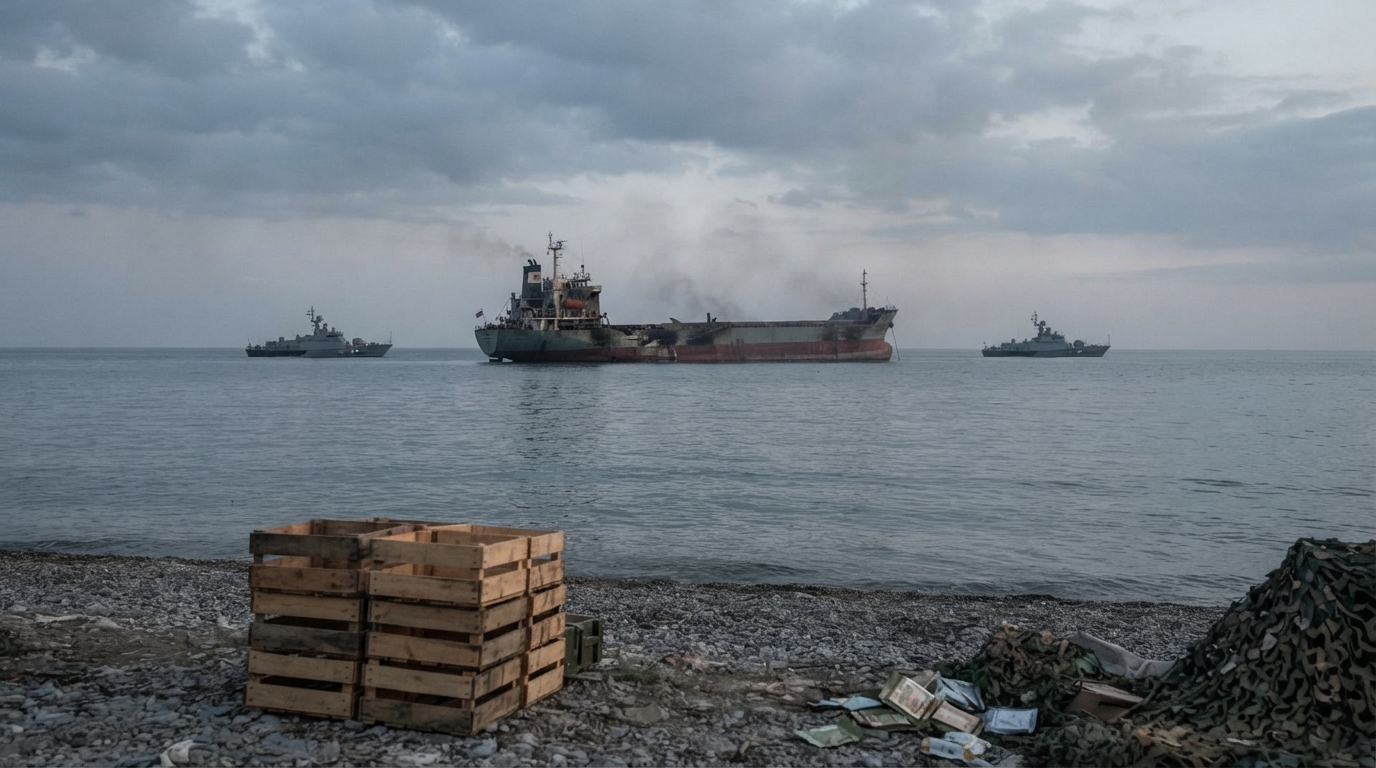
Russia on August 14 rejected Ukraine's proposal for a ceasefire in the Black Sea. The country said it saw no reason for such "half-measures" because they would give the other side a break, Reuters reported.
In recent weeks, Russia and Ukraine have stepped up attacks on merchant ships in the Black Sea, which has led to a surge in world grain prices. In a statement, Russian Foreign Ministry spokeswoman Maria Zakharova accused Ukraine of "outright terrorist acts" against the ships, but did not address Russia's own attacks.
Zakharova said: "We consider these (Ukraine's) attacks to be a policy carried out with the explicit consent of its regional neighbors. This policy is aimed at further aggravating the situation, prolonging the conflict and disrupting the movement of civilian ships in the Black Sea region."
She added: "At the same time, we do not see any signs of improvement in the situation. Therefore, there is no basis for half-measures that would temporarily give the Kiev regime a breather."
Zakharova was responding to a statement by Turkish Foreign Minister Hakan Fidan in an interview with the media. Fidan said that Ankara had made proposals to Russia and Ukraine to impose a moratorium on military operations in the Black Sea. Zakharova noted that Russia had not received any official proposal from Turkey.
On August 13, Reuters reported that Ukraine had sent a proposal to Russia through a third party. The proposal provided for both sides to stop attacks on civilian objects in the Black Sea.
Zakharova said that it was impossible to return to the Black Sea Grain Initiative for 2022-2023, which was brokered by Turkey. This agreement allowed Russia and Ukraine, major grain exporters, to continue supplying products to world markets.
The spokesman called the deal unilateral, saying it was broken after Russia accused Ukraine and the West of not complying with the terms of the agreement.