

Residents warned not to drink tap water after hundreds fall sick near South Africa capital
More than 400 people, mostly children, become ill after drinking contaminated water, east of Pretoria.
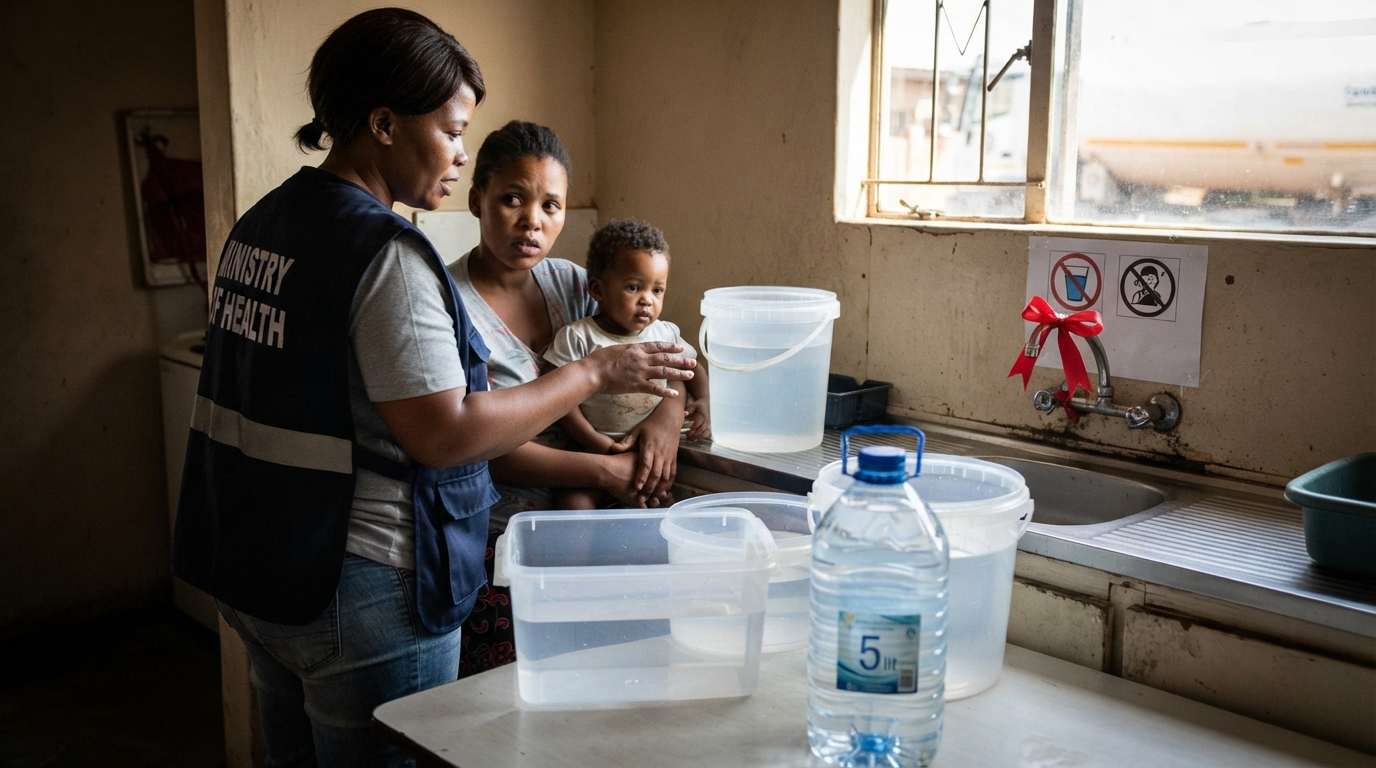
Residents told not to drink tap water after hundreds fall ill near South Africa’s capital
Tests detected traces of E. coli in water supplied to people living near Pretoria
People living near South Africa’s capital, Pretoria, have been advised not to drink or use tap water for cooking after more than 400 people, mostly children under four, became sick after consuming contaminated water.
Officials said the cases were identified in Tshwane, the district that includes Pretoria, after patients went to their local hospital over a two-week span with "stomach cramps and diarrhoea".
No deaths have been reported, but the water was found to contain high levels of E. coli.
Tshwane has experienced several outbreaks of waterborne disease in recent years. In 2023, a cholera outbreak in a township just outside Pretoria killed 29 people.
That outbreak, in Hammanskraal, was tied to poor water purification practices.
In 2025, officials confirmed 48 typhoid cases in the same area east of Pretoria. The cause of that outbreak is still unknown.
No cholera bacteria have been detected in the latest cases.
In a joint statement on Monday, the departments of water and health said 408 cases were recorded between 7 and 18 October across about five townships.
They said laboratory tests "indicate that the illness has been caused by residents being exposed to contaminated water" from a local water treatment facility that supplies several communities east of Pretoria.
Tests on samples found norovirus, campylobacter, shigella and "other pathogens that cause stomach cramps and diarrhoea", officials said.
Early investigations by the team found that local authorities had not warned residents about the contaminated water.
The water supplied to the area has been declared unsafe for human consumption, and officials urged residents to use it only for flushing toilets. Tankers have been sent to provide clean drinking water.
"Previously stored water should be discarded, and water containers must be disinfected using household bleach," officials said.