

Presidential pardon for French alleged spy accused of plotting Mali coup
France is yet to comment on Yann Vezilier's pardon and previously called the accusations "unfounded".
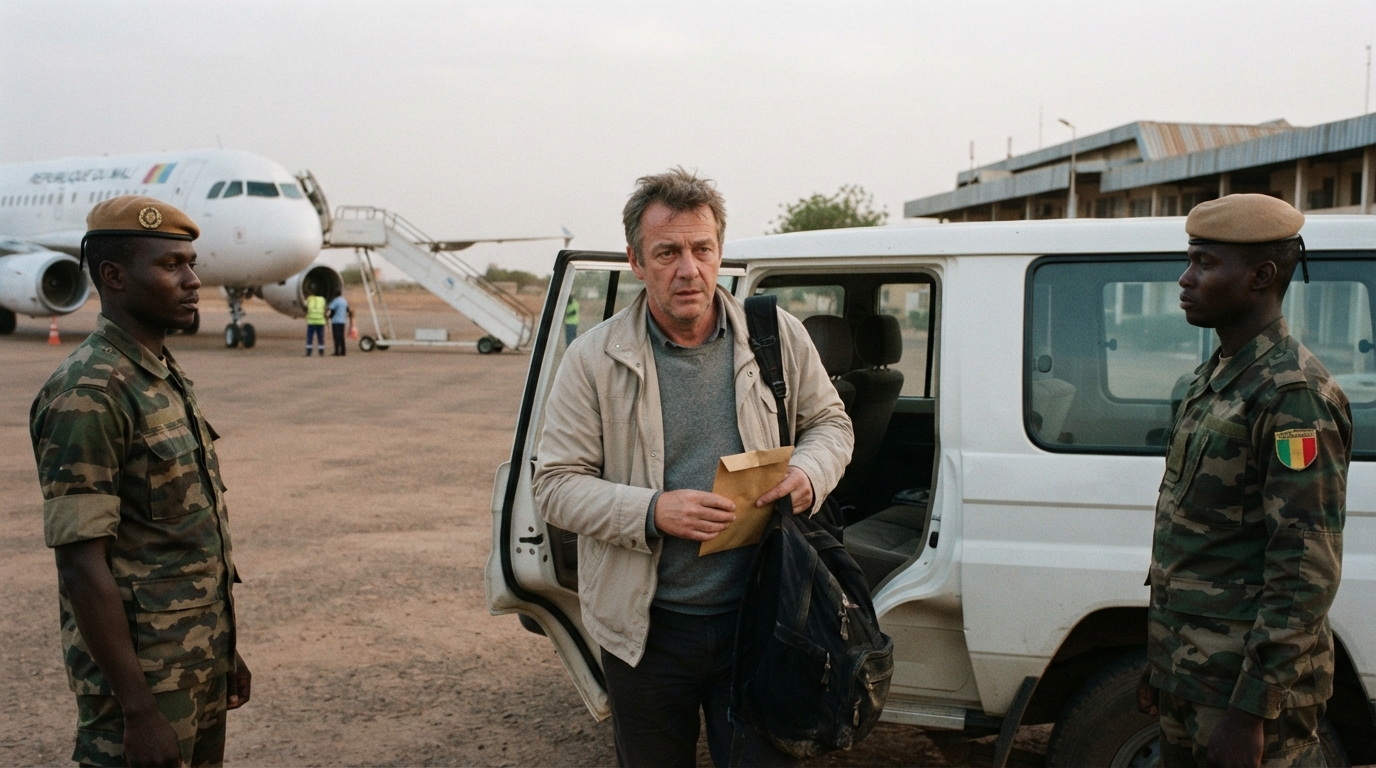
A French national, Yann Vezilier, who had been handed a 20-year prison sentence in Mali for allegedly orchestrating a coup, has received a presidential pardon, an announcement made on Thursday confirmed.
Vezilier was accused a year prior of attempting to destabilize President Assimi Goïta's administration "on behalf of the French intelligence service," reportedly in collaboration with several army generals and dozens of soldiers. The reasons behind Mali's sudden change of heart remain undisclosed.
France's foreign ministry has not yet commented on the pardon. Previously, it had dismissed accusations of Vezilier acting as a French spy in Mali as "unfounded."
In a Facebook post, the Malian government stated: "This act of clemency, which does not call into question the facts established by an adversarial judgment rendered during a trial, where all rights of the defence were respected, is accompanied by the immediate removal of the individual from national territory."
Mali, a former French colony, has been grappling with a security crisis fueled by an Islamist insurgency since 2012. This crisis was cited as a reason for Goïta's 2021 coup, yet attacks by jihadist groups have persisted and even intensified.
At the time of the arrests last year, Mali's Security Minister Gen Daoud Aly Mohammedine stated that "fringe elements of the Malian armed security forces" had been detained for attempting to "destabilise the institutions of the republic." The minister added that "these soldiers and civilians" had allegedly secured "the help of foreign states." Vezilier was said to have acted "on behalf of the French intelligence service, which mobilised political leaders, civil society actors and military personnel" in Mali, according to the minister.
Political tensions and the security crisis in Mali have worsened. In April, the country's defense minister was killed in an apparent suicide truck bombing at his residence near the capital, Bamako, amidst a wave of militant attacks. Goïta subsequently appointed himself defense minister, seemingly to consolidate his already significant power. When Islamist fighters besieged the capital, they managed to impose a partial blockade there and total blockades in other areas, including the city of Ségou.
Last May, the junta dissolved all political parties following rare anti-government protests, an action former Prime Minister Moussa Mara described as a severe setback to reconciliation efforts initiated by the military leaders. Goïta had pledged to hold elections within two years of seizing power, but these have not materialized. Last July, the transition period was extended by five years, allowing him to remain in power until at least 2030.
Alongside its neighbors Niger and Burkina Faso, Mali has sought assistance from Russian allies to combat jihadist attacks in the region after severing ties with France, but no significant improvements in security have been observed.