

Parliamentary elections have begun in Israel: Will Netanyahu retain his post?
On October 27, the most important and tense parliamentary elections in Israel's history began. Voters are casting their ballots to determine the new composition of the 120-seat Knesset.
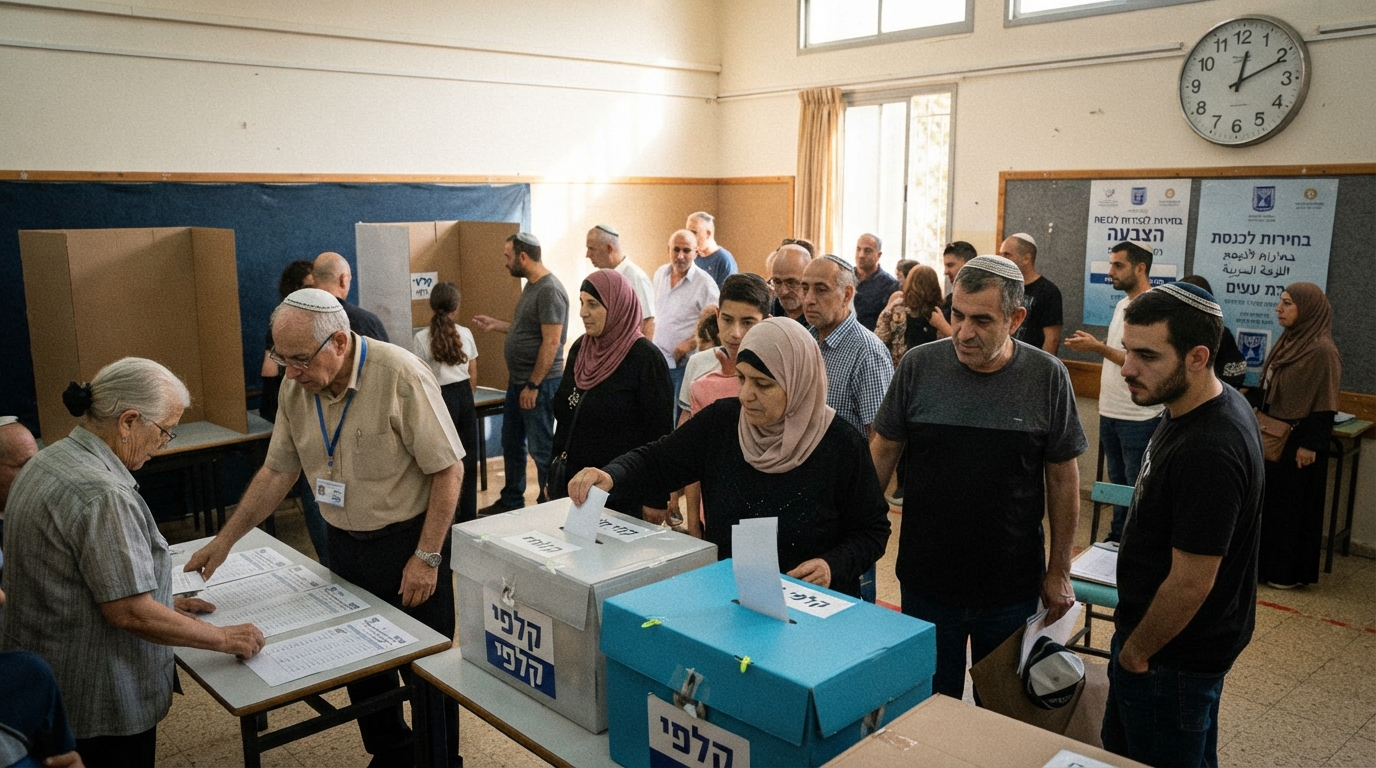
Parliamentary elections have begun in Israel: Will Netanyahu retain his post?
According to data provided by the Israeli Central Elections Commission, 31.5 percent of 7.3 million voters cast their ballots by 12:00 — the highest figure for this time since the 1970s. After polling stations close at 22:00 local time (01:00 Tashkent time), exit poll results will be announced, with full results expected on October 29.
In the history of Israel, no single party has ever won a 61-seat majority alone, which is why the main struggle is taking place between blocs.
In the latest polls by three major TV channels on October 23, the coalition led by Prime Minister Benjamin Netanyahu received 50 seats, while the opposition bloc received 52–56 seats. The 14–16 seats of Arab parties are not included in this count: most leaders of the two blocs rejected an alliance with them. Only the poll by Channel 14, which is close to Netanyahu, gave a majority to the ruling coalition. If no one can form a government, new elections will be held at the beginning of 2027, until which time Netanyahu will remain as interim prime minister.
Many view this election as a verdict on Netanyahu. Having led the government for a total of 19 years, Netanyahu is Israel's longest-serving prime minister. He is on trial for corruption charges, but he denies the allegations.
Netanyahu built his campaign around the issue of security. He stated that only he, together with US President Donald Trump, can lead the war against Iran. He also warns that a Palestinian state will be created if his opponents win. Trump also openly supported Netanyahu on October 18 and 25, writing: "We must finish what we started!"
Netanyahu's main rival is Gadi Eizenkot, the former Chief of the General Staff of the army and leader of the Yashar party. In polls by three major TV channels, Yashar leads Likud (19–21) with 22–23 seats.
Eizenkot promises to establish a state commission of inquiry to investigate the mistakes of October 7 and to draft the ultra-Orthodox into military service as well. The opposition bloc also includes former Prime Minister Naftali Bennett's "Together" alliance and two other parties. However, the bloc has not officially declared a single candidate.