

'Onion cartel' in Philippines fined $28m for price shock
Onions were worth more than the daily minimum wage at the height of the price surge in 2022.
'Onion cartel' in Philippines fined $28m for price shock
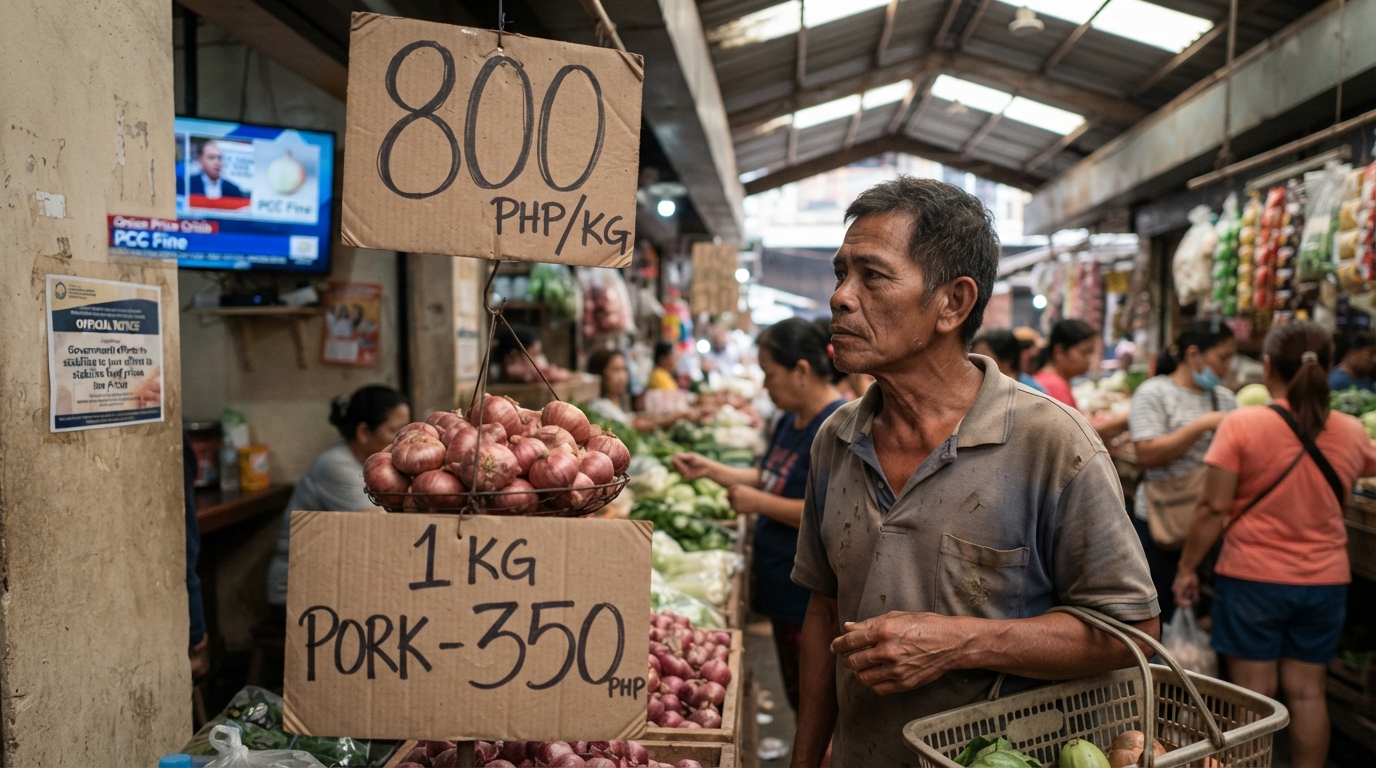
In late 2022, onion retail prices surged past the price of meat
Filipino authorities say they have fined six companies 1.76 billion pesos ($27.9m; £21m) for forming an "onion cartel" that caused the price of the vegetable to skyrocket.
In 2022 the price of onions, a staple of Philippine kitchens, climbed to a record 800 pesos per 1kg, exceeding the country's daily minimum wage and overtaking the price of meat.
The crisis put pressure on then newly-elected President Ferdinand Marcos Jr, who had promised to bring down surging food prices.
The Philippine Competition Commission (PCC) said Wednesday the fine against the companies, made up of onion importers and storage and shipping firms, was the largest since its formation in 2016.
For months from late 2022 into early 2023, onions vanished from restaurant menus and became the target of smuggling attempts.
The bulbous vegetable even turned into something of a status symbol, having been used on at least one occasion as a wedding bouquet.
Authorities approved the emergency import of onions and Marcos vowed to go after those behind the shortage, saying there were "Filipinos dying from starvation and poverty because of what they are doing".
The crisis ended as local bumper harvests reached the market later in 2023 and prices steadied.
A parliamentary committee tasked to investigate the price crisis said a cartel was behind the "artificial" surge in onion prices.
The PCC said evidence recovered during raids on the companies showed that the six firms had collectively controlled nearly 50% of all approved import clearances for onions in 2020 and 2021.
The companies were involved in an "illegal market allocation scheme in the importation, cold storage, and whole sale distribution", the commission said.
The hefty fine shows a "commitment to holding cartels accountable across all sectors of the economy and protecting consumers from the harmful effects of anti-competitive conduct", the PCC said.
The commission also said that offenders may also be criminally prosecuted by the Department of Justice.