

Nigerians die after inhaling toxic fumes during alleged pipeline theft, community group says
The authorities are yet to determine an official death toll, but some reports say at least 37 are dead.
Nigerians die after inhaling toxic fumes during alleged pipeline theft, community group says
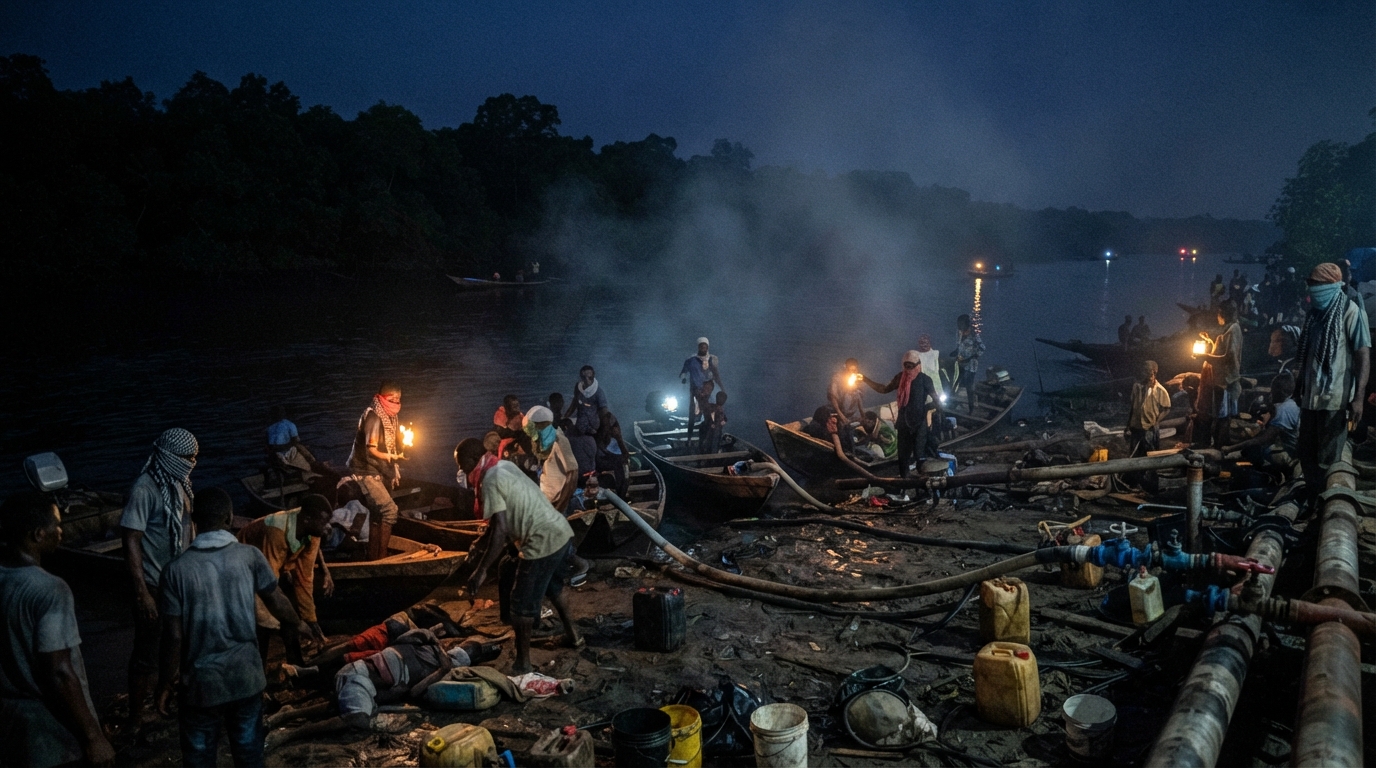
People watched anxiously as locals organized a rescue effort
At least 37 people have died after inhaling toxic fumes while allegedly stealing petrol from a pipeline in Nigeria's Rivers State, an environmental group in the oil-rich region says.
Many are still missing after more than 100 people went to Okari Jetty in Okrika in small boats to collect the refined fuel under cover of darkness, according to the Youths and Environmental Advocacy Centre (YEAC).
The police told the BBC that an investigation was under way to determine how many people were affected after reports that people collapsed, with local accounts saying some fell into the Bonny River while others were taken to hospital.
Pipeline theft has been a longstanding problem in Nigeria's oil hub.
Rivers is one of several states in the southern Niger Delta region, a vast expanse of swamps and wetlands with huge oil and gas reserves along Nigeria's coast.
For years, criminal groups have tapped pipelines and siphoned crude oil or other petroleum products into boats and storage tanks to sell on the black market or take to illegal refineries.
The YEAC said its network of volunteers and human rights defenders reported that people in Okrika had died after inhaling what is locally known as "Indorama fuel", a form of refined petrol known as PMS (Premium Motor Spirit).
Nigeria's Security and Civil Defence Corps (NSCDC) has urged the public and media to rely on verified information as it works with other security agencies to establish what happened in the early hours of Thursday morning.
It condemned illegal tapping and siphoning, warning that such activities put lives, the environment and the economy at risk.
Similarly, many campaigners have blamed the practice for contributing to environmental damage.
The government has stepped up operations against oil theft in recent years.
On Thursday, the director of navel information, Capt Abiodun Folorunsho, warned thieves there was "no hiding place" from the navy, which patrols the waterways and coastal areas of the Niger Delta.
"Their days are numbered, and if we catch you, of course, we'll ensure that you face the law," he said in an interview with Nigerian broadcaster Channels TV.
While the Nigerian navy has increased maritime security operations, the military and other security agencies have carried out operations against oil thieves, who often hid out in the area's dense mangrove forests.
Nigeria is trying to increase oil production after years of problems caused by theft, insecurity and underinvestment.
The country aims to raise production to about three million barrels per day by 2030 and is relying on better security and reforms to attract new investment.