

NATO Secretary General warned of risks of simultaneous crises in Europe and Asia
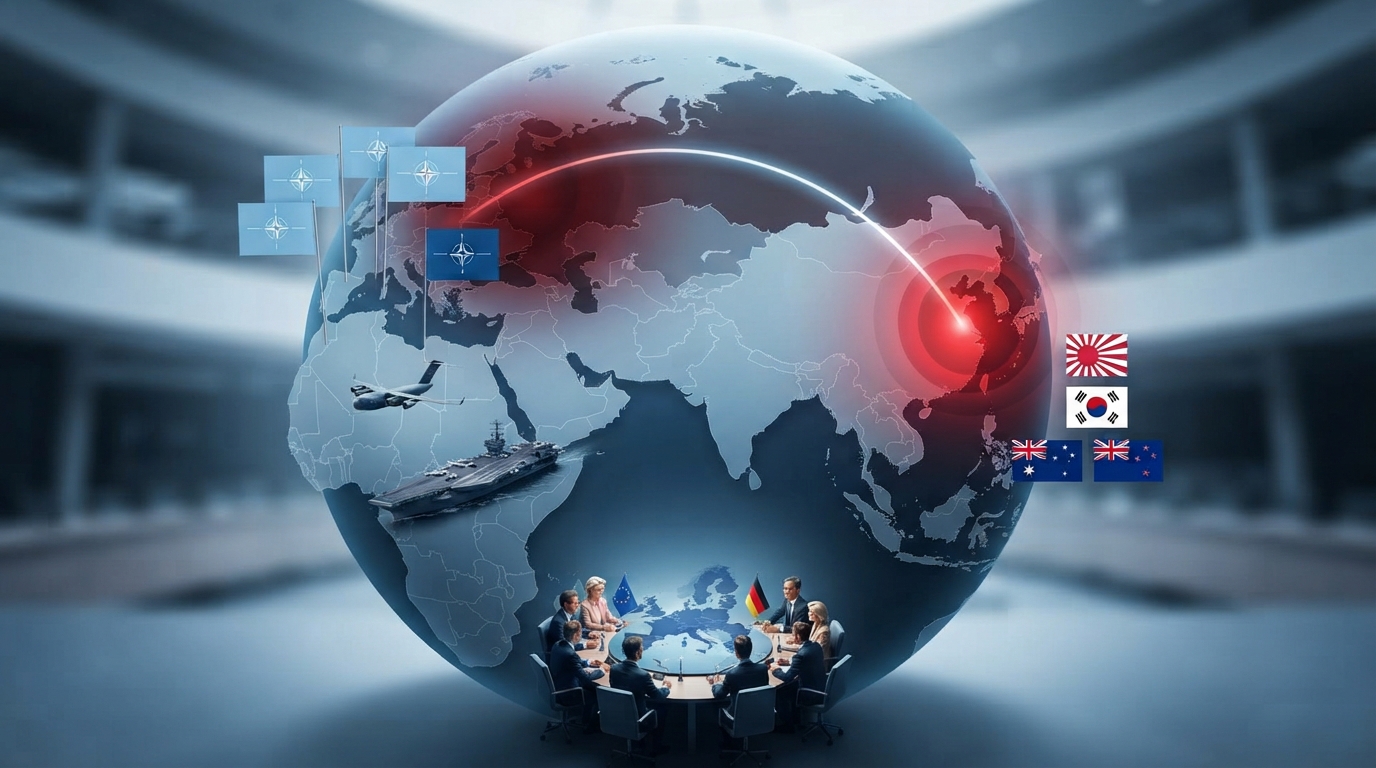
NATO Secretary General Mark Rutte warned of a likely scenario in which, in the event of Chinese military action against Taiwan, Russia could destabilize the situation in Europe to divide the attention of Western countries. According to him, such a development requires the alliance to be ready to act simultaneously in two strategic directions.
Speaking at a conference of heads of German diplomatic missions, Rutte noted that threats from Russia in the Euro-Atlantic region and a potential conflict in the Indo-Pacific region are closely linked. If Beijing takes steps regarding Taiwan, it could leverage the Russian leadership to create tension in Europe in order to divert the resources of the United States and European states.
The head of the organization emphasized that Washington is forced to distribute military resources among several strategic zones, including Europe, the Western Hemisphere, and the Pacific Ocean. Therefore, European countries need to take more responsibility for their own security and build up their defense capabilities to fill potential gaps when American forces are redirected.
Rutte also clarified that a possible strengthening of NATO's cooperation with partners in the Indo-Pacific region, such as Japan, South Korea, Australia, and New Zealand, does not mean extending collective defense guarantees to Taiwan. The alliance still views Russia as a long-term key threat, while simultaneously taking into account the growing cooperation between Moscow, Beijing, Pyongyang, and Tehran in its security planning.
Earlier, European Commission President Ursula von der Leyen proposed creating a European Security Council with the participation of EU leaders and partner states. She made the corresponding initiative during her annual address to the European Parliament.