

NATO is discussing striking inside Russia — WSJ
For the first time in history, the Alliance's military command revised its strategy for deterring Russian aggression at a symposium. Under the new plan, defense encompasses not only guarding the border but also delivering precision strikes against military and industrial targets inside enemy territory.
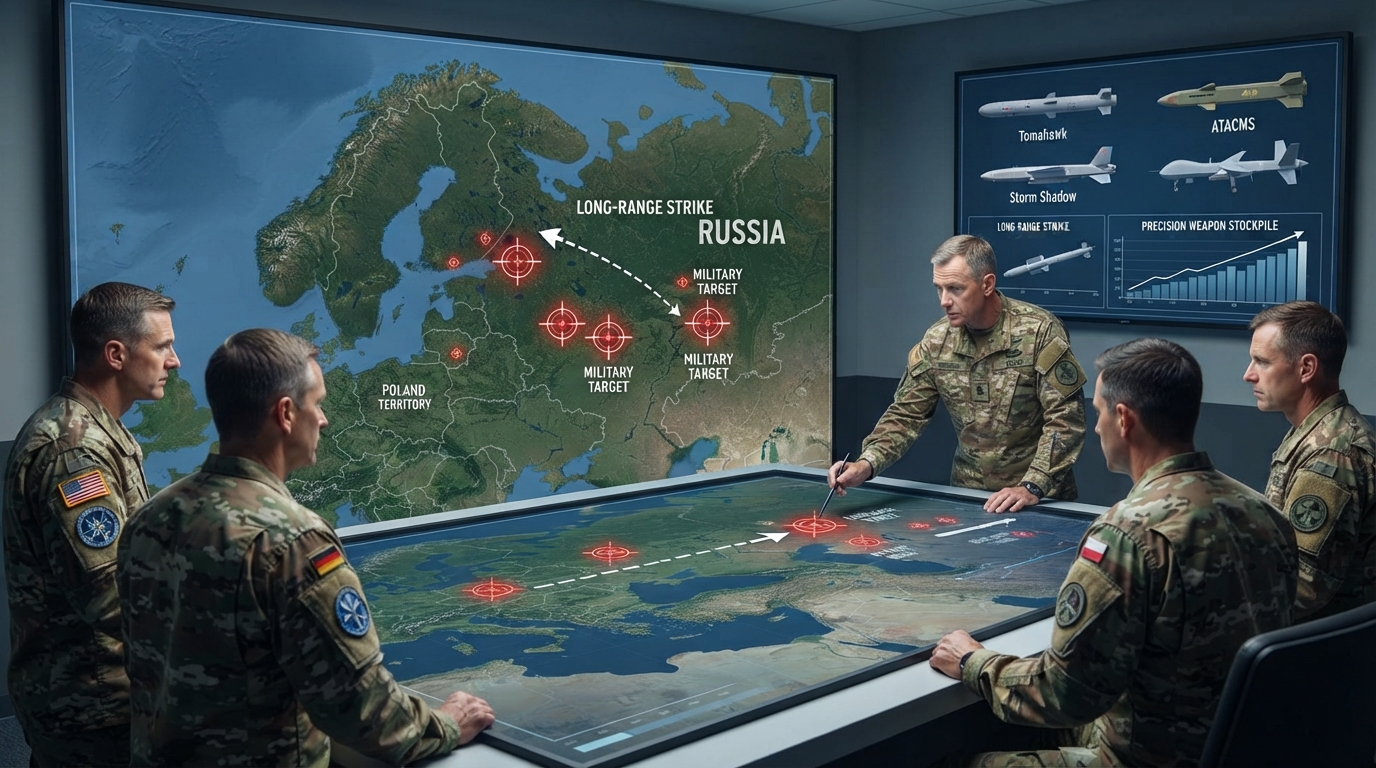
**NATO is considering options for striking Russian territory — WSJ**
The wars in Ukraine and the Middle East are changing NATO's strategic approach. The Alliance is discussing possibilities for striking deep inside Russia in response to a Russian attack. The Wall Street Journal wrote about this.
In June, NATO command held the first-ever Deep Strike symposium. The event took place under the leadership of US Air Force General Alexus Grynkewich. It considered the issue of striking not only the border to defend NATO territory, but also military bases and industrial facilities inside Russia.
It is noted that NATO defense forces will first stop the first wave and then destroy the enemy system.
“We will destroy the entire military system we are working against and any facility that supports it,” Grynkewich said.
The US is modernizing Tomahawk and Atacms missile systems. European countries have also begun to increase their stocks of Storm Shadow, Scalp, and Taurus cruise missiles. Forty-eight new low-cost cruise missile projects have been announced across six European countries.
Military experts say deep strikes will cover distances of hundreds of kilometers. This means destroying airbases, military camps, and energy facilities inside Russia using missiles and drones.
Ukraine is already striking military and economic targets inside Russia. For this, the country is using domestically produced Flamingo missiles and drones. Ukraine's ambassador to NATO, Alyona Getmanchuk, stated that air defense is not enough.
“Air defense is like a painkiller. It relieves symptoms, but you have to hit the source of the pain,” Getmanchuk said.
Polish General Ireneusz Nowak also emphasized the importance of retaliatory strikes in war.
“The signal must be this: don't be stupid, or we will punish you. But for this, we must have a real capability,” Nowak said.
Military leaders support this strategy. However, some politicians may back away from the decision to strike inside Russia. Niko Lange, a former official at the German Ministry of Defense, said there is a gap between military plans and the views of politicians.
History and current wars have shown that having an adequate stockpile of precision-strike weapons is essential in long-term conflicts. NATO command plans to build these capabilities faster to deter the enemy.