

Meeting between Iran and Arab states on Hormuz postponed
**Meeting of Iran and Arab States on Hormuz Postponed**
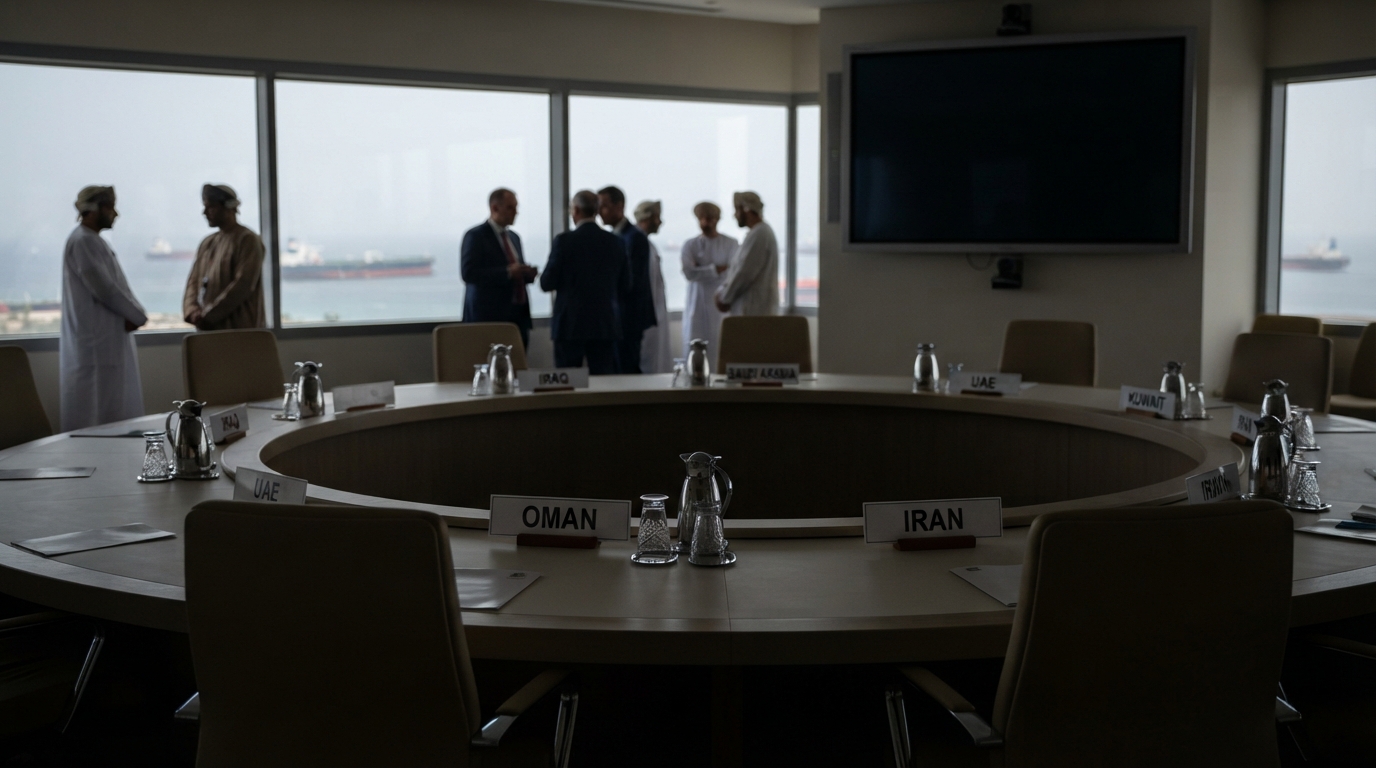
Oman announced on September 14 that the meeting scheduled to be held between Iran and the Gulf countries has been postponed. This negotiation was supposed to be dedicated to the Strait of Hormuz, which has become the tensest point of the war in the Middle East.
The Iranian Ministry of Foreign Affairs had previously reported on the meeting to be hosted by Oman. It was planned to discuss the future of the strait, which is extremely important for global oil and gas flows.
Tehran stated that Iraq and the Gulf states would participate in the negotiations, but did not disclose exactly which countries would attend. No country in the region confirmed its participation, while Bahrain said it would not attend the meeting.
"It was decided to postpone the regional meeting, which was scheduled to be held in the city of Salalah on Monday, to a later date. This was done in order to create suitable conditions for a constructive dialogue," the Omani news agency said in a statement.
Omani Foreign Minister Badr al-Busaidi made a statement on his X page. He said he would continue to support dialogue that ensures stability and long-term cooperation in the region.
A large-scale war began in the region after the US and Israel struck Iran on February 28. Iran closed the Strait of Hormuz, and later the US imposed a naval blockade against Tehran. An interim agreement reached between Washington and Tehran in June collapsed due to disagreements over Hormuz.
It has been more than six months since the war in the Middle East began. Due to the closure of Hormuz, oil prices continue to rise and exceeded $100 a barrel this week. Oman and Iran have been discussing the management of this vital waterway for several weeks.
Before the war, passage through the strait was free. Now, Iran requires ships to obtain permission and is considering a mechanism for charging service fees. Iran regularly strikes ships that do not comply with the demand. The US, meanwhile, periodically bombards the Iranian coast to resist Tehran's control over the strait.
**Oman Proposes Alternative Gas Routes Bypassing Hormuz**
Oman's energy minister made a statement at a meeting of gas producers and traders. He said alternative routes bypassing the Strait of Hormuz are needed for liquefied natural gas (LNG) exports. This was prompted by the disruption of shipments due to the months-long conflict in the Gulf.
"Let's find alternative export options. Whether through the north, through Oman or through Yemen. Increase the options for taking resources out of the region," Omani Minister of Energy and Minerals Salim al-Aufi said on September 14 at the Gastech conference in Bangkok.
The statement comes as Adnoc Gas Plc is considering building a new LNG export facility outside of Hormuz. In peacetime, one-fifth of the world's liquefied gas was transported through this strait. Oman currently operates one LNG export plant in the east of the country, which does not depend on Hormuz.