

Mali music star Salif Keïta cancels South African concerts over 'xenophobic violence'
He says his decision is "a rejection of hate" rather than a rejection of South Africans.
Malian music icon Salif Keïta has canceled his upcoming South African performances, citing "xenophobic violence" as the reason. Keïta expressed that the xenophobia he observed did not align with "the South Africa I know."
The decision by the globally renowned musician to halt his South African tour due to what he termed "xenophobic violence" has been met with disappointment by the province slated to host a festival where he was scheduled to perform next month.
South Africa has recently experienced a surge of protests demanding the departure of undocumented migrants, with the latest unofficial deadline set for September 30. In recent months, tens of thousands of Africans have voluntarily returned to their home countries, with some reporting that they have been targets of intimidation and attacks.
While actively addressing illegal immigration, the South African government has stated that individuals who have resorted to vigilantism have been apprehended. As Africa's wealthiest nation, South Africa has historically attracted migrants seeking improved economic prospects. However, illegal immigration has evolved into a highly contentious political issue, with protesters accusing undocumented migrants of straining public services and engaging in criminal activities.
**'They came with machetes' - deadline looms for migrants to leave South Africa**
In a statement explaining his withdrawal from the Macufe festival in Free State province next month, Keïta declared he could not "ignore the reports of xenophobic violence against our African brothers and sisters." He added, "When I see migrants attacked, I do not see 'politics'. I see people looking for work, safety, and dignity."
The 77-year-old star further elaborated that these events did not reflect the country he was familiar with, and that canceling his appearance was "a rejection of hate" rather than a rejection of South Africans, leaving open the possibility of a future return.
In response, the Free State's culture department expressed its "regret [at] the decision taken by the renowned musician." The department underscored that the Macufe festival is intended as a celebration of African unity.
Keïta, sometimes referred to as the "Golden Voice of Africa," was a trailblazer who played a significant role in bringing African music to international prominence and, after five decades in the music industry, continues to be influential.
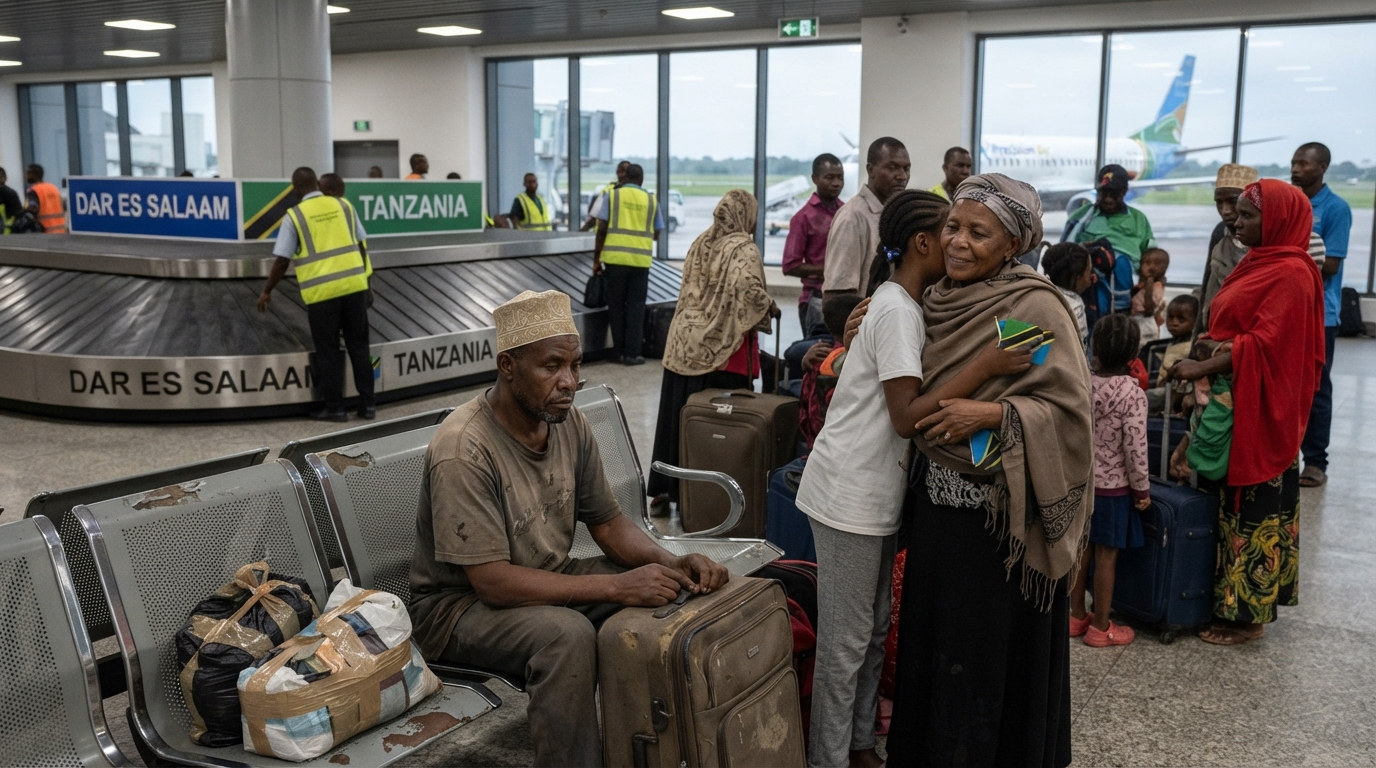
News of his concert cancellation coincided with the return of the first group of 173 Tanzanians from South Africa as part of a voluntary repatriation program. For some of these individuals, the flight home from Durban, a city that has witnessed some of the most significant protests, marks the end of decades spent in South Africa.
Abdul Idi, who moved to South Africa in 2006 with hopes of building a better life, expressed gratitude for his safe return after what he described as challenging and perilous circumstances in South Africa. "Foreigners are not wanted there," he stated upon his arrival at Dar es Salaam's international airport on Wednesday night.
Another returnee, Rashid Ramadhan, shared that he had lived in South Africa for 30 years. The 53-year-old recounted how he and others were forcibly evicted from their accommodation in Durban and had been living outdoors for the past two months, having lost their jobs and facing increasingly difficult living conditions.
According to an AFP news agency count, over 160,000 people have departed the country through similar repatriation schemes since May. Among those who have returned are Malawians, Zimbabweans, Zambians, Ghanaians, and Nigerians.
The anti-migrant group March and March has announced a second wave of nationwide protests scheduled for September 30. Earlier this month, the group urged leaders attending the Southern African Development Community (Sadc) summit in Durban to "fetch your people." March and March asserts that its September action will be larger and better organized than the demonstrations on June 30, which were accompanied by violence in some areas.
Those returning to their home countries from South Africa often require support, having abandoned their livelihoods and many of their possessions. However, Ghana's government has declined a donation of approximately $1.7 million (£1.25 million) from MTN Ghana, a subsidiary of the South African telecoms giant MTN Group, which was offered to support Ghanaians repatriated from South Africa. Ghana's foreign ministry stated that the government is committed to funding the evacuation and reintegration of its repatriated citizens.