

Lost $100 thousand in search of love: a new scam on dating apps
In a relationship that began through a dating app, a man scammed a woman out of nearly $100,000. Investigations revealed that millions of accounts linked to fraud have made contact with users on dating apps. Companies are now being demanded to step up measures to protect people from online scammers.
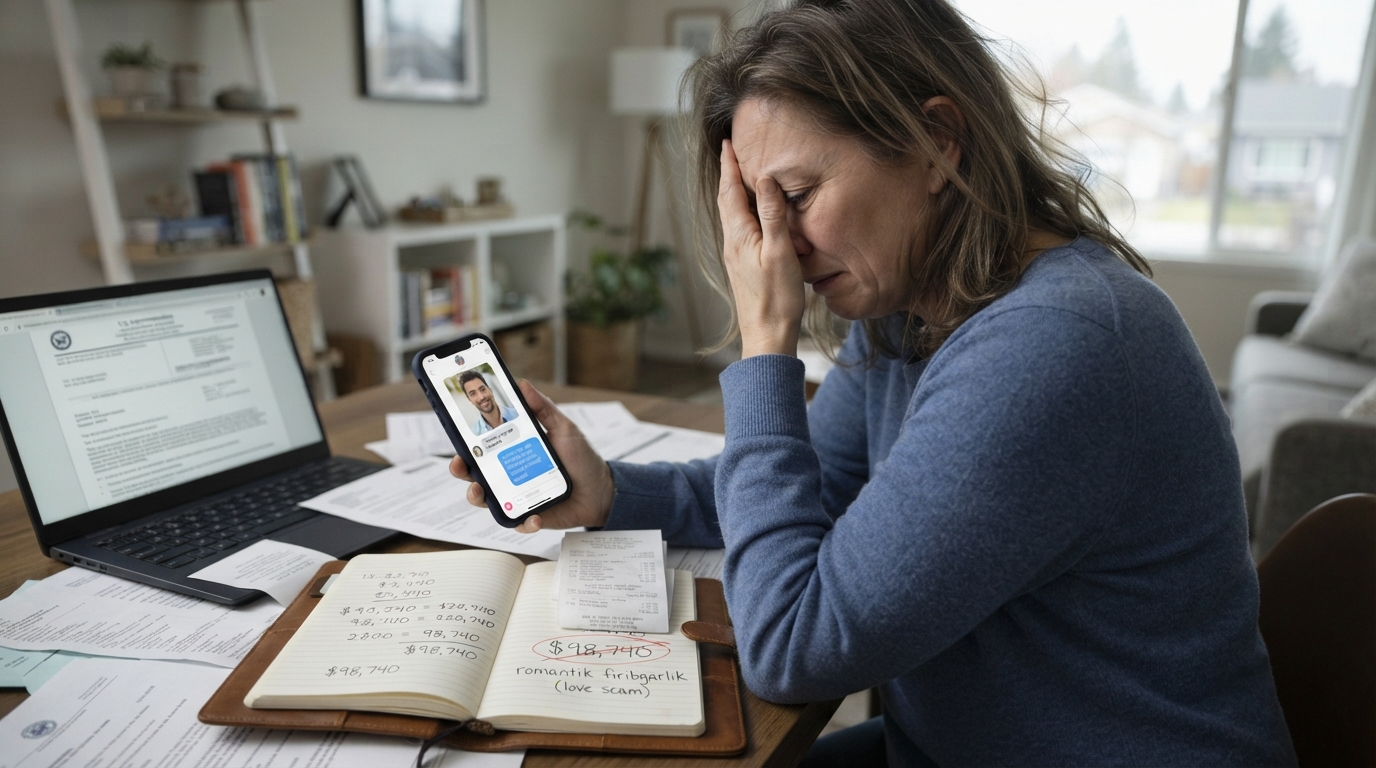
Lost $100 thousand looking for love: a new scam in dating apps
A US Congress report published in October 2026 examined instances of fraud on dating apps.
Congress called on Match Group and other companies to provide more assistance to victims of dating app scams. One victim, Mary, met a man on a dating app in 2024. She wanted to build a new relationship. However, this acquaintance ended in a romance scam that cost her nearly $100 thousand.
Mary, who asked that her last name not be disclosed, said that at first they talked a lot. Then the man began to constantly bother her, exert pressure, and repeatedly ask for money. Events unfolded very quickly. There are other victims on the apps who were deceived just like her.
A romance scam is a type of fraud where criminals establish relationships with victims in an attempt to obtain money or gifts from them. Senators stated that such crimes have become one of the most widespread forms of financial fraud in the US, costing Americans at least $1.3 billion a year.
The report, published on October 14, 2026, analyzed internal documents and data provided by Match Group. By the second half of 2025, dating apps had not updated most of the machine learning models they use to detect scammers and other violators for several years. As a result, the platform could not identify suspicious accounts as reliably as before.
Data provided by Match Group showed another situation: by the third quarter of 2025, nearly 1.5 million accounts belonging to scammers or other violators on the Tinder and Hinge platforms in the US matched—that is, established a connection—with at least one user. Nearly 500 thousand of these accounts also exchanged contact information with another user.
During her communication with the scammer, Mary tried to determine if he was a real person. According to her, the man was in constant contact and even knew where Mary lived. The man claimed that the money was needed for business-related expenses and urgent medical needs.