

Liberia agrees to accept 1,200 foreign deportees from the US
Liberia says the deal is a "humanitarian arrangement" and is receiving no compensation.
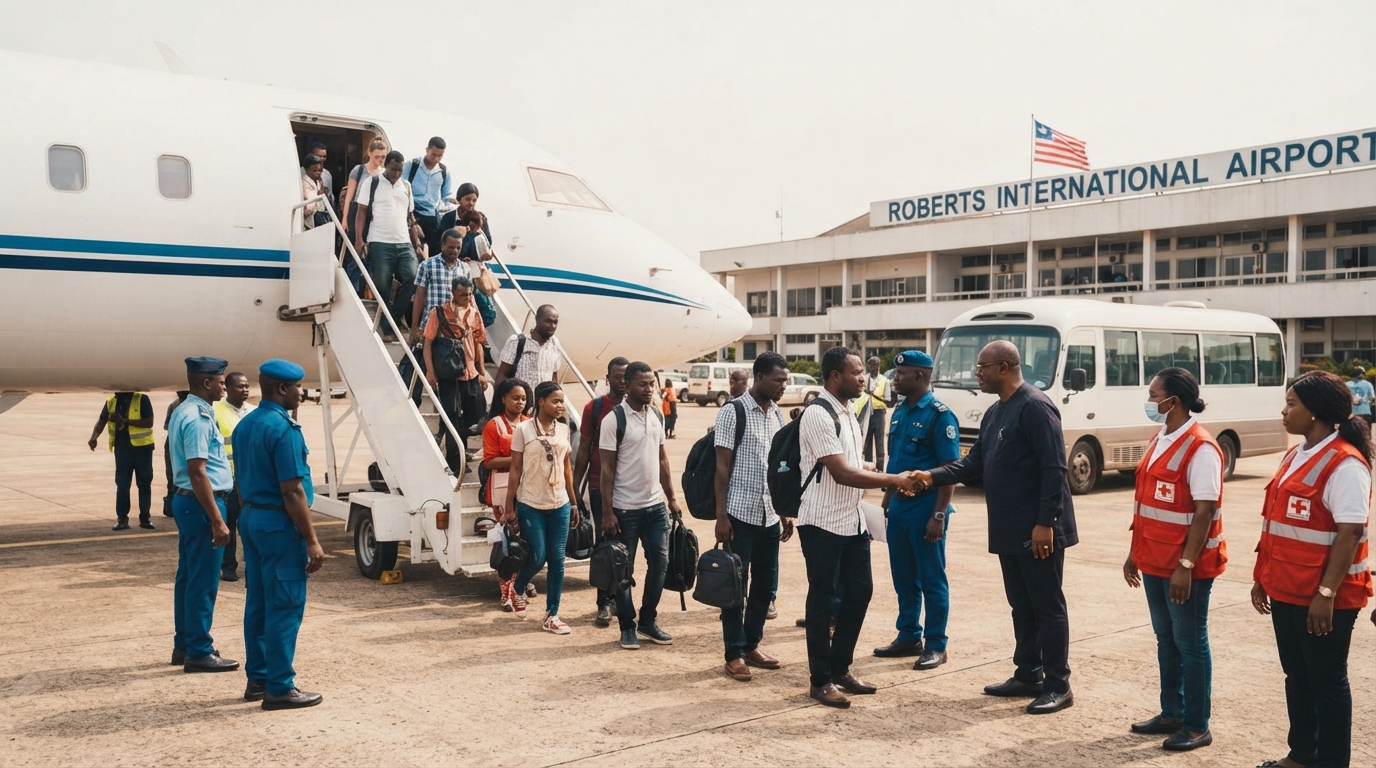
Liberia has reached an agreement to take in as many as 1,200 foreign nationals deported from the United States over the coming year. This arrangement represents one of the most substantial deals secured by Washington as it intensifies its efforts against irregular migration.
Historically, similar agreements with other nations have often involved individuals legally shielded from returning to their native countries, frequently due to risks like persecution. It remains unclear whether those slated for transfer to Liberia possess such protective orders.
"The government wishes to underscore that those arriving in Liberia are being welcomed as guests," stated Information Minister Jerolinmek Piah.
An initial cohort of 20 individuals is expected to arrive on Thursday. Piah indicated they would be free to depart at their discretion or could seek asylum. He further clarified that none of the deportees were criminals or facing legal action in either the US or Liberia.
The acceptance of these individuals aligns with "Liberia's enduring tradition of offering sanctuary to all those seeking refuge and protection from persecution, conflicts, and other forms of strife," the minister elaborated, emphasizing the humanitarian nature of the arrangement. The nationalities of the deportees have not been disclosed.
Since assuming office in January 2025, the administration of US President Donald Trump has deported numerous individuals to what are termed "third countries." Several African nations, including Ghana, Equatorial Guinea, Eswatini, the Democratic Republic of Congo, and Sierra Leone, have already entered into agreements to receive individuals whom the US cannot legally repatriate to their home countries.
The US has defended these third-country agreements as lawful, despite criticism from human rights organizations that label the arrangements as opaque and note that many deportees are ultimately sent back to their countries of origin. Ghana, for instance, has faced lawsuits alleging it coerced deportees from the US back to countries they had fled, thereby violating their rights.
On Tuesday, the Eswatini government confirmed that two individuals deported from the US to the southern African kingdom had voluntarily returned to their respective home countries: Mauritania and the Democratic Republic of Congo. Last year, Eswatini acknowledged receiving $5.1 million (£3.8 million) from the Trump administration, a move that drew significant criticism from rights groups.
Piah asserted that Liberia had "neither requested nor received any compensation or promise of rewards in exchange for its consent to participate in the program." He maintained that the initiative was "entirely humanitarian" but added that the West African nation would receive US support for managing the program and generally strengthening its migration system. The US State Department has not commented on the scheme.
Piah drew a parallel to Liberia's founding in the early 19th century as a settlement for former slaves and free black people from the United States and the Caribbean. "We have always welcomed people who cannot return to their home of origin, and to reject these third country nationals would be acting against our best interest," he remarked.