

Kazakhstan looks to boost U.S. cooperation in energy, minerals and digital technologies
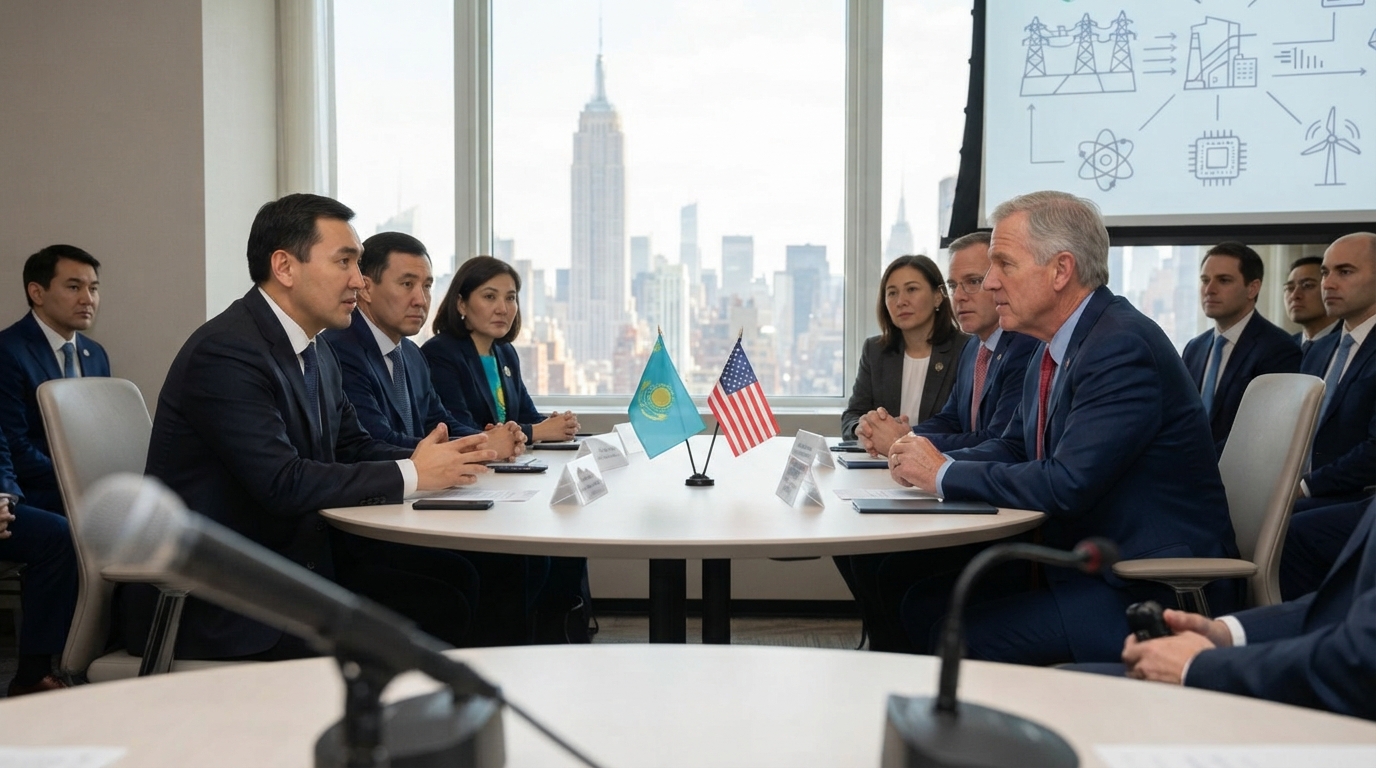
Kazakhstan seeks to deepen U.S. cooperation in energy, minerals and digital technologies
Kazakhstan is aiming to broaden cooperation with the United States in uranium, critical minerals, artificial intelligence and advanced technologies as part of efforts to reinforce bilateral economic ties and further integrate the country into global value chains.
Erzhan Kazykhan, Special Representative of the President of Kazakhstan, discussed these topics during a meeting with representatives of the U.S. expert and business communities in New York on September 21. The event was co-organized by the Embassy of Kazakhstan in the United States and the Atlantic Council as part of Kazykhan’s working visit to the country.
The talks centered on Kazakhstan’s political and economic transformation and the prospects for advancing the Enhanced Strategic Partnership between Kazakhstan and the United States. Kazykhan outlined Kazakhstan’s economic modernization priorities, including the development of transport and digital infrastructure and deeper involvement in global value chains.
Energy and critical minerals were among the areas identified for further bilateral cooperation. Kazykhan also spoke about opportunities for Kazakhstan and the United States to collaborate in artificial intelligence and advanced technologies. The development of the Middle Corridor was also discussed. Kazakhstan has been working to expand transport infrastructure and international connectivity, and Kazykhan presented further development of the route as one of the areas for potential cooperation with the United States.
Uranium cooperation drew particular attention during the meeting. Kazykhan noted that Kazakhstan is the world’s largest uranium producer and one of the suppliers of the resource to the U.S. market. According to the Special Representative, Kazakhstan is seeking to expand cooperation with the United States across the uranium value chain. The areas identified include extraction and processing, production of higher-value-added goods, technology transfer and industrial cooperation.
Kazykhan also addressed Kazakhstan’s domestic political reforms. He discussed institutional changes being implemented under President Kassym-Jomart Tokayev’s concept of a “Strong President – Influential Parliament – Accountable Government,” as well as provisions of the new Constitution adopted through a nationwide referendum.
The Special Representative also presented the Taza Kazakhstan initiative, which focuses on civic responsibility and environmental stewardship. The meeting ended with a question-and-answer session. Participants exchanged views on Kazakhstan-U.S. cooperation and regional issues.