

Iran launched a cyberattack on water systems in at least 12 US states — source
Iran has launched a cyberattack on water systems in at least 12 US states — source
At least 12 US states have been hit by cyberattacks on water systems. Officials believe that Iranian-backed hackers may have been behind the attacks, sources familiar with the situation told CBS News on August 5.
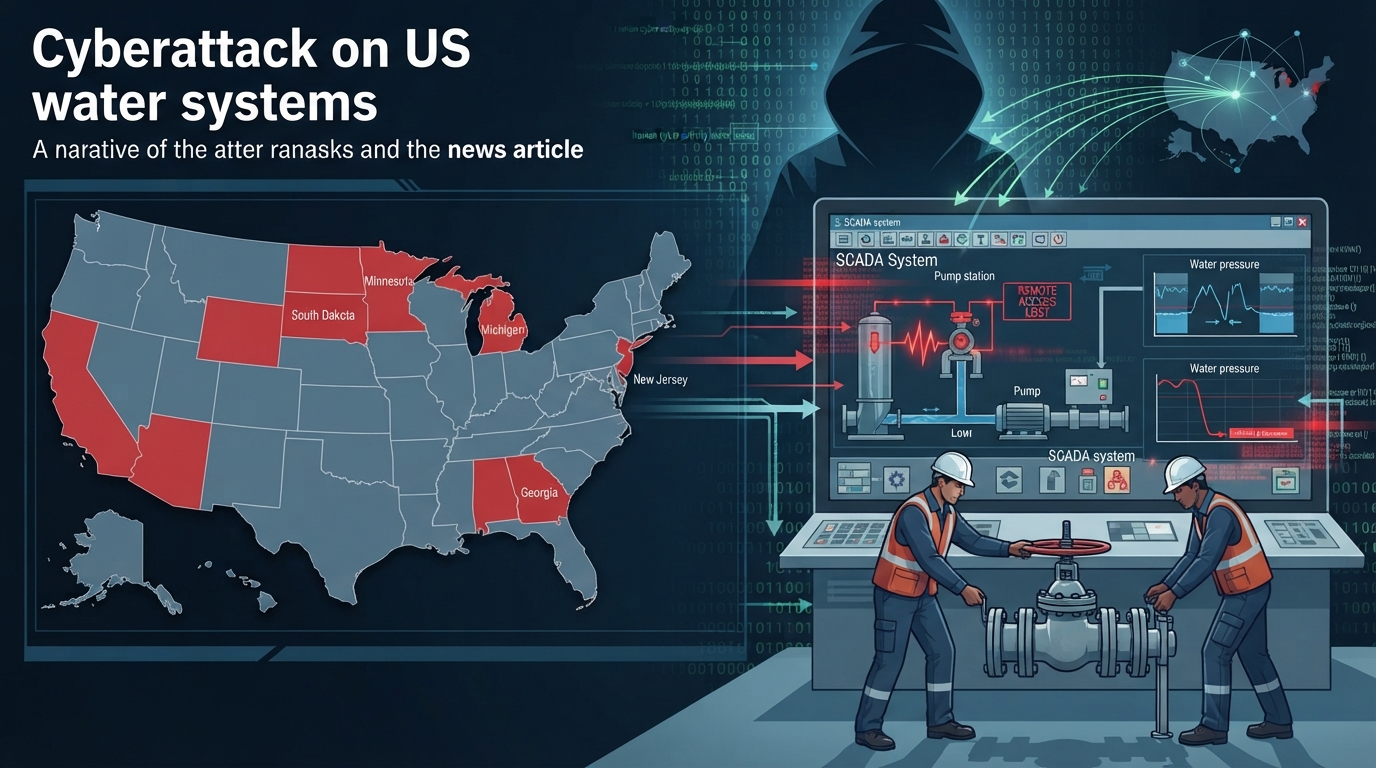
The states affected include Michigan, Minnesota, Georgia, New Jersey and South Dakota. In Minnesota, more than 30 local water systems were affected. In Georgia, the Clayton County Water Authority, which serves 300,000 customers in the Atlanta area, reported a drop in water pressure in July. As a result, residents were warned to boil their water. However, water supply was restored within hours.
Some utilities have lost the ability to remotely control them. That forced the system to be manually controlled. In several cases, hackers were able to remotely control pumps, valves and water pressure. Officials say the cyberattacks have not yet affected drinking water quality. The water remains safe.
On July 30, the FBI, the Environmental Protection Agency and the Cybersecurity and Infrastructure Security Agency issued a warning. It was reported that attackers had remotely accessed water and wastewater systems in at least seven states, causing them to lose control. Water utilities were advised to disconnect operating systems from the Internet, strengthen passwords and upgrade security systems.
Federal investigators suspect Iranian hackers were behind the attack. But no one has been formally charged. The above situation resembles the actions of the CyberAv3ngers group in 2023. The group, which is affiliated with Iran's Islamic Revolutionary Guard Corps, used standard passwords to hack into water system control panels. Earlier, it was reported that a major cyberattack had taken place in Liechtenstein, in which the data of 31,000 people was stolen.