

In Uzbekistan, liability for interference in the work of courts has been expanded
In Uzbekistan, the liability for interference in the work of a court has been clarified. Now, punishable actions will include not only pressure, but also unlawful influence that prevents a comprehensive, complete, and objective consideration of a case. Liability for contempt of court has been extended to the entire court building.
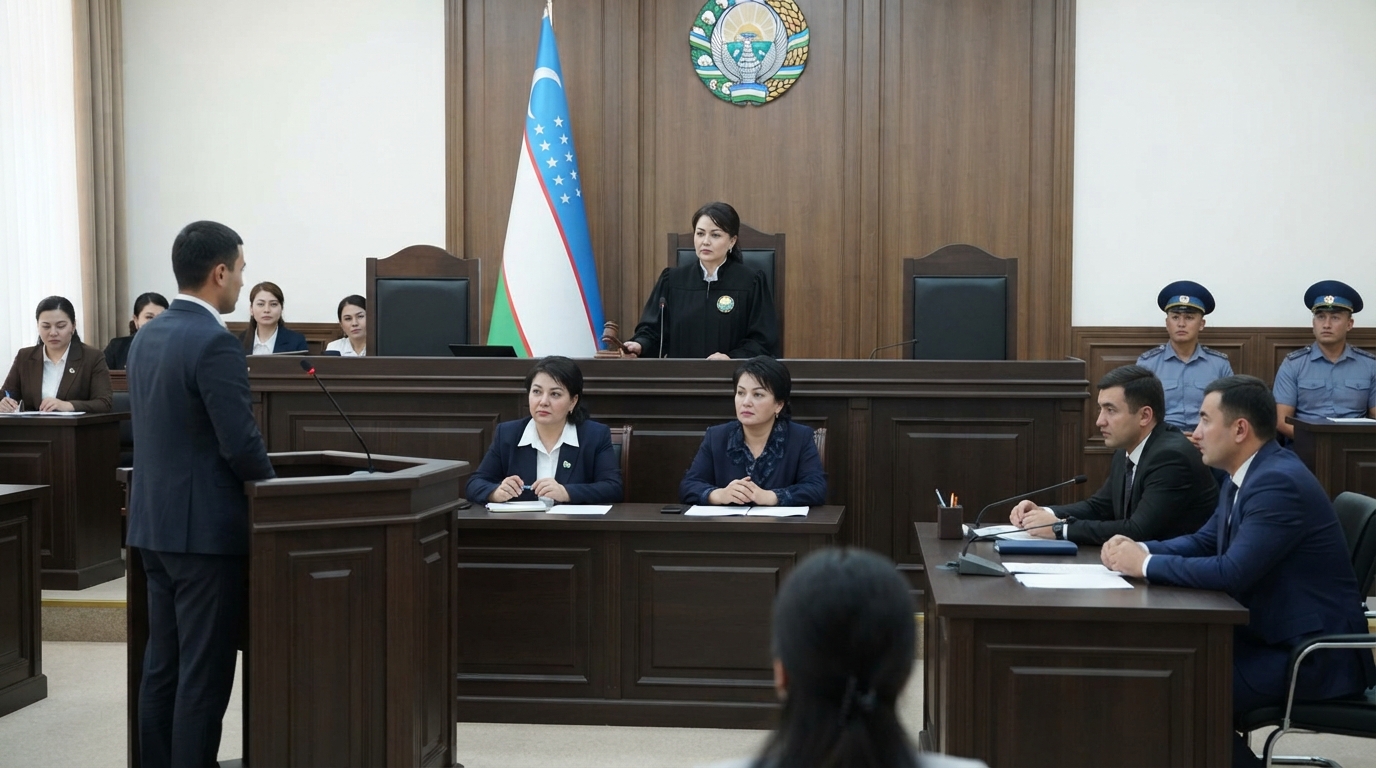
In Uzbekistan, liability for interference in court proceedings has been tightened
On September 11, President Shavkat Mirziyoyev signed a law clarifying criminal liability for interference in the investigation and consideration of court cases. The amendments also expand administrative liability for contempt of court.
The document was adopted by the Legislative Chamber on February 24 and approved by the Senate on May 19. It entered into force on September 12.
The key change is that Article 236 of the Criminal Code now separately regulates interference in investigations and in court. Liability for pressuring the court has been expanded: not only influence aimed at obtaining an unjust decision will be punishable, but also attempts to obstruct a comprehensive, full, and objective consideration of a case. In addition, protection has been extended to lay assessors. At the same time, the sanctions themselves remain the same.
For such interference, corrective labor for up to three years, restriction of freedom from one to three years, or imprisonment for up to three years are still prescribed.
If these actions are committed by an official, the punishment becomes more severe: restriction of freedom or imprisonment for a term of three to five years with deprivation of a certain right.
Changes have also been made to Article 180 of the Code of Administrative Responsibility.
While previously the provision on contempt of court concerned the violation of order during a court session, the words "or in the court building" have now been added to it.
Thus, administrative liability will also apply to violations of the established order directly in the court building, even if this occurs outside of a court session.
The law notes that the amendments are aimed at strengthening the independence of courts and the immunity of judges, as well as preventing any interference in their activities.