

I'm 27 and I've already written my will - here's why
For many young people making a will may not seem necessary, but here's why you shouldn't put it off.
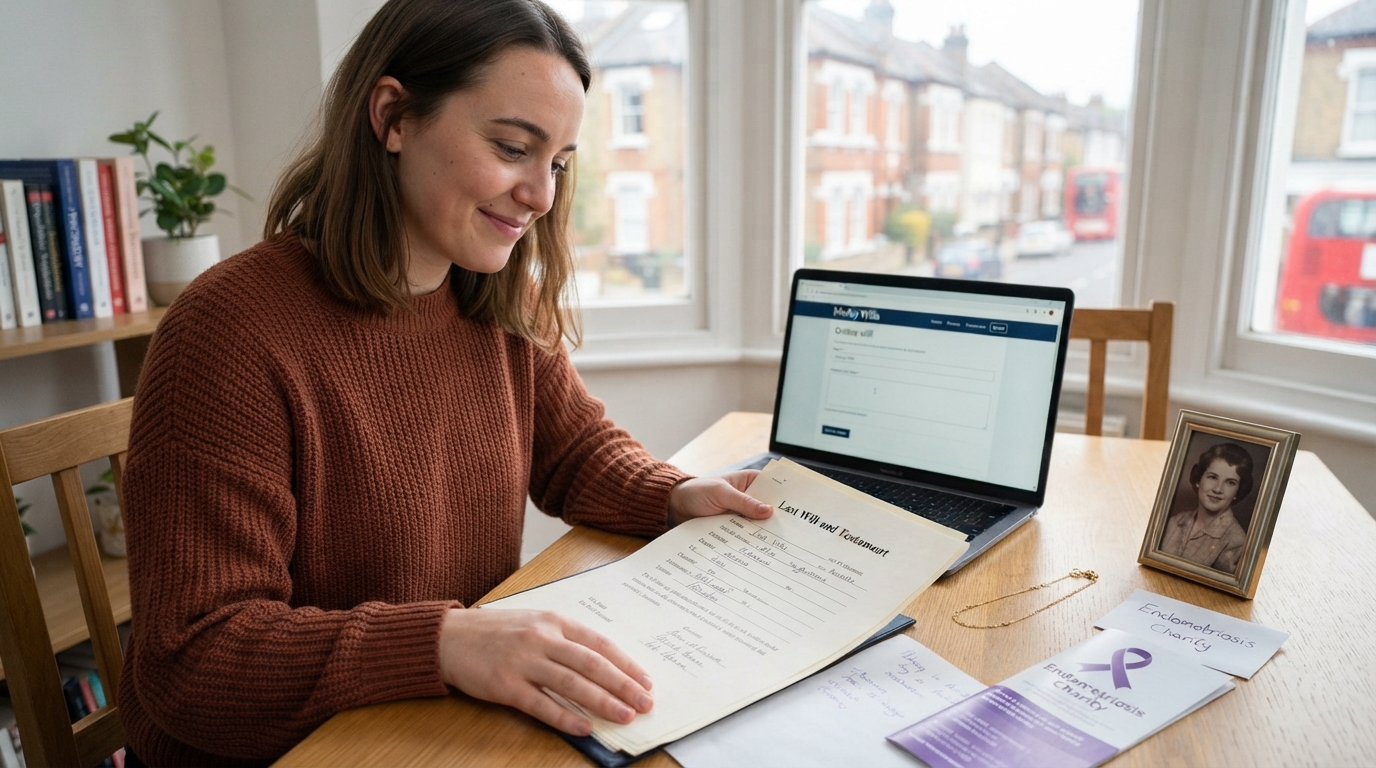
I'm 27 and I've already written my will - here's why
Writing a will is probably not high on the to-do list of most 27-year-olds.
But Erin Atkinson has already decided what should happen to her money and belongings when she dies.
"At first it felt quite surreal because you associate wills with older people," she says.
Erin works in psychological research at a London university and moved to the capital from Bristol four years ago. She now rents and, although she did not want to reveal her exact salary, does not consider herself especially wealthy. Even so, she has already chosen where some of her possessions should go.
Her £7,000 car will be left to her sister. A gold necklace given to her by her partner will go back to him. And she has asked for some of her money to be donated to a cause that means a great deal to her.
"One thing that's close to my heart is an endometriosis charity," she says.
"It felt really empowering that I could have that written down to say I want X amount donated."
For many young people, though, making a will may not feel essential, especially if they think they have little to leave behind.
The 2025 National Wills Report found that only one in five 18 to 24-year-olds has a will in place. That figure rises to 33% among 22 to 34-year-olds, compared with 56% of people aged over 55.
Sophia Maslin, founder of Morby, an app that lets people create wills online, says the belief that you need to own a lot before making a will is one of the biggest misconceptions she encounters.
"People believe they don't own enough. But actually, if you've got some sort of savings, investments, pensions, your social media accounts, if you've got pets, even funeral wishes, these are all things to think about," she says.
For Erin, the idea of making a will first came up when her friend bought a home.
Then she started seeing Maslin discussing wills on TikTok. Maslin had shared the story of her cousin, who died young without a will, and how difficult things became for her family.
Seeing that story made Erin think more seriously about making one herself, while the impact of her own grandmother's will on her family also played a part.
"My grandma passed and she had a will and it was very complex because we have quite a large family. Seeing the will written in a way that was very directive showed me you can take a lot of pressure off the family," she says.
The process also made Erin realise she had more financial assets than she had thought, including premium bonds.
Eleanor Hodgson from Crombie Wilkinson Solicitors says there can be practical reasons to make a will even if you do not have many assets.
"It's not just your assets that it helps because there's still someone that has to deal with your bank accounts and any debts you have, and it's [being] able to name a person that can legally deal with that without having to jump through hoops," she says.
Hodgson adds that the difficulties of not having a will can be hard to understand until the time comes.
Maslin says young people can be tempted to delay making a will, assuming it is something they will need later in life.
"The reality is that unexpected things happen at every stage of life," she says.
For Erin, some of the items in her will are more valuable to her emotionally than financially.
Her will also includes some of the smaller details she would want her family to know, from a poem she wants read at her funeral to the drink she would like served.
Thinking about those details did not feel morbid to her.
"For me, writing a will wasn't about expecting the worst. It was about taking responsibility and making life easier for the people I care about," she says.
Writing a will can seem intimidating and costly. But there are ways to have one drawn up for free or at a lower price.
For example, every November,
Once you have a solicitor, there are a few things to think about:
Choose your beneficiaries:
Decide who you want to leave your money and possessions to, whether that's family, friends or a charity. If you have children under 18, you can also name guardians for them.
Choose an executor:
This is the person who will make sure your wishes are carried out. It could be a trusted family member or a solicitor, but check whether they charge a fee.
Think about pets:
You can say who you would like to look after them after you die.
Leave funeral wishes:
You can include your preferences, such as whether you want to be buried or cremated, as well as music, readings or flowers.
Keep your will somewhere safe and make sure someone you trust knows where it is. If your will cannot be found, it can cause delays and may mean your wishes are not followed.