

I was spending £700 a month: How I beat my late-night shopping addiction
Younger generations are thought to be more susceptible to impulse spending. The BBC looks at ways to get it under control.
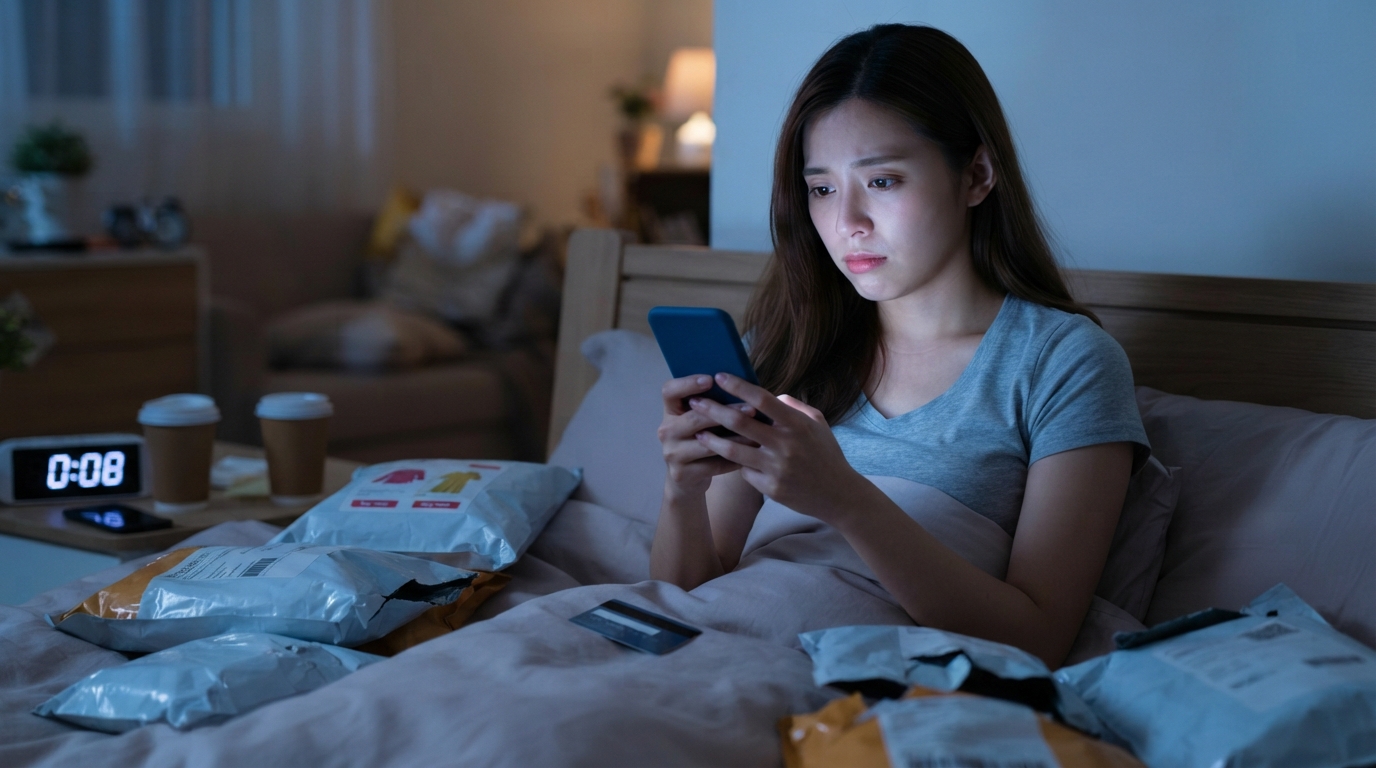
"I was spending £700 a month: How I beat my late-night shopping addiction"
Ella reports that she would spend her earnings "as soon as they hit my account."
It's a familiar scenario: late at night, you're scrolling on your phone, and an intense urge to buy something strikes, only for regret to set in the next morning. But what happens when these spontaneous purchases become a regular pattern instead of an isolated event?
This describes compulsive shopping, an uncontrollable urge to spend despite the financial repercussions, and younger women are particularly susceptible.
Ella Hewitt, a 24-year-old from Liverpool, revealed that her shopping addiction escalated to such an extent in 2021 that she was spending up to £700 monthly on fast fashion she couldn't afford and sometimes never even wore.
"I didn't grow up with much money, so when I got a job I would spend my wages as soon as they hit my account," she explained. "That dopamine hit kept me shopping and in the world of social media there is just so much encouragement to do that."
She noted that she frequently made purchases on TikTok or Instagram when she was "tired" or "bored," drawn in by the latest trends appearing on her feeds.
Ella expressed being "horrified" by the volume of her purchases.
At the time, she was working as an HR assistant in a school, and her spending habits prevented her from being able to move out of her family home. "Horrified" by the sheer amount she was buying, she started employing diversionary tactics to manage her spending.
One strategy involved adding desired items to a wish list and waiting 30 days. "If I still wanted it, I would buy it, but more often than not I'd find the urge had gone," she stated.
Ella also created an imaginary daily budget of £1,000 for hypothetical purchases, which "scratched the itch" of shopping without incurring any actual cost. Furthermore, she committed to only buying something if she could afford to "buy it three times."
"Overall, I cut my spending by about 60%," said Ella, who now works as an ethical fashion influencer and plans to launch her own clothing brand. "I'm not perfect. There are times when I will buy things because I want it. But I am way more in control."
Some individuals have deleted shopping apps from their phones to make spending more difficult.
The Ukat Group, which operates addiction treatment centers nationwide, has observed an increase in people with shopping addictions, with 90% of them being women.
The group identifies various indicators of a shopping addiction, such as an immediate improvement in mood after making a purchase, or subsequent feelings of guilt or shame. Other signs include lying to loved ones about spending habits or having a home "full of items you don't need or use."
**Tips to manage spending:**
* **Wait:** Allow 48 hours or more before purchasing something; often, the urge will subside.
* **Delete:** Remove saved credit card numbers and shopping apps.
* **Plan:** Create a shopping list before entering a store or visiting a website, and adhere to it.
* **Budget:** Set a small budget for guilt-free treats, or establish an imaginary one.
* **Unsubscribe:** Opt out of retailer newsletters and alerts, and unfollow influencers.
* **Utilize:** Finish existing products before buying new ones; accessorize instead of purchasing entirely new outfits.
**Identify your triggers:**
* If you shop when feeling lonely, bored, or stressed, try exercising or talking with a friend instead.
**Seek assistance:**
* Citizens Advice, Stepchange, Christians Against Poverty, and National Debtline all provide guidance on financial difficulties.
Sources: The United Nations Federal Credit Union, Christians Against Poverty
Dish Patel reported that her spending meant she was "always broke."
Dish Patel, 23, from London, recounted that as a student, she spent so much on clothes, food, make-up, and skincare that she "maxed out" her £2,500 overdraft and was "always broke." Similar to Ella, she believes she was compensating for not having much money during her childhood, but the joy was consistently fleeting.
"The feeling you get when you open your new parcels is always amazing until the dopamine hit dies down and the cycle repeats."
Dish, now a financial planner, admitted to buying "pretty much anything that was trending," but her primary indulgence was scrolling through shopping apps to pass the time.
To combat this, she deleted shopping apps like Asos and Pretty Little Thing from her phone and removed ApplePay to make one-click purchases more challenging. She even began leaving her bank cards at home when she went to work.
"I would bring a packed lunch in and I would buy my train ticket on Trainline the night before... This basically put me in a habit of not spending a single thing and pre-planning my day to ensure I don't spend anything."
She also committed that whenever she wanted to buy something, she had to deposit the equivalent amount into her savings or investments. "It worked because I didn't want to spend the money twice."
**What do you spend too much on?**
Research conducted last year by Vanquis, a challenger bank, revealed that Gen Z shoppers make more impulse purchases than any other age group.
Some experts suggest that exposure to social media, with its targeted advertising, influencer culture, and seamless one-click checkout, is fueling this trend.
Money and Mental Health, a charity, also attributes the issue to the design of online shopping sites for "minimising the friction around spending money." They highlight "pop-ups" that pressure customers to spend and the integration of alternative payment methods like Buy Now Pay Later.
The BBC has reached out to Meta, the parent company of Instagram, TikTok, and Asos, for comment.