

Hygiene poverty at tipping point, charity warns
The BBC hears people "you would not expect" can no longer afford items to be clean and healthy.
**Hygiene poverty at tipping point, charity warns**
Hygiene poverty is affecting people who previously felt financially secure, the BBC was told.
A charity has warned that more and more people are struggling to afford the items they need to feel clean and healthy.
Rosemary Ashworth, deputy chief executive of The Hygiene Bank, told BBC Radio Surrey that the “face” of hygiene poverty had changed and was now affecting people who previously felt financially secure.
“We’re at a bit of a tipping point so now feels like the time to do something about it,” she said.
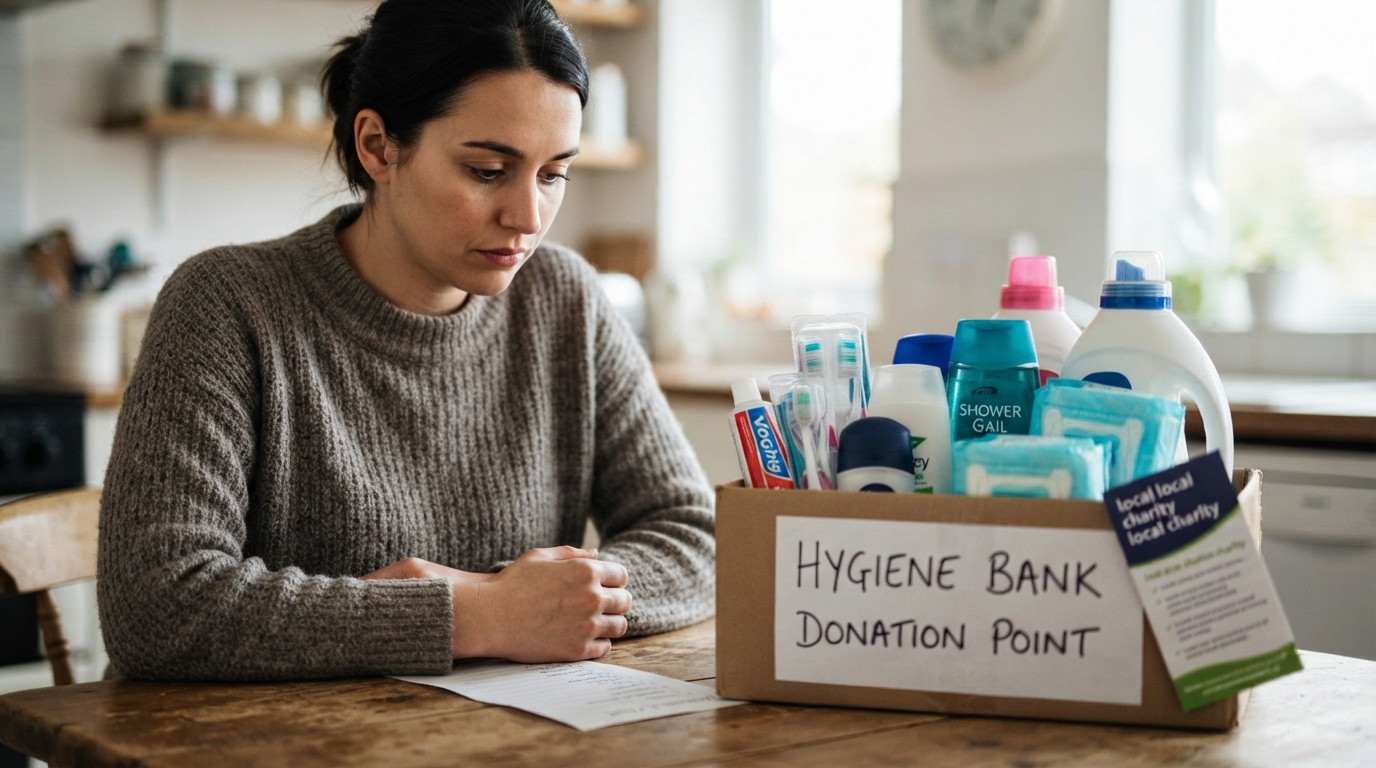
Janice Sedgwick, a volunteer at the charity’s Guildford branch, said the items people needed included “toothbrushes, toothpaste, shower gel, shampoo, sanitary pads and laundry detergent”.
She added that people were also finding it hard to get products to keep their homes clean.
A recent survey of 3,042 UK adults by The Hygiene Bank and In Kind Direct suggested that one in five (18%) had experienced hygiene poverty in the last six months, or someone in their household had.
The charities said two in five (41%) of those affected said they had experienced it for the first time this year.
Ashworth (pictured) said the number of people affected had risen significantly.
The Hygiene Bank said the issue “can create a vicious cycle, affecting health, confidence, education, work and social participation”.
Ashworth said, “It’s not people who [you] might necessarily expect experiencing it,” she said. “It’s working families. People who previously felt financially secure...
“It feels like a problem that is worsening.”
Tom May, from Guildford-based mental health charity Oakleaf, said a common problem was that women needed hygiene products on a “certain basis”, although shops were “pretty much empty by the end of the week”.
The Hygiene Bank is calling on people to donate essential products or money for National Hygiene Week, which ends on 11 October.