

Google announces the most popular emoji of the year
Google analyzed 665 million emojis entered by users around the world using the Gboard keyboard on Android smartphones to determine which emojis were the most popular in 2025.
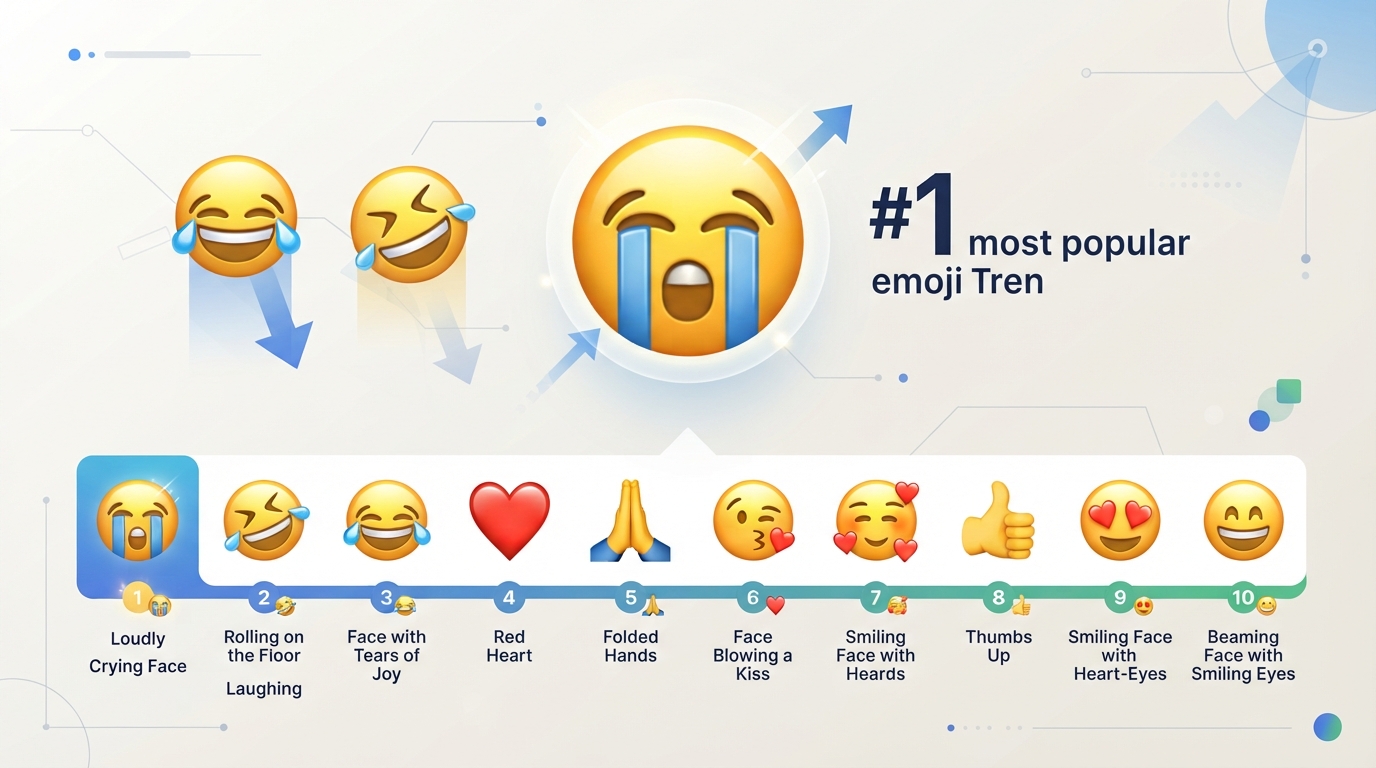
Google has announced the most popular emoji of the year.
The first place was taken by the "face with tears of joy" - 😭. This emoji left behind the previous leaders - "face with tears of joy" 😂 and "face with laughter" 🤣.
It is worth noting that the "face with tears of joy" emoji is not only used to express genuine sadness. In correspondence, this symbol can mean laughter, strong surprise, discomfort, pleasure or an excess of emotions. Google researchers attribute the popularity of this symbol to the habits of Zoomers - its use has increased by 37% in a year.
Teenagers and Zoomers are choosing the "face with tears of joy" and "face with laughter" less and less - for them these emojis have become too vulgar. Researchers attribute this change to the fact that young people are rediscovering the meaning of old emojis.
While older generations still find these symbols to be a familiar way to express genuine laughter, younger users prefer more dramatic or absurd options.
What else made the top ten?
* 😭 - a face with tears in its eyes;
* 🤣 - a face rolling with laughter;
* 😂 - a face laughing with tears of joy;
* ❤️ - a red heart;
* 🙏 - clasped hands;
* 😘 - a face blowing a kiss;
* 🥰 - a smiling face with hearts;
* 👍 - a thumbs up;
* 😍 - a face with heart eyes;
* 😁 - a face grinning with closed eyes.
Google says that the way we communicate using emojis is also changing: traditional characters are taking on new meanings, and old ones are gradually being replaced by ones that are better suited to modern internet culture.